Montenegro is under pressure to develop an innovative plan for managing animal by-products not intended for human consumption by December 31, 2025. The European Commission requires that, by May 1, 2026, local municipalities construct designated animal burial sites or incineration pits. Failure to comply may lead to the temporary closure of Chapter 12, which governs food safety, veterinary, and phytosanitary matters.
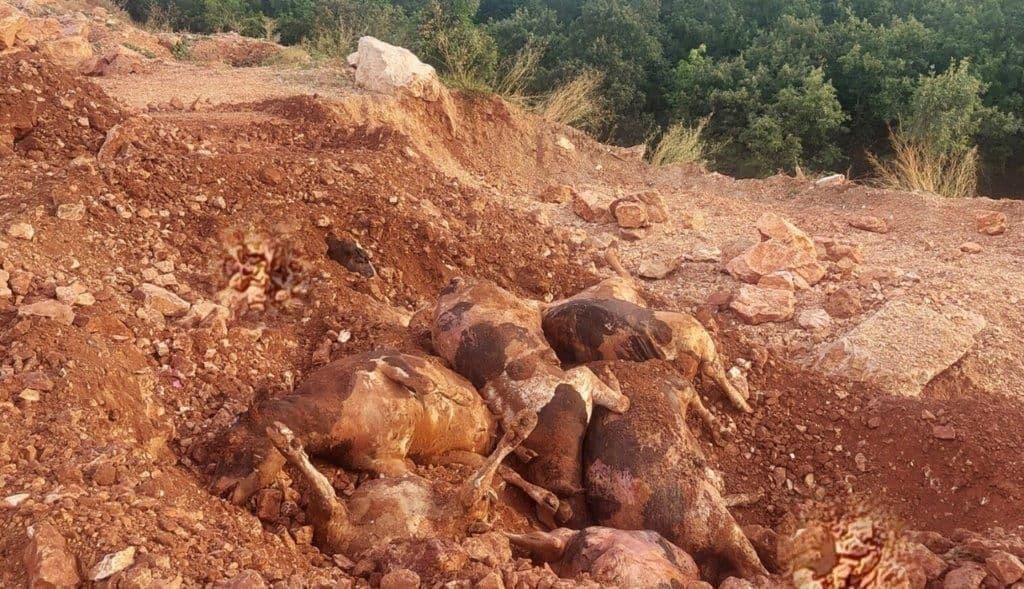
Animal by-products, which are generated in slaughterhouses, meat and dairy processing facilities, retail outlets due to expiry, restaurants, and farms, pose significant waste management challenges. The problem was evident last year when hundreds of cattle infected with the Q fever in Danilovgrad and Nikšić had to be euthanized. The municipalities lacked proper disposal locations, resulting in carcasses remaining on farms for extended periods.
In a statement, the Ministry of Agriculture, Forestry, and Water Management noted that Montenegro’s waste management practices are currently not fully compliant with European Union regulations. Waste from animal by-products is often not disposed of correctly; instead, municipal companies collect it and transfer it to city landfills in unspecified and unmarked areas, which creates serious risks, especially during outbreaks of zoonotic diseases.
The first step towards addressing this issue occurred in 2018 when Montenegro adopted a plan for managing animal by-products not intended for human consumption. An accompanying action plan was developed, and from February 2020 to July 2021, technical assistance was provided under the MIDAS 2 project. This assistance confirmed the need for a facility with an annual capacity of between 8,000 and 10,000 tons to ensure collection and disposal methods meet EU standards. The total estimated cost for this initiative is approximately $6.9 million, which includes the design, environmental impact studies, and construction oversight.
Additionally, the project will involve two collection centers in Nikšić and Podgorica, along with the procurement of vehicles and equipment, costing around €3 million. Funding for these projects has been secured through a loan from the World Bank, which extended the MIDAS 2 project timeline to the end of June 2025 to allow for construction.
Challenges in project implementation arose due to the absence of a designated site for building the facility. In December 2021, the government announced plans to establish the facility at Čelinska Kosa in Bijelo Polje by the end of 2024 as part of a regional solid waste management center. However, in January 2022, residents of the Ravna Rijeka area requested a review of the proposed location, contributing to uncertainty regarding the project’s timeline.
As the MIDAS 2 project faces delays, the Ministry of Agriculture reached out to nine municipalities—Podgorica, Nikšić, Danilovgrad, Tuzi, Kolašin, Mojkovac, Berane, Pljevlja, and Bijelo Polje—seeking assistance in identifying alternative locations. Nikšić responded positively, and in March 2024, the municipal assembly transferred management rights over land in the Industrial Zone of Gračanica to the state, enabling progress on the environmental impact study and project documentation.
Despite this advancement, further complications arose when residents of Ozrinici, Bršno, Laz, and Gvozdenice expressed opposition to the construction of the facility on their territory. They threatened to take radical measures if their concerns were not addressed.
The Ministry emphasized the need for municipalities to establish local animal burial sites as a temporary solution while awaiting the facility’s completion. According to the Veterinary Law, local governments are responsible for designating spaces for these burial sites, a requirement that has yet to be fulfilled. The Ministry urged that these sites must comply with hygiene and veterinary health regulations and will be registered with the Food Safety, Veterinary, and Phytosanitary Directorate upon construction.
As Montenegro approaches critical deadlines, the government faces significant challenges in managing animal waste effectively while ensuring compliance with European standards.