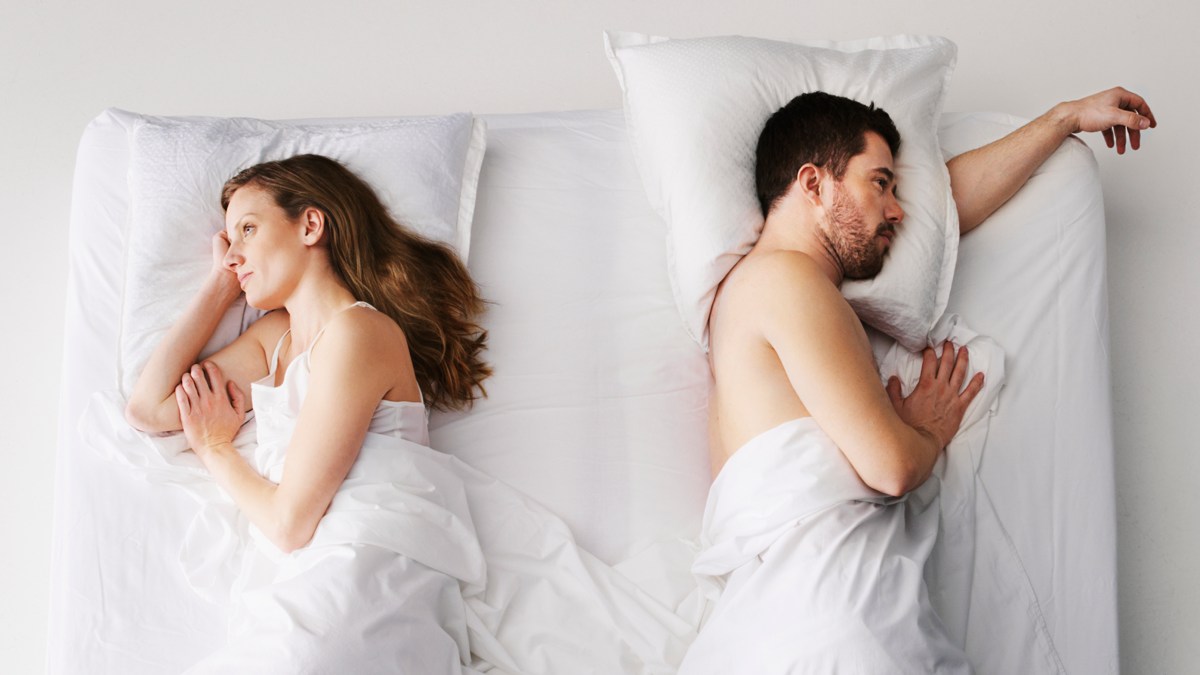
A recent survey from Taiwan has highlighted the potential downsides of what is often referred to as “sleep divorce.” The study found that couples who sleep in separate rooms reported greater emotional dissatisfaction compared to those who endure the challenges of sharing a bed. This includes dealing with snoring, duvet theft, and nighttime disturbances. The findings suggest that the benefits of improved sleep quality may not outweigh the emotional costs associated with sleeping apart.
The survey reveals that approximately one in six couples in the UK now sleep separately, a trend that has gained traction in recent years. Advocates for sleep divorce argue that it can lead to better rest and improved individual well-being, suggesting that “familiarity breeds contempt” in close quarters. However, these claims are now being scrutinized in light of the new evidence from Taiwan.
According to the survey, couples who prioritize emotional intimacy and shared experiences tend to report higher levels of satisfaction in their relationships. The study indicates that while sleeping apart may offer short-term benefits, such as enhanced sleep quality for some individuals, it can lead to long-term consequences that affect overall relationship happiness.
Implications of Sleeping Apart
The concept of sleep divorce raises questions about the living arrangements of couples, particularly in densely populated regions like Taiwan. The assumption that couples have the luxury of separate bedrooms is not universally applicable. In many cases, choosing to sleep apart may result in one partner retreating to a sofa, a child’s room, or even a makeshift sleeping space. This scenario can exacerbate feelings of isolation and emotional disconnect.
Critics of the sleep divorce trend emphasize that emotional support and shared experiences are vital for maintaining a healthy relationship. This viewpoint challenges the narrative that sleeping separately is a sign of modernity or individualism, suggesting instead that it may undermine the foundational aspects of partnership that promote long-term happiness.
As the survey findings circulate, they may shift perceptions about the benefits of sleeping apart. Couples considering this option might weigh the immediate advantages against potential emotional drawbacks. While some may find relief in separate sleeping arrangements, the consensus from the Taiwanese study suggests that the emotional costs could be significant.
In conclusion, the growing trend of sleep divorce should be approached with caution. Couples are encouraged to evaluate their sleeping arrangements carefully, considering both their individual needs and the emotional health of their partnership. The Taiwanese survey serves as a reminder that, while personal comfort is important, the dynamics of shared living spaces can have profound implications for relationship quality.