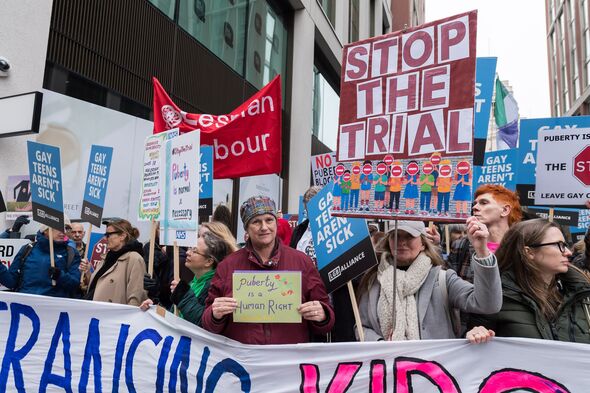
The UK government has suspended a clinical trial involving puberty blockers for transgender children, a decision announced by Health Secretary Wes Streeting. The PATHWAYS clinical trial aimed to recruit 226 children aged between 10 and almost 16, but this recruitment has now been halted due to safety concerns.
The Medicines and Healthcare products Regulatory Agency (MHRA) stated that such pauses are part of their standard procedure for reviewing clinical trials and maintaining ongoing discussions with trial sponsors. The agency emphasized that the safety and well-being of potential participants in the trial is their top priority, particularly given the young age of the children involved.
The trial has faced significant criticism from various public figures, including author JK Rowling, who has initiated legal action against the government. She described the trial as “an unethical experiment on children who can’t give meaningful consent.” Additionally, the Commission on Human Medicines has raised concerns, declaring that puberty blockers present “an unacceptable safety risk.” Following these developments, Mr. Streeting announced an indefinite ban on the use of these drugs in the trial.
Background and Response to Concerns
Originally spearheaded by King’s College London, the trial was initiated based on recommendations from the Cass Review, which assessed children’s gender care. A spokesperson for King’s College stressed that the health and well-being of young individuals experiencing gender incongruence is central to their mission, stating, “We will continue to work with the MHRA to support their further review of the trial, designed with scientific rigor at its core.”
The MHRA has reaffirmed its commitment to a cautious and thorough review process, relying on the best available scientific evidence to ensure the safety of participants in clinical trials.
Maya Forstater, the chief executive of the sex-based rights charity Sex Matters, expressed relief at the MHRA’s decision. She stated, “This badly designed experiment would have harmed vulnerable children in the misguided effort to ‘research’ a treatment already known to offer no benefits and carry serious risks.” Forstater highlighted the need for accountability and leadership in the approval process of such trials, advocating for a focus on studying outcomes for the approximately 2,000 young people who have already received puberty blockers.
The suspension of the PATHWAYS trial raises important questions about the future of gender-affirming treatments for young people, as stakeholders await further decisions from the MHRA and the UK government. The ongoing debate surrounding the ethics and efficacy of puberty blockers continues to spark widespread discussion among medical professionals, parents, and advocacy groups.