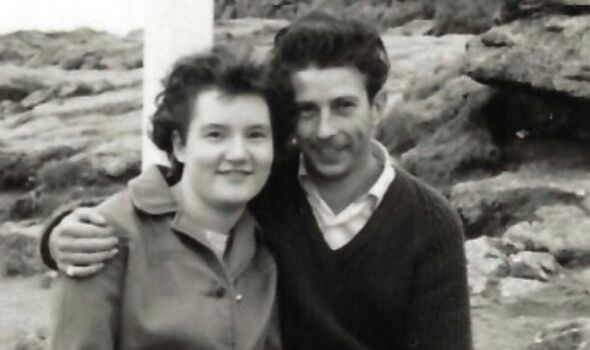
A woman from Somerset has shared her experience of saving £5,000 by choosing a direct cremation for her late husband. Monica Hayden, 80, lost her husband, David Hayden, 86, in April 2023. David had expressed a desire for a straightforward cremation, which allowed the family to hold a more intimate and cost-effective memorial service.
Instead of a traditional funeral, which can be financially burdensome, the Haydens opted for a service at their local church followed by a gathering of friends and family. This arrangement cost approximately £2,000 and focused on celebrating David’s life, remembered fondly for his role in the community, including coaching the local youth football team.
Reflecting on the decision, Mrs. Hayden described the service as “lovely,” noting that it provided an opportunity for close friends and family to honor her husband’s memory in a meaningful way. “It was all just a service to celebrate the life that he’d led, all his life,” she said.
After witnessing the simplicity and affordability of the process, Mrs. Hayden decided to choose a direct cremation for herself. Previously, she had arranged a traditional funeral plan costing £6,700. After contacting the funeral firm to request a refund, she successfully received £5,000 back.
The trend towards direct cremation is gaining traction in the UK, as families seek more affordable options amid rising funeral costs. Mrs. Hayden noted that many of her friends have also opted for direct cremations, highlighting a shift in attitudes towards traditional funeral services. “I just don’t see what warrants all that thousands and thousands of pounds,” she stated.
The financial burden of traditional funerals is underscored by data from Pure Cremation, which shows that the average burial funeral costs £6,065, while the average cremation costs £4,232. The disparity in costs has prompted families to consider alternatives.
According to Ian Atkinson, marketing director at Pure Cremation, many families find themselves facing unexpected expenses. “Funeral directors will put a price range next to some items, and there will often be a list of extras,” he explained. This lack of transparency can leave grieving families vulnerable to unforeseen costs.
The financial strain associated with funerals is further reflected in a report by SunLife, which states that the cost of a traditional attended funeral jumped 5.3% to £4,510 last year. As a result, some families have turned to crowdfunding or loans to cover these expenses.
The prevalence of direct cremation is likely to continue growing as more families seek to reduce the financial burden associated with funerals. Mrs. Hayden’s experience illustrates not only a personal journey of grief but also a broader shift in societal attitudes towards death and the costs associated with it.
As she remembers her husband, Mrs. Hayden emphasizes the importance of celebrating a life well-lived rather than adhering to costly traditions. “David was the most lovely, gentle, kind person,” she said, recalling the overwhelming support she received from the community in the form of over one hundred condolence cards. “You could tell during the celebration of his life, how much he was loved.”
This change in approach to funerals reflects a growing recognition that meaningful farewells do not necessarily require substantial financial outlays, but rather focus on the connections and memories shared by loved ones.