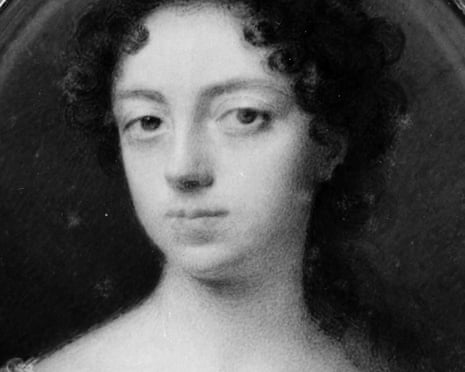
Anne Finch, Countess of Winchilsea, offers a spirited defense of female poets in her work, “The Apology.” This poem, crafted in heroic couplets, confronts societal expectations while celebrating the creative spirit of women. By juxtaposing her own experiences with those of other women, Finch effectively argues for the validity of her poetic pursuits.
The poem begins with the self-reflective line, “’Tis true, I write,” which sets the tone for Finch’s exploration of her right to engage in poetry. She questions the stigma surrounding women who write, pointing out that while society often ridicules female writers, it accepts other forms of artistic expression from women. Finch’s use of playful irony highlights a fundamental issue: why is it deemed acceptable for women to engage in superficial pursuits, such as “painting” their faces, while their intellectual endeavors are dismissed?
Finch cleverly introduces two characters, Myra and Lamia, to emphasize her point. Myra represents the frivolous woman who focuses on appearances, while Lamia seeks inspiration from alcohol. These figures contrast sharply with Finch’s own dedication to poetry, illustrating the narrow confines of societal expectations for women. She writes, “Why should it be in me a thing so vain / To heat with poetry my colder brain?” Here, Finch underscores her commitment to the craft, despite societal pressures.
Exploring the Role of Women in Poetry
The second stanza introduces Flavia, who has been identified as Finch’s close friend, Catherine Fleming. Finch employs Flavia’s example to bolster her argument for continued writing, even in the face of criticism. Flavia’s presence serves as a reminder that women can confidently embrace their age and experiences, defying youthful ridicule. Finch’s lighthearted jab at the acceptance of women in their forties reflects a shared understanding between friends, as she notes, “Does Flavia cease now at her fortieth year / In every place to let that face be seen?”
The poem navigates the delicate balance women writers must maintain between humility and ambition. While Finch exhibits a degree of self-deprecation, she also asserts her right to pursue poetry. Her acknowledgment of a “failed career” does not diminish her talent but rather reflects the challenges women faced in a male-dominated literary world. Despite her struggles, Finch found support from her husband, Heneage Finch, which likely encouraged her writing.
Finch’s work, including her 1701 Pindaric ode, “The Spleen,” and a collection published in 1713, showcases her versatility as a poet. While she did not receive the recognition she deserved during her lifetime, her poetry has been revisited in modern times, revealing its depth and complexity.
A Defiant Conclusion
In the concluding quatrain of “The Apology,” Finch delivers a powerful critique of male poets, asserting that the imperfections resulting from humanity’s “first breach with Heaven” affect all writers, regardless of gender. She notes that there is often “less to be applauded than forgiven” in the works of her male counterparts. This bold statement not only defends her craft but also critiques the literary establishment that often overlooks women’s contributions.
The poem’s exploration of creativity, gender, and societal expectations resonates with contemporary discussions about women’s roles in literature. Finch’s ability to blend humor with serious commentary speaks to her skill as a poet and her understanding of the challenges women face in artistic pursuits.
“The Apology,” believed to be an early work from the Folger Manuscript of 1702, remains a significant piece in the landscape of female poetry. By addressing the struggles of women writers with wit and insight, Finch has carved a lasting legacy that continues to inspire and provoke thought today.