The chair of the BBC, Samir Shah, has publicly apologized for what he described as an “error of judgment” regarding the editing of a speech by former U.S. President Donald Trump, which aired on the current affairs program, Panorama. The edited segment misrepresented Trump’s remarks from January 6, 2021, leading to more than 500 complaints following its broadcast. Shah acknowledged that the editing made it appear as though Trump had issued a “direct call for violent action” during the Capitol Hill riots.
In a letter addressed to the Culture, Media and Sport Committee on November 10, 2025, Shah expressed regret over the incident, stating he was considering reaching out to Trump directly to convey his apologies. When asked whether he anticipated legal action from the former president, Shah responded, “I don’t know that yet.”
The controversy escalated when Trump criticized the BBC as “corrupt” and directed his ire towards outgoing director general Tim Davie, who resigned amid the scandal. In a notable response, Downing Street defended the BBC, emphasizing its critical role in combating disinformation. A spokesperson stated, “The BBC has a vital role in an age of disinformation… and that case is stronger than ever.”
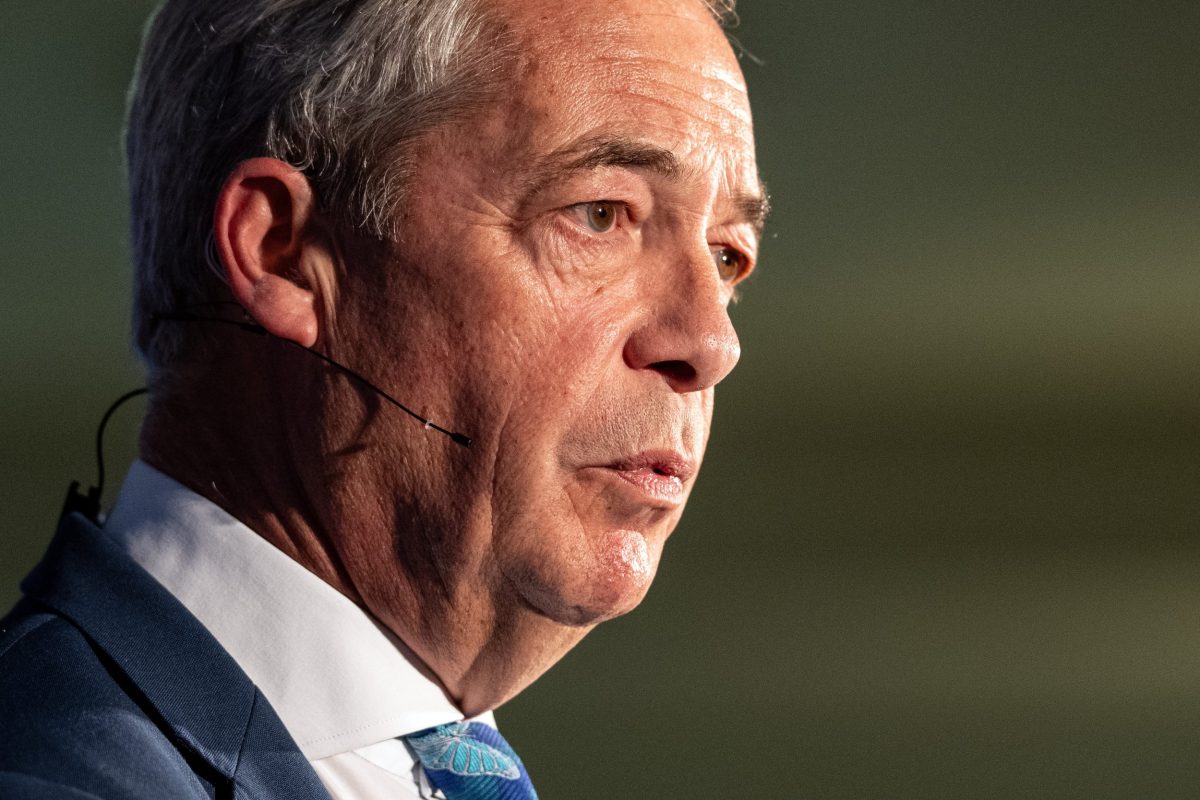
Nigel Farage, leader of the Reform Party, entered the fray, suggesting that the BBC would have “no future” unless it reverted to “straight news.” He called for a restructured license fee model, indicating that the current system is unsustainable. Farage claimed he had spoken to Trump, who expressed his “anger” regarding the situation.
In the aftermath of the resignations of Davie and Deborah Turness, the BBC’s head of news, there have been allegations of “institutional bias” within the organization. Despite the controversy, Turness defended the integrity of BBC journalists, insisting they strive for impartiality and that the BBC remains the “world’s most trusted news provider.”
As the fallout continues, BBC presenter Nick Robinson criticized the board’s handling of the situation, describing it as “paralyzed” and highlighting the lack of clarity from leadership about what went wrong. He noted that during the initial broadcast of the Panorama segment, there were no complaints regarding the editing of Trump’s speech.
The editing blunder involved splicing two segments of Trump’s speech that were delivered at different times, creating a misleading impression of his comments. The edited version presented Trump telling supporters he would “fight like hell,” while the full context revealed he advocated for them to “peacefully and patriotically make your voices heard.”
The issue gained traction following the release of a memo by former BBC advisor Michael Prescott, which alleged that the edited version misled viewers. This document fueled the perception of bias and led to demands for accountability from various political figures, including former Prime Minister Boris Johnson, who threatened to withhold his license fee if Davie did not address the matter.
In light of the growing criticism, Shah stated that the BBC needed to act swiftly to restore public trust. He indicated that the ongoing controversy had reached a level that was damaging to the institution, which he described as one he deeply cares for.
As discussions about the future of the BBC unfold, it remains clear that the organization faces significant challenges in maintaining its credibility and public support. The board’s delayed response and failure to adequately address the editing controversy have sparked concerns about governance and accountability within the BBC.
The resignations of Davie and Turness mark a tumultuous period for the BBC, with critics calling for substantial reform. As the institution navigates this crisis, the need for transparency and a commitment to impartiality has never been more critical.