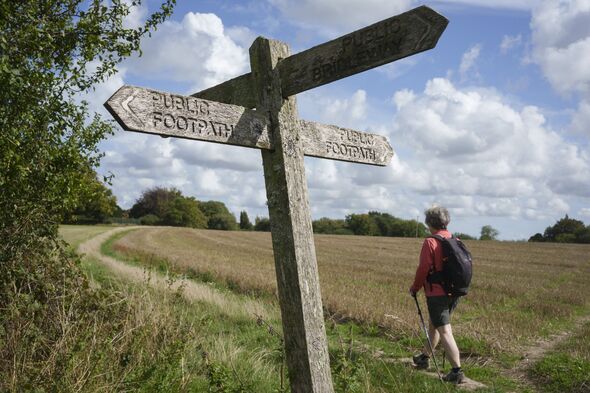
A recent report from the Department for Environment, Food and Rural Affairs (DEFRA) has ignited a heated debate over the perception of the countryside in Great Britain. The report suggests that the countryside is “too white” and calls for changes to promote greater ethnic diversity among visitors. This claim has drawn criticism, with some labeling it as an example of excessive “wokeness.”
The DEFRA report is not the first instance of such claims. A previous report from the Welsh Government suggested that outdoor spaces should be made more welcoming to Muslims, citing concerns about the presence of dogs as a barrier. Critics argue that such assertions reflect a misguided understanding of cultural dynamics in rural areas.
Many observers are questioning the seriousness behind these reports. They contend that the proposals sound absurd and reflect a disconnect from everyday realities. Critics have drawn parallels to other controversial ideas circulating within discussions of social justice, asserting that these notions are not only impractical but also indicative of a broader trend in what they perceive as “woke” ideology.
The notion that the countryside is inherently racist and that cultural practices should be adjusted to accommodate specific groups has sparked outrage among those who view it as an attack on traditional values. This sentiment is echoed in discussions around other contentious topics, such as the idea of revising educational materials to align with modern interpretations of social issues.
Despite the backlash, some see a silver lining in the controversy. They argue that the extreme nature of these claims could signal a turning point in the public’s perception of “woke” culture. As more individuals express skepticism toward such assertions, it may lead to a decline in what critics describe as an overly aggressive approach to social justice.
Financial Implications and Accountability
The financial aspects of these reports are also under scrutiny. The DEFRA initiative, titled “Improving the ethnic diversity of visitors to England’s protected landscapes,” has reportedly cost taxpayers over £100,000. Critics are calling for greater accountability regarding government spending, particularly on initiatives that appear to prioritize ideological concerns over practical matters.
Advocates for fiscal responsibility argue that government resources should be allocated to issues with direct benefits to the public. They emphasize the need for citizens to be vigilant in holding elected officials accountable for the decisions that impact taxpayer money.
As the discussion surrounding the countryside and cultural representation evolves, it remains essential to balance the pursuit of diversity with the appreciation of existing traditions and values. The dialogue reflects a broader societal debate about the role of cultural sensitivity in public spaces and how best to address the complexities of modern life.
While the debate continues, what remains clear is that the intersection of culture, politics, and public policy will be a focal point for future discussions. As communities navigate this landscape, the outcome will likely influence how both urban and rural areas define their identities in the years to come.