The Conservative Party is bracing for significant challenges as it approaches critical elections in May 2026. Party members are aware that the upcoming local elections could determine not only the future leadership of the party but also its very existence. Three pivotal tests lie ahead: the local elections, internal leadership dynamics, and the potential for a pact with the Reform Party.
Local elections scheduled for May are expected to be particularly damaging for the Conservatives. Many observers anticipate a substantial loss of seats, with the Liberal Democrats, led by Ed Davey, poised to capture a significant share of the middle England vote. Additionally, the Reform Party is likely to further dilute traditional Tory support in key constituencies. One Conservative MP expressed concern, predicting a “wipeout” in their area, which has historically been a stronghold for the party. This anticipated outcome raises alarms, as local councillors are vital for grassroots campaigning and voter engagement during general elections.
The impact of losing local councillors cannot be overstated. These officials serve as the backbone of the party, actively engaging with constituents and mobilizing support. A significant reduction in their ranks could weaken the party’s ability to operate effectively, particularly during elections. Furthermore, the loss may lead to panic among MPs, potentially resulting in calls for leadership changes.
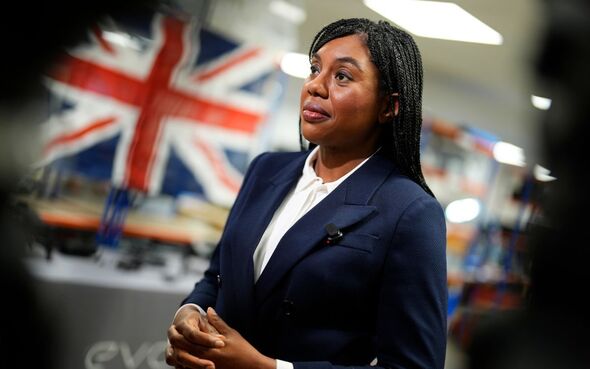
The second critical test involves the party’s leadership under Kemi Badenoch. Following the anticipated poor performance in May, there may be increasing pressure on her position. This situation echoes the turmoil experienced during the leadership transitions of former Prime Ministers Boris Johnson, Liz Truss, and Rishi Sunak. History shows that voters have little patience for leadership upheaval.
Despite the challenges, Badenoch is presenting a coherent Conservative vision focusing on a smaller state and free-market principles. This approach contrasts sharply with the Labour Party’s high-tax, high-spend policies, and positions the Conservatives as champions of personal responsibility. Should the party choose to replace her after a poor showing in local elections, it would likely be viewed as a grave miscalculation.
The final test revolves around the contentious idea of a Conservative-Reform alliance. Discussions about a potential pact have divided party members. While some argue that collaboration may be necessary following a poor performance in May, others warn that such a deal could be “suicidal.” The Reform Party has made it clear that its aim is to eclipse the Conservative Party, which complicates any potential negotiations.
If the Conservatives were to enter a partnership with Reform, they would likely find themselves in a subordinate position, risking their identity in the process. One MP noted that aligning with Reform could effectively spell the end for the Conservative Party. The path forward appears to be either weathering the storm in May while supporting Badenoch or jeopardizing their future through ill-advised compromises.
The upcoming local elections represent a critical juncture for the Conservative Party. To remain relevant, the party must articulate a clear Conservative vision and resist the urge to dilute its principles in a bid for popularity. The next general election may be years away, providing time for recovery, but the party must avoid self-destructive decisions in the interim. The challenge lies not in passing these tests but in resisting the temptation to fail them intentionally.