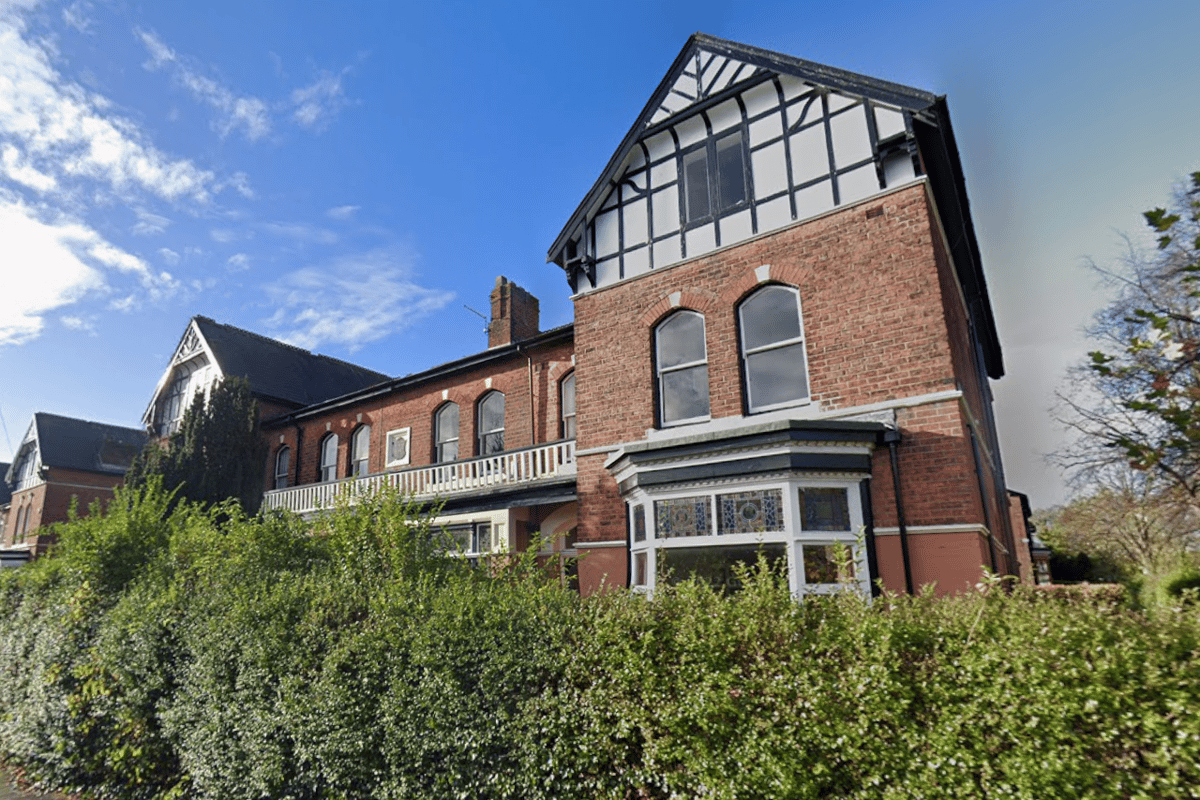
Plans to convert a vacant property in a protected area of Preston into a home accommodating up to 18 residents have been formally rejected by local councillors. The decision, made on September 20, 2023, follows significant concerns raised by members of the community regarding the potential impact on the neighborhood.
The proposed conversion, which aimed to provide housing for vulnerable individuals, faced backlash from local residents who argued that the development would lead to an increase in noise, traffic, and safety issues. Many community members described the plans as a “nightmare,” fearing that such a large-scale operation would disrupt the character of the area.
Councillors discussed the planning application during a meeting, weighing the merits of the proposal against the community’s apprehensions. Concerns primarily centered around the density of the housing and its implications for local services and infrastructure.
Local resident Sarah Thompson, speaking at the meeting, expressed her worries: “We’re a close-knit community, and adding so many people to one property could change everything. We need to preserve our neighborhood’s quality of life.”
The council’s decision reflects a broader trend observed in various regions where developments aimed at increasing housing capacity often clash with community interests. In this case, the councillors emphasized their commitment to ensuring that any new developments align with the needs and wishes of the local population.
Despite the setback, supporters of the project argued that it could provide essential support for vulnerable individuals in need of stable housing. They highlighted the growing necessity for such facilities amid increasing demand for affordable housing solutions.
The rejection of the application underscores the complexities of urban development, particularly in areas designated for protection. Balancing the needs of vulnerable populations with community integrity remains a significant challenge for local authorities.
As the conversation around housing continues to evolve, it is clear that both community input and strategic planning will play crucial roles in determining the future of residential developments in protected areas like Preston. The council’s decision serves as a reminder of the need for ongoing dialogue between developers, local governments, and residents to create inclusive solutions that benefit all parties involved.