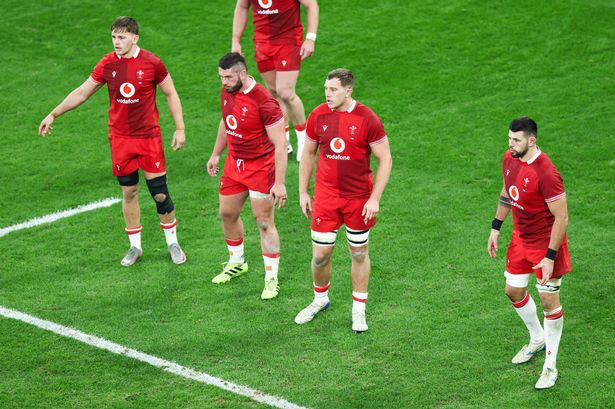
Wales rugby legend Graham Price expressed grave concerns regarding the current state of Welsh rugby following a devastating 73-0 defeat to South Africa on November 25, 2023. Price, who witnessed the match as a commentator, criticized the decision to hold the fixture outside the international window, suggesting that those responsible should have experienced the humiliation firsthand.
Following the match, Richard Collier-Keywood, a prominent figure in Welsh rugby, admitted feeling “embarrassed” by the team’s performance. Price argued that the players themselves were grappling with deeper feelings of humiliation, particularly as they face uncertainty about their futures amid ongoing restructuring within the Welsh Rugby Union (WRU).
The WRU had previously described the match as a “special occasion” for fans, underscoring the opportunity for players to face one of the world’s best teams. Yet, Price contended that the reality of the game quickly turned into a lopsided contest, with the Welsh team appearing overwhelmed and outmatched from the outset.
Addressing Structural Issues in Welsh Rugby
Price emphasized that it is not the responsibility of National Coach Steve Tandy to rectify the systemic issues within Welsh rugby. Instead, he called on Dave Redding, the newly appointed Director of Rugby and Elite Performance, to prioritize the development of a coaching structure that enhances the power and effectiveness of the forwards, an area that has notably struggled throughout the autumn campaign.
“Take the front row, for instance,” Price noted. The evidence from recent matches, particularly against the Springboks, showcases significant deficiencies in this area. South Africa’s rugby culture emphasizes the importance of strong, technically skilled tight forwards, a stark contrast to the current state of Welsh forwards.
Price pointed out that South Africa consistently produces props who understand their primary role: to excel in scrummaging. He criticized the Welsh approach, which appears to prioritize versatility over core scrummaging skills, stating, “They do not select props just because they are the best ball handlers at the expense of their scrummaging duties.”
Reflecting on past successes, Price highlighted the contributions of Gethin Jenkins and Adam Jones to Welsh rugby over the last two decades. While Jenkins was celebrated for his defensive skills and breakdown work, Price believes Jones’ ability to anchor the tighthead side of the scrum was even more crucial. “The tighthead has to push against two opponents, and Adam became one of the best in the world at dealing with this,” Price explained.
A Call for Systemic Change
The former player expressed concern that the current coaching philosophy aims to produce the next Gethin Jenkins instead of recognizing the unique strengths of players like Adam Jones. He argued that the flawed system hampers the development of potential scrummaging props, leaving the team struggling to find the right balance.
Price’s comments resonate with the urgent need for change within Welsh rugby. He hopes that Dave Redding will bring a visionary approach to address the significant issues left by his predecessors. “The damage done to Welsh rugby over the years may be extensive, but I wonder if he understands the full scope of what needs fixing,” Price mused.
As Welsh rugby continues to grapple with its identity and future direction, these insights from a seasoned player serve as a crucial call to action. The upcoming months will be pivotal for the WRU and its leadership as they strive to restore pride and competitiveness in Welsh rugby on the international stage.
For those interested in staying informed about developments in Welsh rugby, the WRU encourages fans to sign up for its free daily newsletter and WhatsApp updates to receive the latest news.