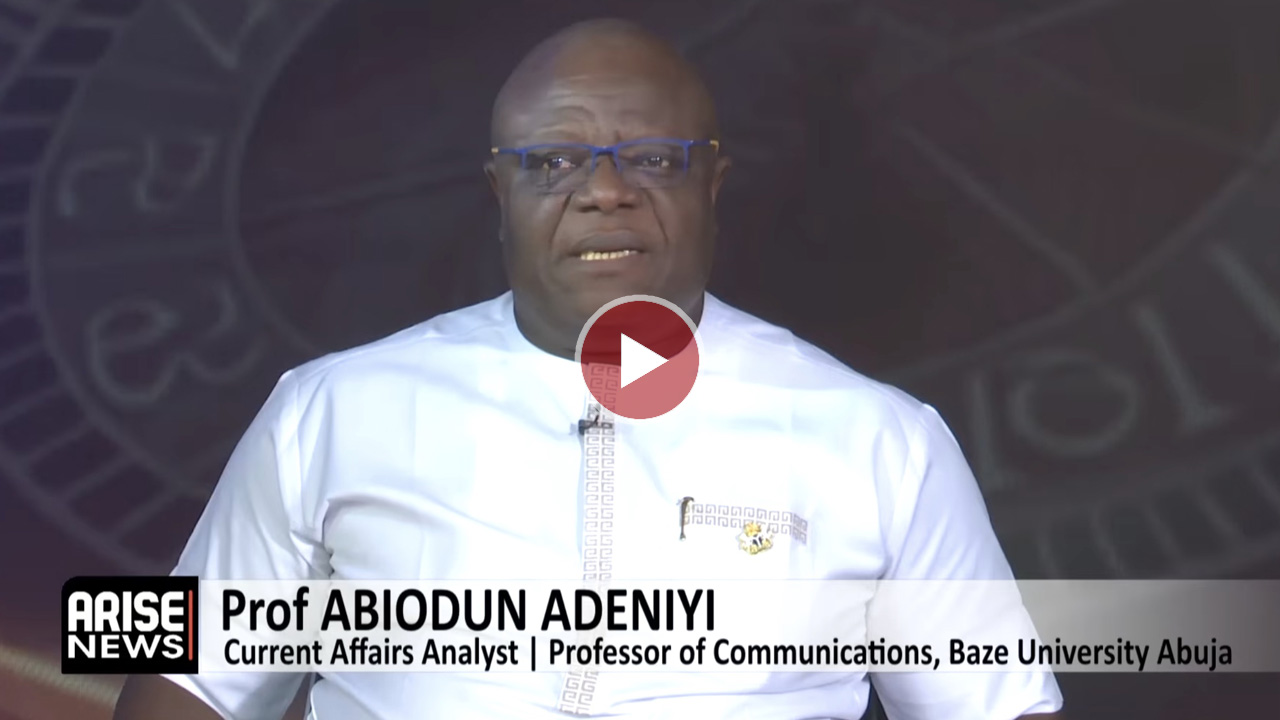
An inquiry into class representation in the creative sector has put forth significant recommendations aimed at increasing working-class involvement in the arts in Greater Manchester. The report, titled Class Ceiling, was led by Nazir Afzal, chancellor of the University of Manchester, and Avis Gilmore, former deputy general secretary of the National Education Union. Announced on 26 September 2023, the report serves as a “blueprint for change” designed to tackle long-standing barriers that have hindered working-class representation in the arts.
Despite the presence of numerous talented individuals from less privileged backgrounds in the region, representation remains a critical issue. As noted by Christopher Eccleston, a Salford-born actor, many from working-class backgrounds feel excluded from the arts. He stated, “If you grow up in the north-west, you don’t feel culture and the arts belong to you. You don’t believe if you come from a council estate you can be an actor, a poet or a painter.”
Key Recommendations for Change
The report outlines 21 recommendations, with a primary proposal advocating for class to be recognized as a protected characteristic, similar to race, sex, and religion. Afzal emphasized the importance of Greater Manchester leading the way in such initiatives, reflecting on past successes in championing equality. He remarked, “When Sophie Lancaster was killed, Greater Manchester police broke new ground by offering people from alternative subcultures hate crime protection. This was the right thing to do and we need to be equally bold.”
Another significant concern highlighted in the report is the lack of apprenticeship opportunities in the arts, with only 0.5% of new apprenticeships in the creative sector. This gap has made it increasingly difficult for working-class individuals to enter creative fields. Last year, when the Co-op offered just five apprenticeships at the new indoor arena Co-op Live, they received 2,304 applications, translating to 460 applications per position.
Driving Initiatives for Future Opportunities
In response to the findings, Claire Costello, chief people and inclusion officer at Co-op, stated that the organization is committed to leading an apprenticeship drive. She explained, “Our Co-op believes everyone, whatever their background, should be able to access opportunities in the arts and creative sector throughout Greater Manchester.” The Co-op aims to encourage other employers in the region to share unspent apprenticeship levy funds to raise £3 million over three years, supporting 200 new apprenticeships in the arts.
Additional recommendations in the report include the establishment of a “Class Champion,” a role designated by the mayor to advocate for class-related issues. It also calls for mandatory public advertising of all roles in the arts to diminish cronyism and proposes increasing artistic programs in schools to ensure consistent exposure to the arts for young people.
The Class Ceiling report marks a pivotal step towards enhancing working-class representation in the arts, emphasizing the urgent need for structural changes that will empower individuals from diverse backgrounds. By implementing these recommendations, Greater Manchester could serve as a model for similar initiatives across the country, fostering an inclusive and vibrant arts scene that reflects the true fabric of society.