A tragic incident has underscored the violence surrounding ongoing protests in Iran. A 23-year-old student, Rubina Aminian, was shot in the back of the head during demonstrations in Tehran and subsequently buried at the roadside. Aminian, a Kurdish woman studying textiles at Shariati College, participated in protests on January 10, 2026, following a day of classes. Her death highlights the brutal crackdown by Iranian authorities against demonstrators.
According to Iran Human Rights, Aminian was killed at close range and was found buried beside a deserted road. Her parents traveled from their home in Kermanshah to identify their daughter’s body, discovering that several other young protesters had met similar fates. Although initially denied the right to take her body home, they managed to persuade local authorities to release it. Upon returning home, they were confronted by intelligence agents surrounding their residence.
The family sought a traditional burial ceremony at local mosques but were informed that such services had been banned. Ultimately, Aminian was buried along the road between Kermanshah and Kamyaran. A family source described her as “a young woman full of joy for life and passionate about fashion and clothing design,” whose aspirations were extinguished by the violent repression of the regime.
Reports from IranWire indicate a significant escalation in violence during the protests, with demonstrators increasingly targeted by security forces. Accounts from medical staff revealed that during protests on January 10 and 11, multiple individuals suffered fatal head injuries. A surgeon treating victims noted that six patients shot in the head did not survive.
“They took their children and buried them in the same clothes,”
said a medical source, emphasizing the alarming trend of parents finding their children’s bodies in hospitals after clashes with authorities. The situation has led to hospitals being overwhelmed with casualties, prompting some facilities to declare a state of crisis due to the influx of patients with severe injuries.
As protests have intensified, the Iranian government’s rhetoric has shifted from describing demonstrators as “rioters” to labeling them as “terrorists.” This shift reflects a broader pattern of escalating violence against protesters, particularly among the youth. The protests began in late December 2025, primarily driven by widespread dissatisfaction over economic conditions, including rampant hyperinflation.
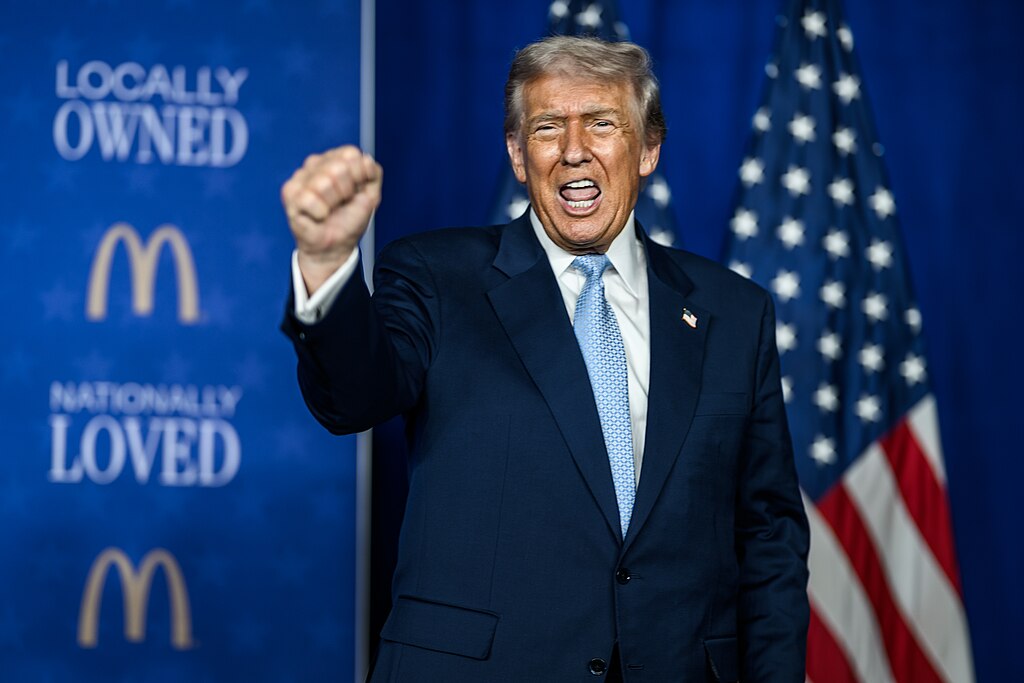
In light of the brutal repression, the international community has taken notice. Former U.S. President Donald Trump has expressed support for the Iranian protesters, stating that the U.S. is “ready to help.” Sources indicate that discussions regarding potential military action against Iran are ongoing. Trump has been briefed on various options, including targeted strikes against nonmilitary sites in the Iranian capital.
On January 10, 2026, Iranian officials warned that any foreign intervention would be met with severe consequences. Mohammad Baqer Qalibaf, Iran’s Parliament Speaker, declared that U.S. military forces and Israeli interests would be “legitimate targets” in the event of an attack.
The Iranian regime’s response to the protests has raised alarm among human rights organizations, with Human Rights Activists News Agency reporting that more than 2,600 individuals have been detained since the start of the protests. The communication blackout imposed by the government complicates efforts to gauge the full extent of the demonstrations and their repercussions.
With the humanitarian crisis deepening and the potential for international conflict looming, the situation in Iran remains critical. The plight of victims like Rubina Aminian serves as a poignant reminder of the ongoing struggle for freedom and human rights within the country. As protests continue, the world watches closely, aware that the actions taken by the Iranian regime could have far-reaching consequences both domestically and internationally.