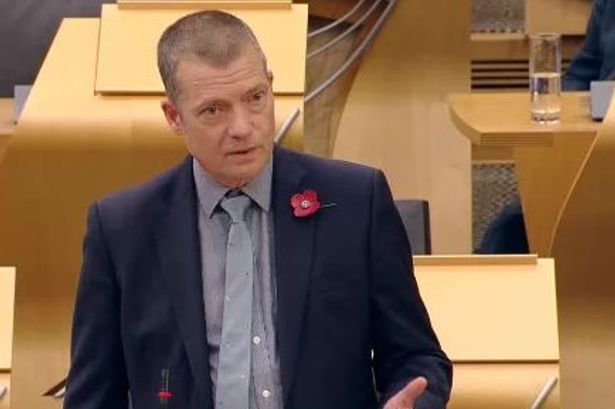
A proposed bill aimed at enhancing political accountability in Scotland has been rejected in the Scottish Parliament. The Scottish Parliament (Recall and Removal of Members) Bill, introduced by Lanarkshire MSP Graham Simpson, failed to pass during its final debate on March 15, 2024. After five years of development, the bill sought to empower voters to recall Members of the Scottish Parliament (MSPs) through petitions in cases of criminal convictions or serious breaches of parliamentary standards.
Simpson emphasized the significance of the bill, stating it would give constituents a greater voice in governance, particularly when serious allegations arise against their representatives. He expressed disappointment, noting that MSPs voted to protect themselves even in instances where they could face imprisonment for up to one year or be barred from Parliament for more than ten days due to serious rule violations.
“MSPs have today voted to protect themselves even if they are jailed,” Simpson remarked, criticizing what he described as a “tawdry stitch-up” orchestrated by established political parties. He attributed the vote’s outcome to party politics rather than the merits of the legislation, calling it a “day of shame” for the Scottish Parliament.
Initially proposed as a Scottish Conservative bill, the legislation was named after former Finance Secretary Derek Mackay, who faced severe scrutiny after failing to attend Parliament for over a year due to misconduct involving inappropriate messages with a minor. The bill aimed to align Scotland’s political accountability measures with those in Westminster, where constituents can initiate recall petitions under similar circumstances.
The legislation gained traction following notable incidents, including the Michael Matheson scandal, where he misled Parliament about a large iPad bill, leading to calls for a more robust accountability framework. The proposal would have enabled constituents to remove MPs from office for serious infractions, enhancing democratic oversight.
Despite the arguments in favor of the bill, it faced opposition from the governing SNP. SNP Parliamentary Business Minister Graeme Dey articulated concerns that the legislation could unfairly impact future parliamentarians amid uncertainties surrounding the complaints and sanctions process. Dey argued that imposing such a measure could create an undue burden on MSPs, potentially jeopardizing their careers.
Criticism of the bill’s provisions also emerged from the Scottish Conservatives. Sue Webber expressed that the bill had been significantly diluted, ultimately offering more protections to those sentenced to jail compared to those suspended from Parliament. She suggested that the legislation did not provide sufficient measures to address the issue of absentee MSPs, like Mackay.
Scottish Labour Business Manager Martin Whitfield weighed in, asserting that the SNP’s resistance to the bill indicated a preference for self-preservation over accountability. “The people of Scotland can draw their own conclusions about why the SNP might not want them to have the power to recall MSPs who are not fit for office,” he stated.
The final vote resulted in 30 votes in favor and 66 against, with the Scottish Conservatives opting to abstain. The rejection of this bill highlights ongoing debates about accountability and governance within Scotland’s political landscape.