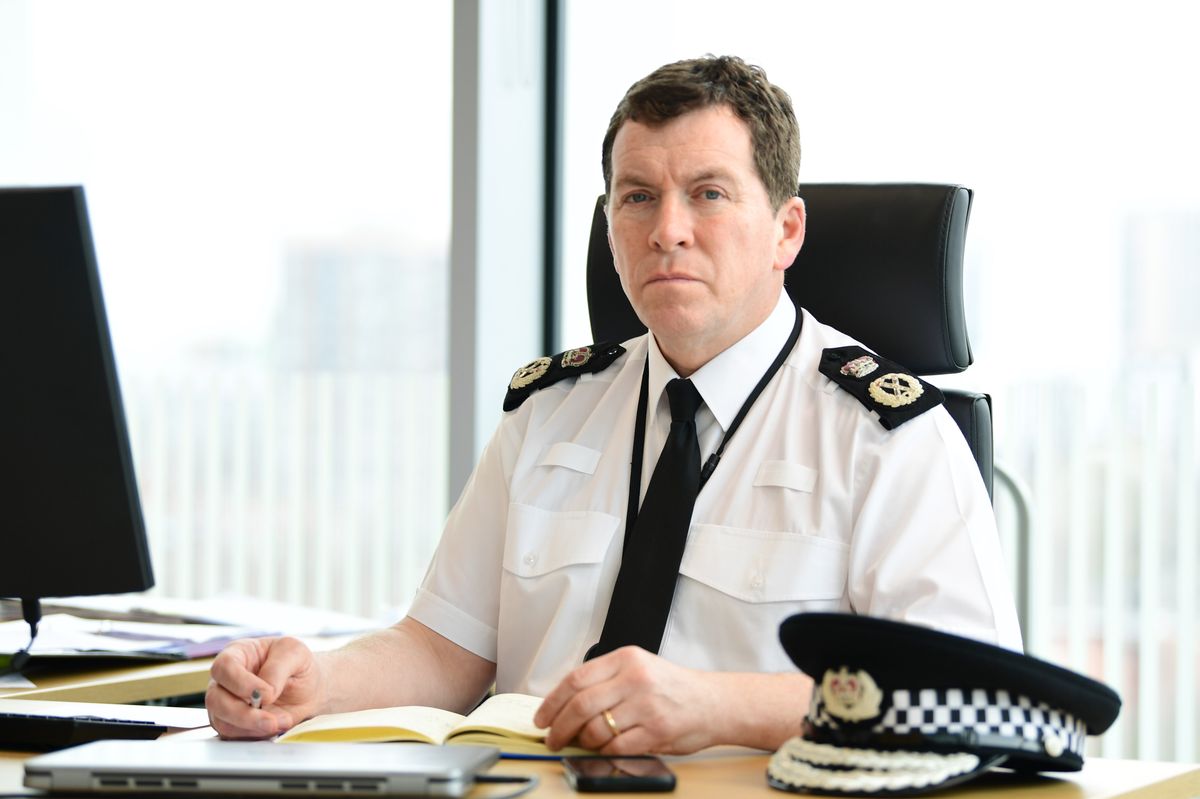
Merseyside Chief Constable Rob Carden has outlined a dynamic approach to policing in the region, emphasizing a proactive strategy in the face of rising criminality. In an interview marking his first six months in the role, he described recent operations involving hundreds of officers as a “statement” of intent, reinforcing the need for a visible police presence to bolster public confidence.
According to Carden, the public desires assurance that law enforcement is actively engaged in their communities. “Visible policing is really important,” he stated. “It can be difficult to provide them with reassurance, but it directly impacts public trust and confidence.” His sentiments underscore the Merseyside force’s commitment to adapting its tactics to combat serious crime effectively.
Bold Strategies and Community Focus
The chief constable asserted that the force’s recent bold strategies have energized officers and improved morale. Carden acknowledged criticism regarding resource allocation, labeling such remarks as “incredibly simplistic.” He expressed satisfaction with the police’s operational response, noting that “officers love it” and are eager to return to effective policing practices.
Merseyside Police plans to implement its largest restructuring in a decade by March 27, 2024, focusing on neighborhood policing. This overhaul aims to enhance accountability and ensure that local communities know who to approach with their concerns. The restructuring will introduce four new command areas—Liverpool, Sefton, Wirral, and a combined unit for Knowsley and St Helens—while adding 80 additional officers for response and patrol and 60 officers for neighborhood policing.
The restructuring aligns with Carden’s vision of tethering accountability to geographic areas, allowing for more localized response to issues such as anti-social behavior. Previously, officers from distant areas would be dispatched to handle local problems, complicating accountability.
Embracing Technology for the Future
Chief Constable Carden also highlighted the pivotal role of technology in modern policing. He affirmed that the future of law enforcement lies in innovation, citing the successful deployment of live facial recognition technology in the city center and at Everton match days. “We’ve got to embrace technology; we can’t be scared of it,” he emphasized, underscoring a commitment to using these tools responsibly for public safety.
With £31 million in cuts anticipated over the next four to five years, Carden is focused on making the force financially sustainable while maintaining high service standards. He remains cautious regarding proposals for a significant reduction in police forces, including the creation of large “super forces.” Carden believes that any changes should be evidence-based and must consider the unique needs of local communities.
The chief constable also addressed challenges regarding trust in law enforcement, particularly in light of national incidents, such as the case of Sarah Everard, which has sparked public scrutiny. He acknowledged that parts of the Merseyside force need improvement and is dedicated to fostering ethical policing that prioritizes respect and responsiveness.
In a recent incident involving the death of 23-year-old Lain Estridge in Toxteth, Carden expressed regret over the tragic event and the subsequent scrutiny on police operations. He emphasized the importance of transparency and compassion when addressing community concerns. “It is a loss of life, and that’s the saddest thing in all of this,” he remarked.
As he reflects on his role, Carden, who is also the national policing lead for digital data and technology, views his leadership of Merseyside Police as a significant opportunity. He stated, “Policing is a big part of my life… I want to do the best I possibly can.” With a clear focus on community engagement, ethical policing, and technological advancement, Chief Constable Rob Carden is positioned to navigate the complexities of modern law enforcement in Merseyside.