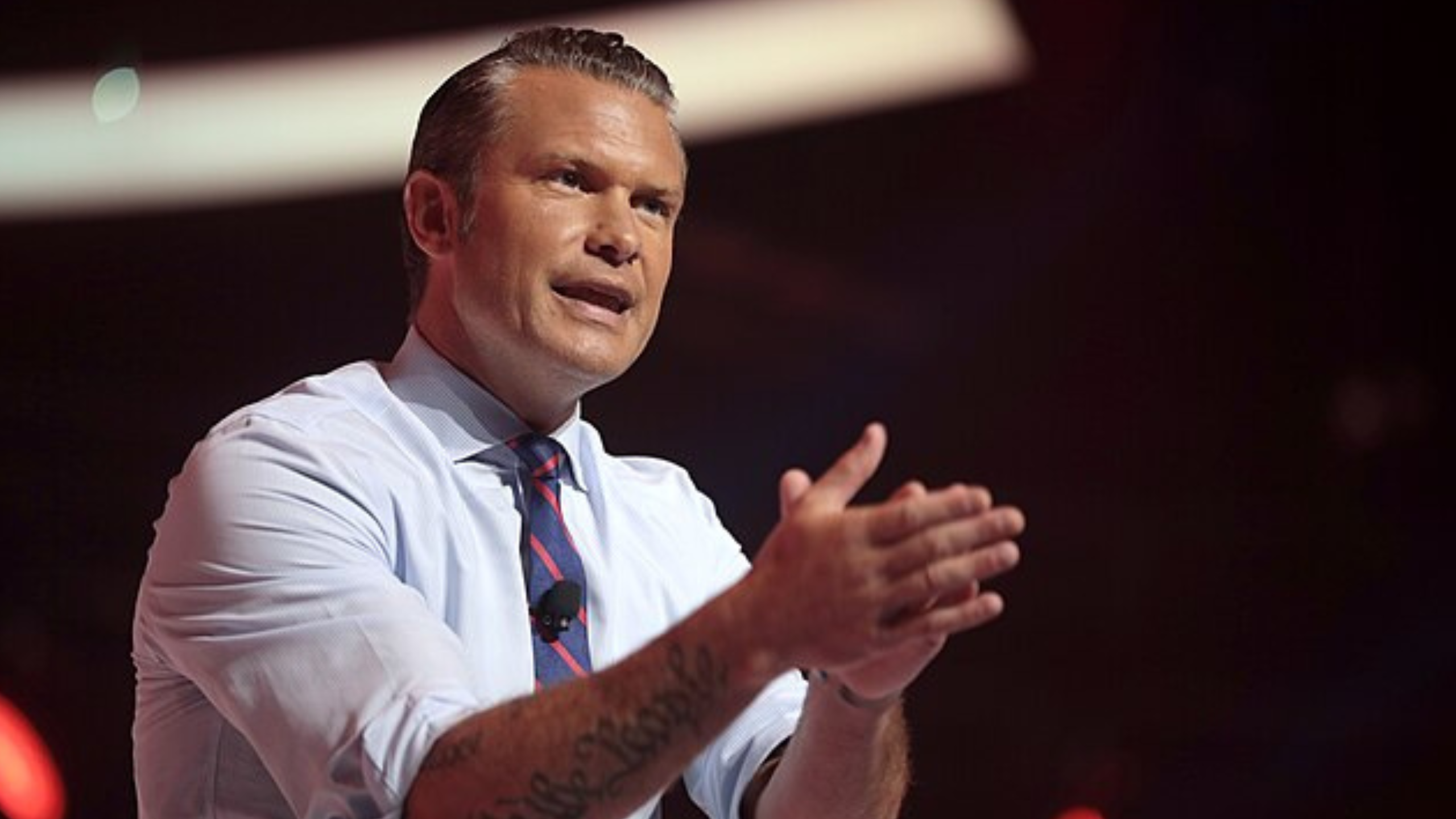
Nigel Farage, the leader of the Reform Party, recently attended a private party in Dubai, where he expressed admiration for the United Arab Emirates (UAE) and its political stance. The event, hosted by GB News, took place on the rooftop of the luxurious Ritz-Carlton hotel, attracting around eighty attendees, including prominent Emirati officials.
During his keynote speech, Farage highlighted the UAE’s ban on the Muslim Brotherhood, stating that a Reform government in the UK would pursue similar policies. He referred to his constituency in England, Clacton, expressing a desire for it to mirror the developments seen in Dubai. “Look around at the palm,” Farage remarked, indicating the opulence surrounding him. He addressed the Emirati officials directly, saying, “We have a lot to learn from you, my dear sirs,” and reaffirmed the importance of the relationship between the UK and the UAE, noting, “A Brexit London, a Reform London, will remember you.”
The gathering underscores the evolving ties between the Reform Party and the UAE, particularly given their mutual opposition to political Islam. Farage has previously advocated for a ban on the Muslim Brotherhood, citing actions taken by several Gulf states. Just last week, he sought a meeting with the UAE’s President, Sheikh Mohamed bin Zayed, emphasizing his admiration for the country while expressing disillusionment with life in the UK.
Laila Cunningham, the Reform Party’s candidate for mayor of London, was also present at the event, as was Nadhim Zahawi, the former Conservative chancellor who recently joined Reform and has residential ties to Dubai. The party attracted wealthy donors based in the UAE, further solidifying the financial connections between the two entities.
Farage’s links to the UAE are not new. He visited Abu Dhabi in the previous month on a trip funded by the UAE government. This outreach appears to align with Emirati interests in engaging with Reform, as they share a common stance against the Muslim Brotherhood. The organization, founded in Cairo in 1928, is a significant player in political Islam and is viewed with suspicion by many autocratic regimes across the Middle East and North Africa. In instances of free elections, parties associated with the Muslim Brotherhood have often emerged as major forces.
The UAE’s efforts to counter the influence of the Muslim Brotherhood have included designating eight British organizations as terrorist groups due to alleged ties to the group, although these organizations have not violated any British laws. Additionally, it has been reported that the UAE engaged a private intelligence firm to undermine Britain’s largest Muslim charity, Islamic Relief Worldwide, by attempting to connect its officials with the Muslim Brotherhood and other extremist groups.
As Farage and the Reform Party continue to cultivate their relationship with the UAE, the implications of this alliance could influence both domestic and international political landscapes. The burgeoning ties highlight a shared vision that prioritizes a strong stance against political Islam while fostering new partnerships that extend beyond traditional political boundaries.