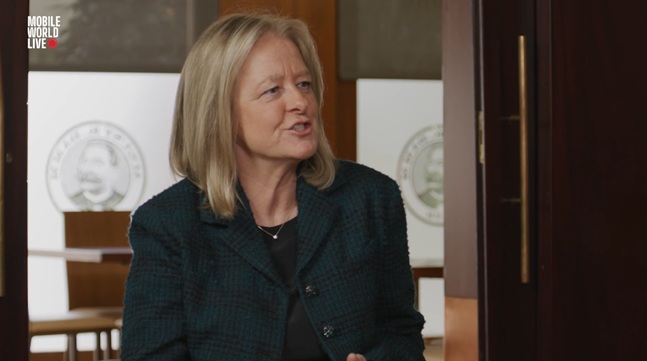
Rear Admiral Dolapo Kolawole (retd), the former Director of Operations at the Naval Headquarters, has stated that Nigeria’s ongoing security issues and recent mass killings are primarily due to failures in intelligence rather than a lack of military capacity. In an interview with ARISE News, he emphasized the necessity for enhanced human intelligence and infiltration of terrorist networks to effectively address the violence plaguing various regions of the country.
Kolawole’s comments come in light of the confirmed deployment of a small team of United States troops to Nigeria and the resurgence of violent attacks, particularly in Benue State and Kwara State. He commended the Nigerian armed forces, especially the Navy, which has been ranked as the strongest in Africa, attributing this to the significant number of naval assets available.
“The Nigerian Navy is currently rated as the most powerful in Africa, with 152 platforms surpassing other regional navies,” Kolawole noted. He asserted that this ranking reflects the Navy’s capacity to meet Nigeria’s security needs and its regional responsibilities.
In discussing the recent uptick in terrorist activity, Kolawole highlighted the Navy’s capabilities suited for asymmetric warfare. He pointed out that the Nigerian Navy Special Boat Service, a specialized unit modeled after the United States Navy SEALs, is well-equipped for complex counterterrorism operations. “This unit can conduct surgical strikes against terrorist camps and protect critical areas,” he explained.
Despite these capabilities, Kolawole stressed that military hardware alone cannot resolve the issues Nigeria faces. “The most vital component is intelligence,” he said. He warned that without adequate intelligence regarding terrorist intentions and activities, security forces would struggle to prevent attacks.
“Terrorists exploit intelligence weaknesses,” he added. “They can operate freely, making it imperative for us to develop our intelligence capacity.” He recommended deeper infiltration into terrorist groups through human intelligence, involving agencies such as the Defence Intelligence Agency and the Department of State Services (DSS).
Kolawole explained that understanding the motives, plans, and locations of terrorist groups is critical for effective counteraction. “If I am a step ahead in intelligence, I can prevent operations and dismantle their logistics,” he said.
On the subject of maritime security, Kolawole refuted claims that piracy, oil theft, and militancy undermine the Navy’s high ranking. He acknowledged these issues persist but noted significant improvements. “The reduction of piracy and oil theft is evident due to enhanced naval capabilities,” he stated.
He elaborated on the collaborative approach Nigeria employs with private maritime security firms, describing it as a “homegrown” solution. Kolawole underscored the importance of cooperation among the government, the Navy, and local communities, which has helped to minimize tensions and conflicts.
Kolawole called for private security firms to collaborate more closely with the Navy, suggesting that viewing each other as partners rather than rivals would lead to improved security outcomes.
Regarding the presence of US troops in Nigeria, Kolawole expressed that this development indicates a strengthening of military cooperation. He emphasized the need for transparency from Nigerian authorities about the purpose and mission of this deployment. “Nigerians deserve to know the details regarding the strength and objectives of the US forces,” he said.
Kolawole concluded by asserting that official clarifications from the Minister of Defence and relevant authorities are expected soon, which will shed further light on the situation. He expressed confidence that the government would provide the necessary information to the public.