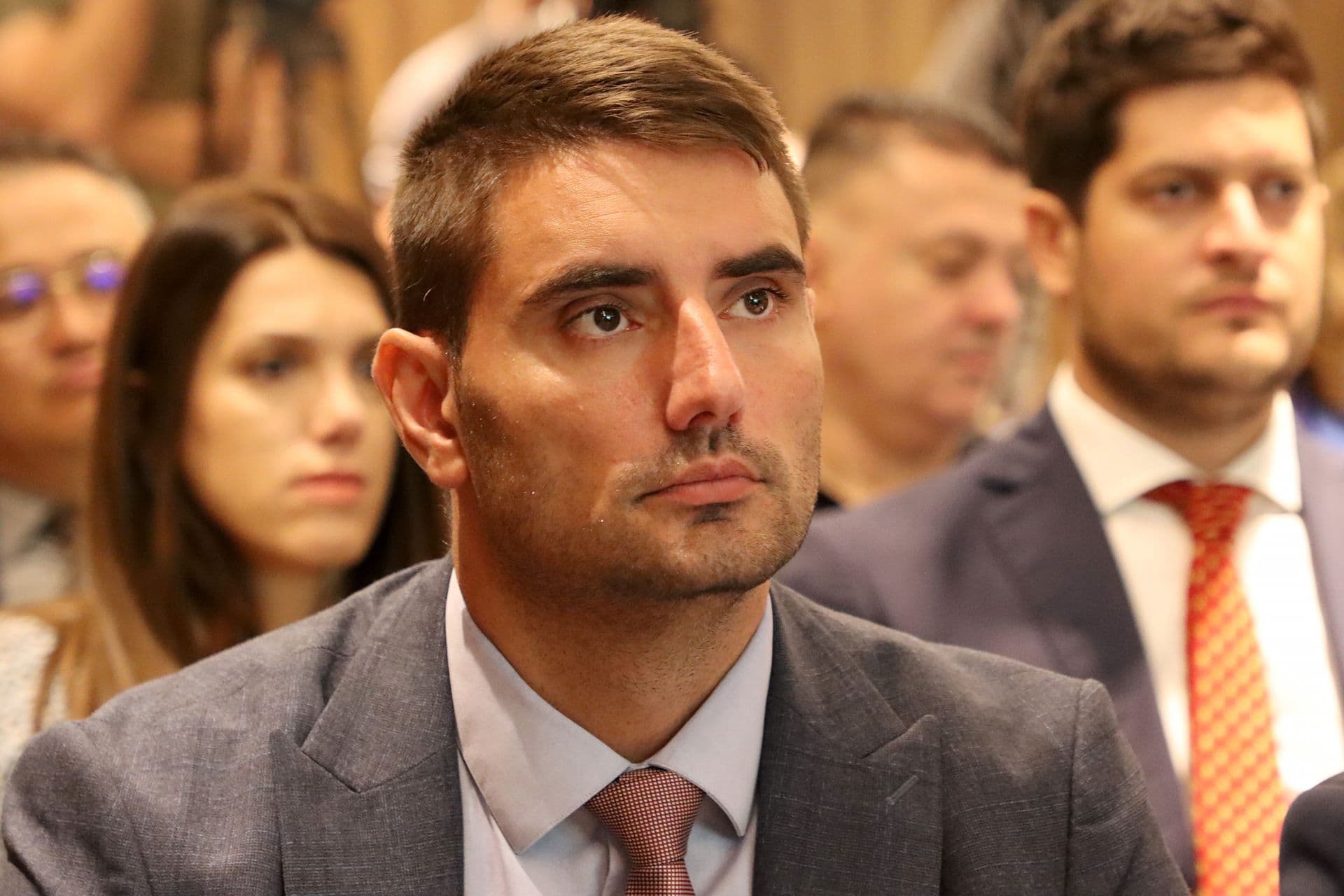
The electoral process in the municipality of Šavnik, Montenegro, has been stalled since 2022, raising concerns about its impact on local governance and democracy. In an interview with Pobjeda, Jugoslav Jakic, the president of the municipality, emphasized the need for a comprehensive solution, advocating for all local elections to be held on the same day in 2027. He stated that repeated disruptions to the electoral process have not only impeded governance but also violated citizens’ constitutional rights.
Jakic expressed frustration over the interruptions caused by the opposition, which has hindered voting on nine occasions. He characterized these actions as illegitimate political maneuvers that undermine the rule of law. “The fact that voting has been physically obstructed without legal justification cannot be considered a legitimate form of political struggle,” he remarked. He underscored that the ongoing electoral crisis poses significant challenges to Montenegro’s democratic framework.
In addressing potential solutions, Jakic highlighted the importance of institutional responses rather than street protests. He noted that the resolution must come from the relevant electoral commissions, courts, and prosecutors. “Any alternative approach risks establishing a dangerous precedent where might replaces right, a trajectory no democratic society should accept,” he stated.
Jakic advocates for a clear and decisive institutional response from the state, coupled with comprehensive electoral reform. He believes that consolidating all local elections by 2027 provides a unique opportunity to address outstanding issues, improve the voter registry, and establish equitable rules for all participants. “This would prevent abuses and eliminate lingering doubts surrounding specific electoral processes,” he added.
As Montenegro aspires to join the European Union, Jakic emphasized that the country cannot afford to remain mired in open electoral crises and institutional blockages. He called on all political actors to prioritize state and citizen interests over party agendas. “If similar scenarios occur in future elections, it would indicate that the issue is no longer local but systemic,” he said, asserting that both political and legal accountability must follow.
Despite the ongoing electoral turmoil, Jakic affirmed that Šavnik is not in a state of stagnation. He pointed out that the municipality continues to function effectively, with no interruptions in service provision. He noted that the budget has reached a historic high in the past two years, primarily focused on development. “We have managed to increase revenues and channel them where they are most needed,” he said, referring to infrastructure and direct support for residents.
On the impact of the unresolved electoral situation, Jakic stated that while some institutional challenges exist, the municipality is actively investing in community welfare. He highlighted that farmers receive all necessary subsidies, and young people benefit from scholarships aimed at encouraging them to stay in their hometowns. “Our commitment to social support is unwavering, and we ensure all entitlements are delivered without delay,” he said.
Looking ahead, Jakic expressed confidence in the municipality’s ability to overcome challenges and continue developing despite political obstacles. He mentioned several key projects, including the restoration of infrastructure following severe flooding, as indicative of Šavnik’s resilience. “These initiatives are not merely technical undertakings; they represent our dedication to ensuring safety and responsibility towards our citizens,” he remarked.
As the year comes to a close, Jakic identified priorities for the future, including the completion of ongoing investments, strengthening communal and transport infrastructure, and enhancing healthcare and social protection services. He emphasized the importance of creating an environment conducive to new investments, particularly in sustainable tourism and agriculture.
In a message to citizens who may have lost faith in local politics due to the prolonged electoral crisis, Jakic urged them to recognize the ongoing efforts to maintain stability and progress. “I understand the weight of the circumstances we have been living under, and I am aware of how the extended electoral crisis burdens daily life,” he remarked. He reiterated his commitment to ensuring the functioning of the system and upholding the law.
As Šavnik navigates these turbulent waters, Jakic remains focused on fostering a stable, responsible, and developmental approach to governance. He believes that the path forward lies in prioritizing the interests of the community and building trust through concrete actions and accountability. “Šavnik deserves stability, development, and perspective, and I will do everything to achieve these goals in collaboration with citizens and responsible stakeholders,” he concluded.