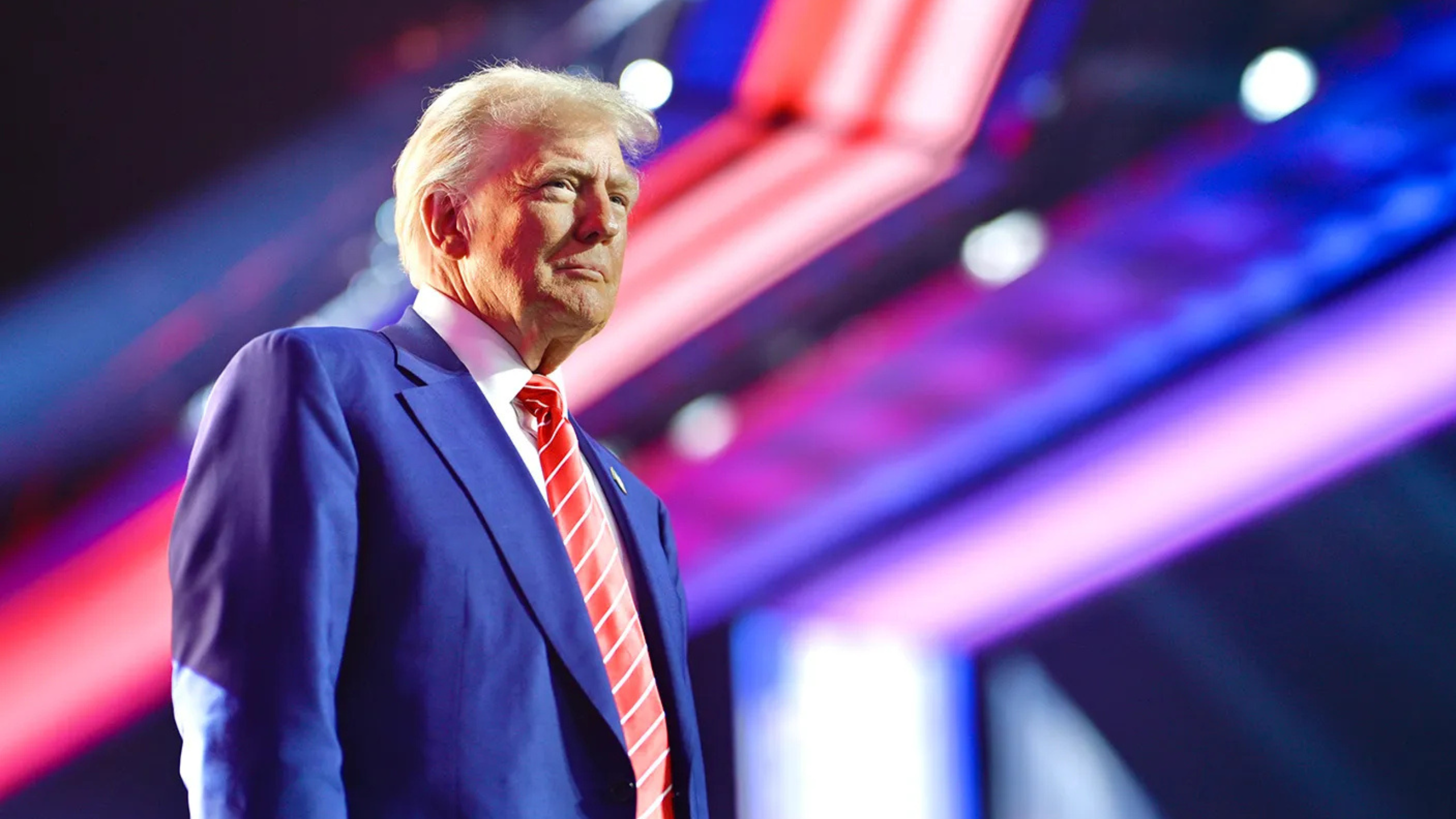
Former President Donald Trump is reportedly intensifying his interest in Unidentified Aerial Phenomena (UAP) data, suggesting a potential move towards significant declassification of related files. According to anonymous sources cited by RadarOnline, Trump is prepared to authorize the release of classified information that may reveal evidence of extraterrestrial technology and past interactions with non-human entities.
This development comes at a time when public interest in UAPs has surged, fueled by recent congressional hearings, whistleblower claims, and official acknowledgments from the Pentagon. The Pentagon had previously authenticated multiple UAP videos and established the All-Domain Anomaly Resolution Office (AARO), marking a formal recognition of unidentified crafts exhibiting movements that surpass known technology. However, Trump’s commitment to what he terms “maximum transparency” suggests a deeper level of disclosure than what has been previously offered.
If Trump were to return to the White House, he is said to be eager to publish files that could include classified pilot testimonies, military radar data, and analyses that have remained under wraps for decades. Sources indicate that Trump feels a strong belief that the American public has a right to know the truth about potential extraterrestrial interactions with Earth. This stance positions him as a figure willing to challenge longstanding governmental secrecy.
Trump’s renewed focus on UAP intelligence serves multiple strategic purposes. Engaging with the extensive community of UFO researchers and disclosure advocates could resonate with independent voters and invigorate online supporters. This aligns with his political narrative as an outsider willing to confront entrenched institutions that have historically maintained secrecy regarding such matters.
Throughout his presidency, Trump hinted at possessing knowledge about UAPs, making vague references to “interesting things” hidden in national archives and the possibility of declassifying information associated with the famous Roswell Incident. While this connection between presidents and extraterrestrial theories is not new—previous leaders such as John F. Kennedy, Bill Clinton, and Barack Obama have faced similar speculations—Trump’s potential readiness to disclose materials could elevate the stakes significantly.
Despite the compelling nature of Trump’s statements regarding UAP disclosure, experts in the field of national security caution that the complexities of declassifying such material cannot be underestimated. UAP intelligence is often intertwined with critical national security vulnerabilities. Any release of footage or analyses demonstrating advanced aerial technology risks revealing sensitive details about the United States’ detection capabilities and military assets.
In essence, the ongoing discourse surrounding UAPs continues to captivate the public’s imagination. The notion that a former president might unlock answers to questions about life beyond Earth ensures that the debate will remain dynamic and contentious across various media platforms and political discussions. As curiosity about extraterrestrial life persists, the implications of Trump’s potential actions could have lasting effects on the narrative surrounding UAPs and government transparency.