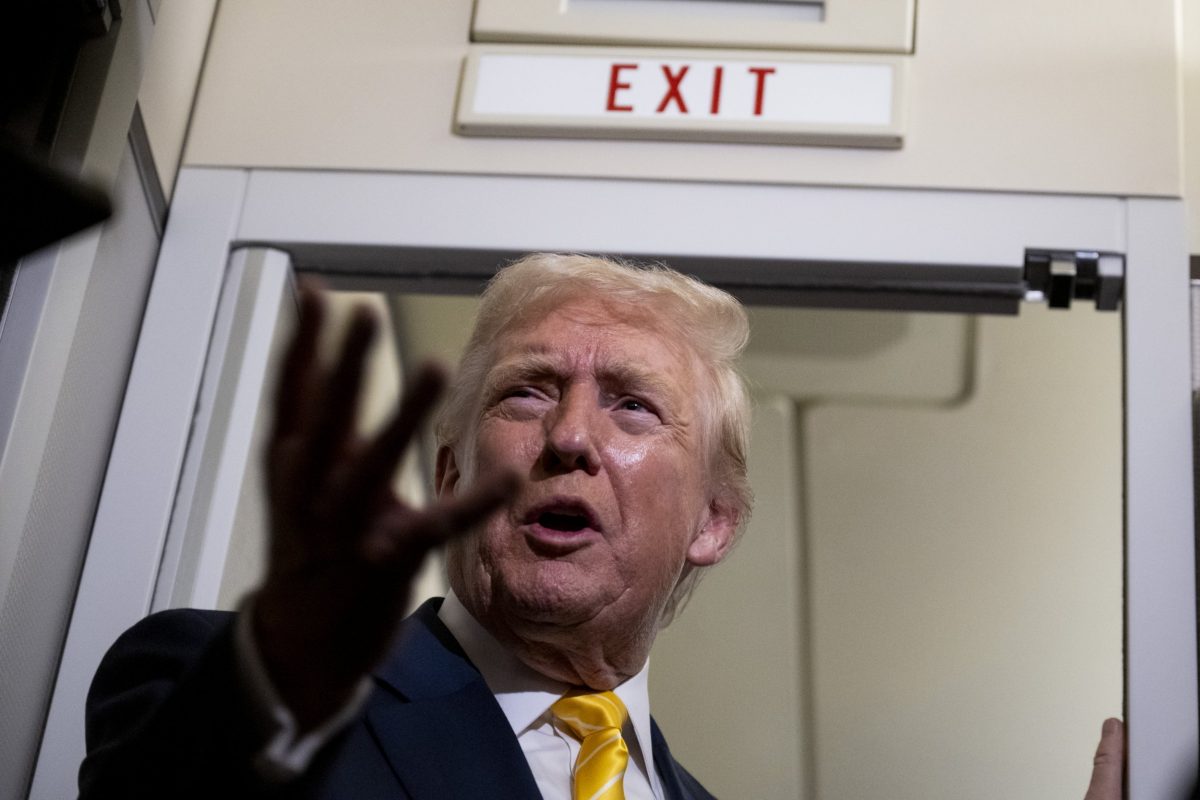
Donald Trump has launched a significant legal attack on the BBC, seeking damages ranging from $1 billion to $5 billion. The lawsuit comes at a crucial time for the BBC, as it faces challenging negotiations regarding its public funding model. This model allows it to maintain its status as one of the world’s most popular media organizations by audience.
During a White House press briefing, journalist Beverley Turner, representing GB News, posed a provocative question to the President, asking if he was prepared to “bankrupt the BBC” in his quest for “truth and justice.” White House Press Secretary Karoline Leavitt supported this sentiment, describing the BBC as a “leftist propaganda machine” funded by British taxpayers. This interaction underlines Trump’s ongoing efforts to redefine the British media landscape and his apparent disdain for the BBC.
Trump’s lawsuit stems from a contentious edit of his speech during the January 6, 2021, Capitol riots, which aired on BBC’s Panorama. He accuses the BBC of dishonesty, claiming its executives attempted to influence the outcome of a presidential election. Critics argue that Trump’s legal actions could represent an unwelcome intrusion into the internal affairs of a close ally.
Trump’s support for alternative British media outlets is evident. He has publicly praised The Telegraph for its reporting on the BBC’s editing practices. The White House recently endorsed GB News, with Leavitt tweeting, “@BBCNews is dying because they are anti-Trump Fake News. Everyone should watch @GBNews.” This relationship has been further solidified by an exclusive interview Trump granted to GB News, where he made inflammatory comments about London’s mayor, Sadiq Khan.
The influence of American media interests in the UK is expanding. The founders of GB News, Andrew Cole and Mark Schneider, aimed to create a right-leaning alternative to the traditional public service broadcasting model. While GB News has struggled to gain a significant audience compared to giants like Fox News, it has reshaped the UK news environment, and Trump’s backing may enhance its visibility.
In recent developments, Gerry Cardinale, a private equity investor, withdrew his £500 million bid for The Telegraph, which had aimed to position the publication as a counterpart to the New York Times. Cardinale’s involvement in UK media extends to a 25 percent stake in a recent merger involving Skydance Media and Paramount Global, which also owns Channel 5.
The growing American investment in British media raises concerns about the potential for foreign influence over local news narratives. While some American companies, such as Comcast, own media outlets perceived as left-leaning, others, like Trump supporters, are seeking to shift the editorial balance toward the right. This trend reflects a broader strategy by American entities to dominate the UK media landscape.
Despite the pressures from American interests, the BBC remains a longstanding institution with a history of public service. As the UK government contemplates the future of the BBC’s funding after 2027, it faces a critical juncture. The potential rise of right-leaning media figures, such as Nigel Farage, who has close ties to Trump and hosts a show on GB News, poses additional challenges. The proposed cuts to public funding could have profound implications for the BBC’s independence and its role in British society.
Trump’s actions signal a determined effort to reshape not only the media landscape in the UK but also the broader political discourse. As he continues to exert influence, the future of the BBC and the integrity of British media may hang in the balance.