The United Kingdom’s military readiness is under scrutiny as recent reports highlight significant shortcomings in defence spending and infrastructure. A consultancy report indicated that Whitehall has not allocated necessary capital funding for crucial projects, such as barracks, naval hubs, and munitions factories. This lack of investment threatens the government’s long-term commitment to raise defence spending to 3.5% of GDP.
Declining Military Strength
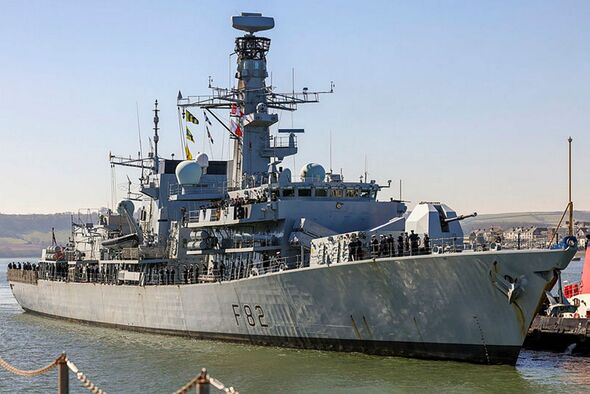
Current statistics reveal alarming trends within the UK armed forces. The British Army is now at its smallest size since the early 19th century, while the Royal Air Force has diminished to two-thirds of its strength since the end of the Cold War. The Royal Navy, once a pillar of Britain’s maritime dominance, has also seen a significant decline. An independent review by Navy Lookout in 2025 noted that, “hull numbers continue to fall before new ships are ready to replace them, amphibious capability has been hollowed out, support shipping is fragile, global presence has contracted, and too much future capability still exists on PowerPoint slides rather than at sea.”
The situation raises concerns about the UK’s ability to respond effectively to international threats. Critics argue that the failure to invest in military infrastructure not only undermines national security but also erodes the country’s global authority. The phrase attributed to former US President Teddy Roosevelt, “speak softly and carry a big stick,” seems to contrast sharply with the UK’s current approach, where bold rhetoric is met with inadequate resources.
Employment Tribunal System Under Fire
The challenges facing the UK’s military are paralleled by issues within the employment tribunal system, established in 1964 to protect workers from unfair dismissal and discrimination. A growing number of claims are perceived as vexatious, diverting valuable resources away from legitimate cases. Youth worker Joseph Johnson has faced criticism for submitting 54 claims against various institutions, with only one ruling in his favour for an unlawful deduction of wages.
Similarly, law graduate Zakir Khan has lodged 42 claims of discrimination against legal firms and public bodies, none of which were successful. Reports indicate that vexatious litigants contribute to a backlog of 491,000 open cases in the tribunal system, placing additional strain on an already overburdened judicial process. Critics argue that the recent introduction of the Employment Rights Bill will further exacerbate the issue, making it easier to pursue claims and potentially leading to an increase in litigation.
As the government grapples with these challenges, the future of both the UK’s military capabilities and the integrity of its legal systems remains uncertain. The ramifications of inadequate defence spending and a beleaguered tribunal system extend beyond mere statistics; they directly impact the lives of citizens and the nation’s standing on the global stage.
In a contrasting note, the annual New Year’s Honours list has once again ignited debates about the relevance and fairness of such awards. While some view the honours as outdated, others appreciate the joy they bring to recipients and their families. Personal reflections on the value of such recognition can add depth to discussions on this topic, demonstrating that while systems may be flawed, they can also foster moments of pride and celebration.
As the UK seeks to navigate these complex issues, the need for strategic planning and decisive action has never been more critical. The challenges of military preparedness and the employment tribunal system represent a wider spectrum of governance that requires careful consideration and effective solutions.