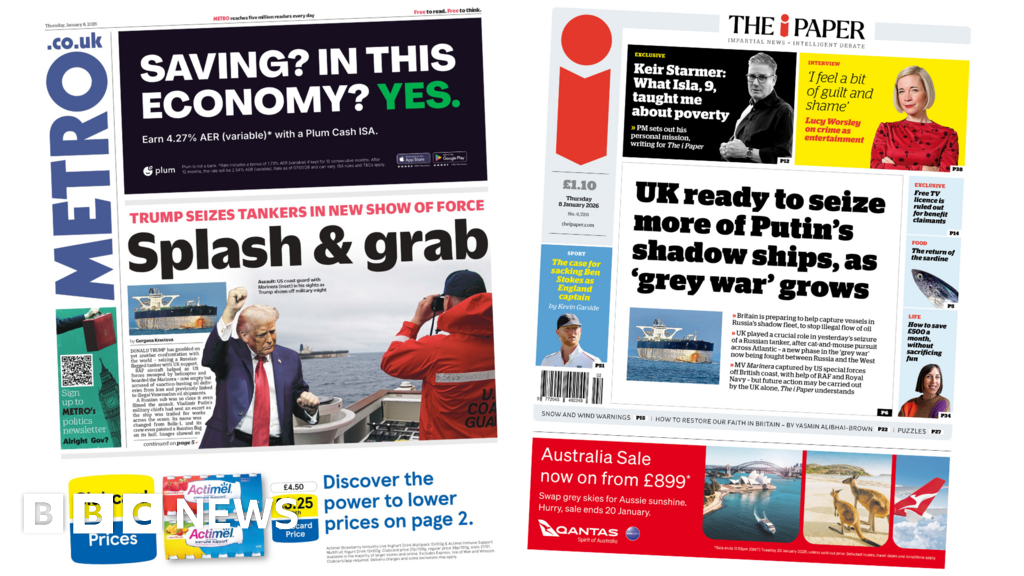
The United Kingdom is set to intensify its maritime operations by targeting additional Russian vessels as part of its ongoing response to the conflict in Ukraine. This announcement was made by UK Foreign Secretary James Cleverly, who emphasized the UK’s commitment to uphold international law and support Ukraine against Russian aggression.
In a statement released on March 3, 2024, Cleverly indicated that the UK has successfully seized several Russian ships since the onset of the conflict in 2022. The UK government is poised to expand its efforts, aiming to deter any attempts by the Russian Federation to exploit international waters. “We will not allow Russian aggression to go unchallenged,” Cleverly noted, reinforcing the UK’s determination to protect maritime security.
Seizure Operations and Legal Framework
Under existing EU sanctions, the UK has the legal authority to seize assets linked to individuals and entities connected to the Russian government. Maritime authorities in London have been actively monitoring Russian vessels, ensuring compliance with these sanctions. Cleverly explained that these operations are not merely punitive but also serve to safeguard the integrity of international maritime laws.
As part of this strategy, the UK has collaborated with NATO allies and other international partners to enhance surveillance and enforcement capabilities in critical shipping routes. This collective approach aims to prevent the movement of sanctioned goods and to hold accountable those who violate international agreements.
The UK has already put its plans into action by seizing a number of Russian ships in recent months. The ongoing operations have underscored the UK’s proactive stance in the face of escalating geopolitical tensions. The government remains vigilant, prepared to act swiftly against any vessels suspected of breaching sanctions.
Implications for International Trade
The UK’s actions come amid growing concerns over the safety of maritime trade routes due to the ongoing conflict. By targeting Russian ships, the UK aims to send a clear message to other nations about the consequences of supporting Russian interests. Analysts suggest that these actions could have broader implications for international trade, particularly in the energy sector, where Russian vessels have been active.
The maritime industry is closely monitoring the situation, as increased seizures could disrupt shipping schedules and affect global supply chains. The UK’s stance reflects a broader commitment to ensuring that international waters remain free from unlawful activities, particularly those linked to state-sponsored aggression.
In conclusion, the UK’s decision to seize more Russian ships marks a significant escalation in its efforts to combat Russian aggression and uphold international law. As the situation evolves, the implications for global maritime trade and international relations will continue to unfold, with the UK positioned at the forefront of this critical issue.