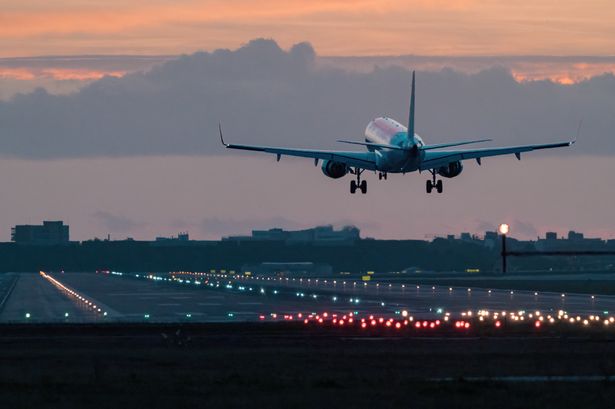
The ongoing conflict in the Middle East has severely disrupted air travel, leading to widespread cancellations and delays. Airports across various countries, including popular destinations such as Egypt, Dubai, and Cyprus, are grappling with the fallout from escalating tensions involving the US, Israel, and Iran. Many British tourists are currently stranded abroad, with authorities urging them to stay informed and safe.
Current Travel Advisories and Flight Status
According to the UK Foreign Office, all but essential travel to the United Arab Emirates (UAE), Qatar, and Bahrain is now discouraged. Flights to and from key cities like Dubai and Abu Dhabi have been almost entirely suspended, with most aviation activity focused on military and cargo operations. British nationals planning to travel to these destinations should contact their airlines immediately to understand their options.
In contrast, flights to and from Cyprus, Egypt, and Turkey are continuing but are likely to face delays or cancellations. The situation remains fluid, and travelers should remain vigilant and prepared for changes.
The Foreign Office has issued specific guidance for British nationals in the UAE, advising them to “remain indoors in a secure location, avoid all travel, and follow instructions from local authorities.” This warning follows a recent increase in security tensions in the region.
Impact on Airlines and Repatriation Efforts
Several airlines have adjusted their schedules in response to the crisis. Emirates is expected to operate limited flights to the UK this week, including two to Heathrow, one to Gatwick, and one to Manchester. These flights will utilize A380 aircraft, which can accommodate up to 615 passengers. Etihad Airways has announced one flight from Abu Dhabi to Heathrow, while Qatar Airways continues to suspend operations due to airspace closures.
British Airways has cancelled its scheduled flights from Abu Dhabi, Amman, Bahrain, Doha, and Dubai, although one flight from Muscat, Oman, is set to operate. Virgin Atlantic has also scrapped a flight from Dubai to Heathrow.
Travelers connecting through disrupted airports, such as Abu Dhabi, should check with their airlines for potential impacts on their itineraries.
British nationals currently stranded in the Gulf region are advised to follow local authorities’ guidance and await further instructions regarding repatriation flights, which will be limited in capacity. Travelers should refrain from making independent evacuation plans until they are contacted by British consular staff.
Understanding Your Rights and Cruise Disruptions
If you find yourself affected by flight cancellations, it is crucial not to cancel your ticket voluntarily, as this may forfeit your rights to a refund or rebooking under UK air passenger regulations. Instead, wait for the airline to officially cancel the flight. Travelers are encouraged to review their travel insurance policies, as many standard plans cover emergency medical expenses but may exclude costs arising from acts of war.
The cruise industry is also feeling the impact, with thousands of passengers stranded in Middle Eastern ports. Companies like TUI Cruises have reported that ships such as the Mein Schiff 4 and Mein Schiff 5 are currently docked and awaiting further updates on their ability to depart. The MSC Euribia remains in Dubai under strict security measures, with all embarkations suspended indefinitely.
TUI Cruises has stated that they are closely monitoring the evolving situation and following guidance from the UK Foreign, Commonwealth & Development Office (FCDO).
As the situation develops, travelers are encouraged to stay informed through official channels and remain flexible in their travel plans.