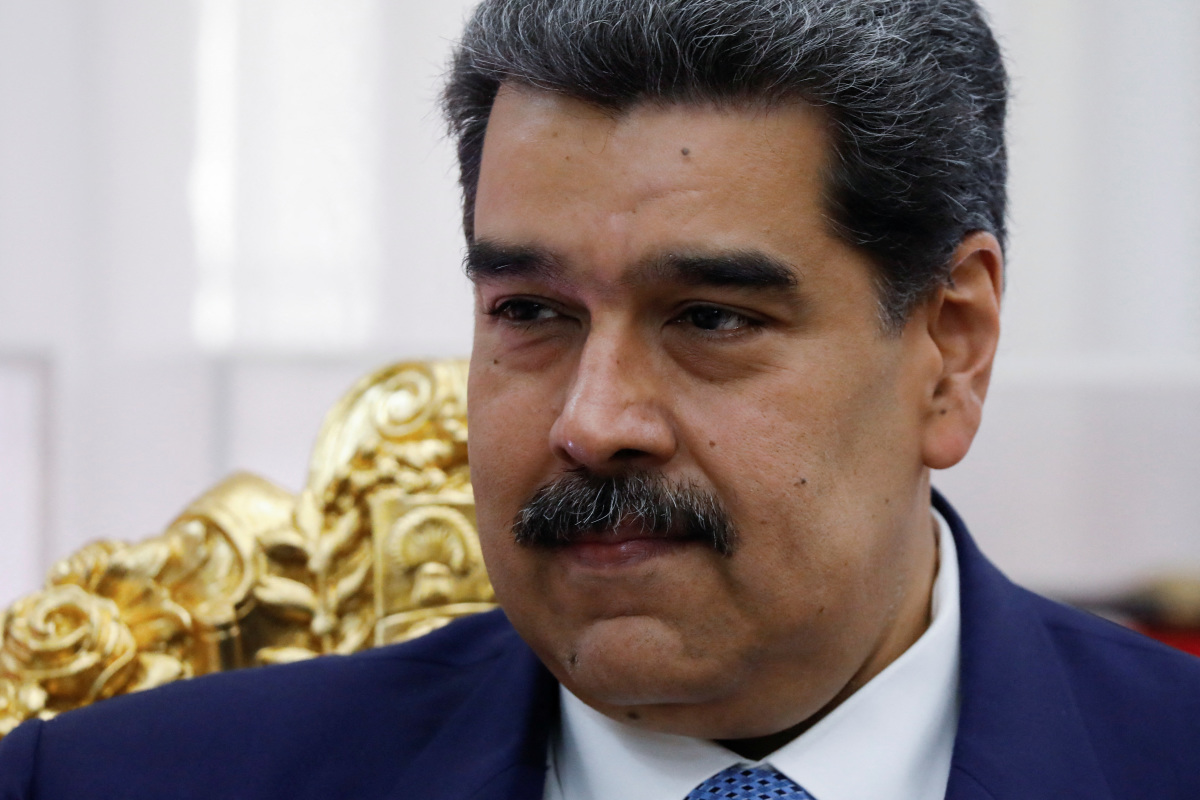
In a dramatic escalation of military engagement, the United States launched a substantial operation in Venezuela on January 3, 2026. The swift military action resulted in the capture of President Nicolás Maduro and his wife, as explosions rocked Caracas and other regions across the country. The operation, which Trump described as a “large scale strike,” represents a significant shift from prior strategies focused on drug trafficking routes to direct action against national leadership.
Shortly after the operation commenced, President Donald Trump took to social media to confirm the United States’ actions. He stated that Maduro and his wife had been “captured and flown out of the country” as part of an initiative conducted “in conjunction with US law enforcement.” The announcement marked a pivotal moment in the ongoing tensions between Washington and Caracas, with verified footage revealing explosions and military activity lighting up the night sky.
Venezuelan authorities quickly reacted to the news. Acting Vice-President Delcy Rodríguez demanded “proof of life” for Maduro and his wife, whose current status remains uncertain. Reports indicated streets in Caracas were partially deserted, with local power outages contributing to a tense atmosphere. Rodríguez urged Venezuelans to unite in defense of their homeland, stating, “Nicolás Maduro’s instructions have been given. Let us go out to defend our homeland.”
Background to the Military Operation
The military strike was the culmination of months of intensified U.S. operations aimed at Venezuela. Since August 2025, the Biden administration had increased military pressure, framing its actions as part of a broader counter-narcotics campaign. This included deploying warships and thousands of troops to the Caribbean Sea, establishing one of the largest military presences in the region since the 1962 Cuban Missile Crisis. Known as Operation Southern Spear, the operation involved air and naval strikes against vessels linked to drug trafficking, culminating in a land strike in December 2025 against a dock facility in Venezuela.
Critics of the operation have raised concerns about its legality under U.S. law. Questions linger regarding whether Congress was consulted before such extensive military action, as mandated by the War Powers Resolution.
International Reactions and Implications
The Venezuelan government has responded defiantly to the U.S. military operation. Defence Minister Vladimir Padrino López characterized the U.S. actions as “the most criminal military aggression,” accusing Washington of seeking regime change to exploit Venezuela’s natural resources. Caracas has called upon its citizens to resist what it terms “imperialist aggression.”
Internationally, reactions have varied. Countries such as Cuba and Iran condemned the U.S. intervention, while neighboring states like Colombia have expressed concern over the potential for regional destabilization. The Organisation of American States and the United Nations have been urged to convene emergency meetings to address the situation.
As the situation unfolds, the potential for a Venezuelan counter-response remains a critical concern. Analysts warn that loyalist militias and elements within the armed forces may react violently to the strike. Venezuelan officials have previously indicated their commitment to defending national sovereignty, with large reserve militias organized through the Bolivarian Militia program on standby.
The coming weeks will likely be telling in determining whether this military action signifies the beginning of a protracted conflict or a new chapter in U.S.-Venezuelan relations. The world watches closely as the implications of this bold operation continue to unfold.