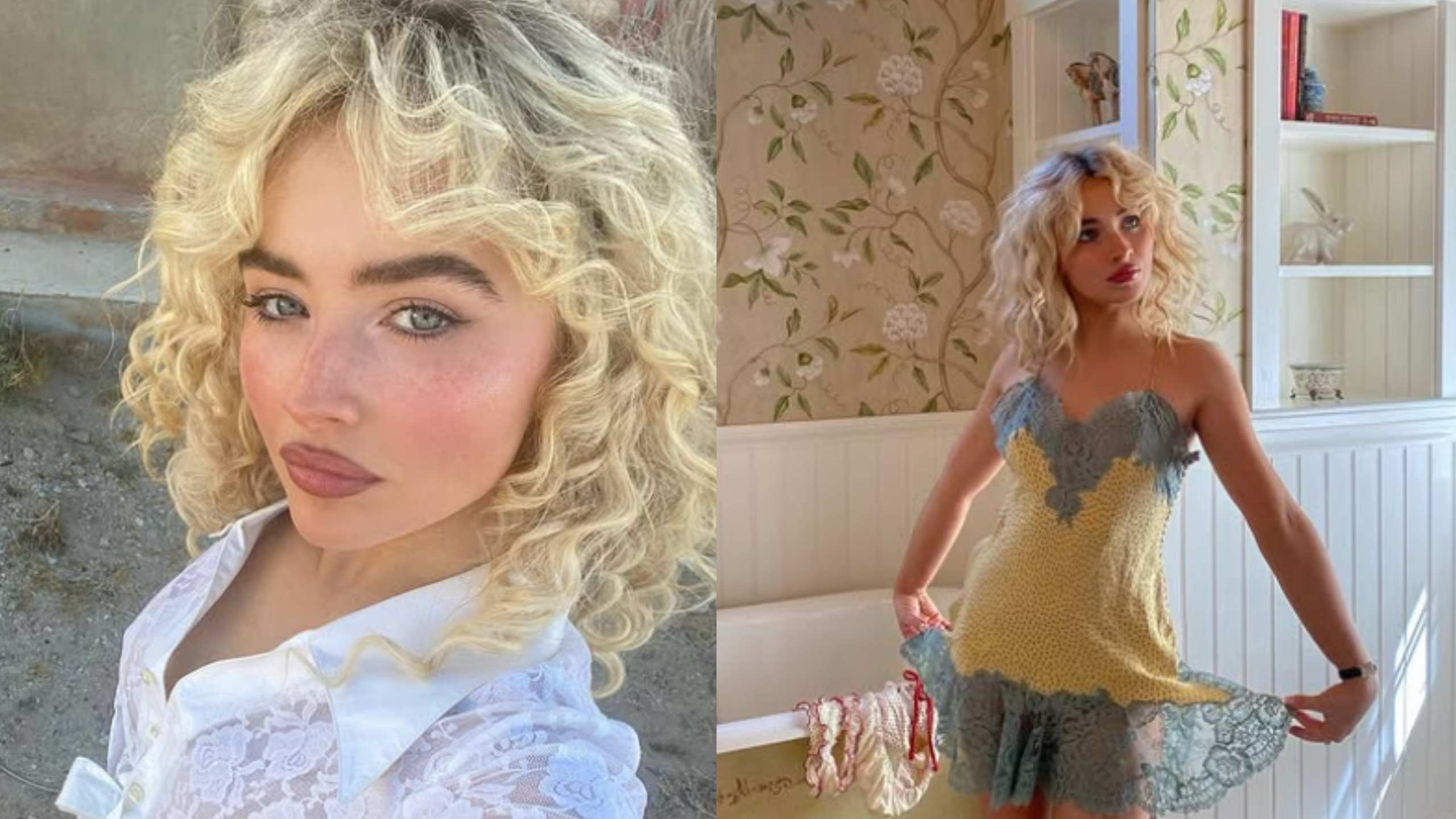
The White House has removed a controversial video featuring Sabrina Carpenter‘s song “Juno” following the singer’s strong objection. The video, which was posted on the White House’s official account on X, displayed footage of U.S. Immigration and Customs Enforcement (ICE) agents detaining immigrants while Carpenter’s upbeat track played in the background. The accompanying caption referenced a lyric from the song, which many viewers found to be an inappropriate juxtaposition.
Carpenter expressed her disapproval directly on social media, stating, “This video is evil and disgusting. Do not ever involve me or my music to benefit your inhumane agenda.” Her condemnation resonated widely, leading to significant backlash against the administration’s use of her music. Supporters praised Carpenter for her stance, with some suggesting that the White House should face legal consequences for using her song without permission.
Critics of Carpenter’s reaction, including some supporters of former President Donald Trump, questioned her characterizations of the video. One critic remarked, “Sabrina, you were quick to label a video evil and inhumane, yet you’ve shown no interest in the American women murdered by illegal aliens. Their suffering never gets a word from you.” This sparked further debate about the role of artists in political discourse.
Growing Conflict Between Artists and Political Messaging
This incident with Carpenter is not isolated. In recent months, a series of artists have protested against the unauthorized use of their music in videos promoting controversial policies. In November 2023, Olivia Rodrigo expressed her discontent with the White House after her song “All American Bitch” was featured in a migrant-focused video. She urged the administration to refrain from using her music to promote what she described as “racist and hateful propaganda.”
Similarly, Jess Glynne voiced her discomfort over the use of her hit song “Hold My Hand” in a video centered on ICE activities, describing the experience as making her feel “sick to her stomach.” These instances reflect a broader trend where artists are increasingly vocal about their opposition to the exploitation of their work in political contexts.
The White House’s approach to using popular music in its messaging has drawn criticism, illuminating a conflict between artists’ rights and the political strategies employed by the administration. As artists like Carpenter and Rodrigo speak out, it raises questions about the ethical implications of utilizing creative work to support contentious policies.
The removal of Carpenter’s song from the video marks a significant moment in this ongoing dialogue, highlighting the power of artists to shape public discourse and hold political entities accountable for their choices. As more musicians assert their rights, it is likely that this conflict will continue to evolve, prompting further discussions about the intersection of art and politics in society.