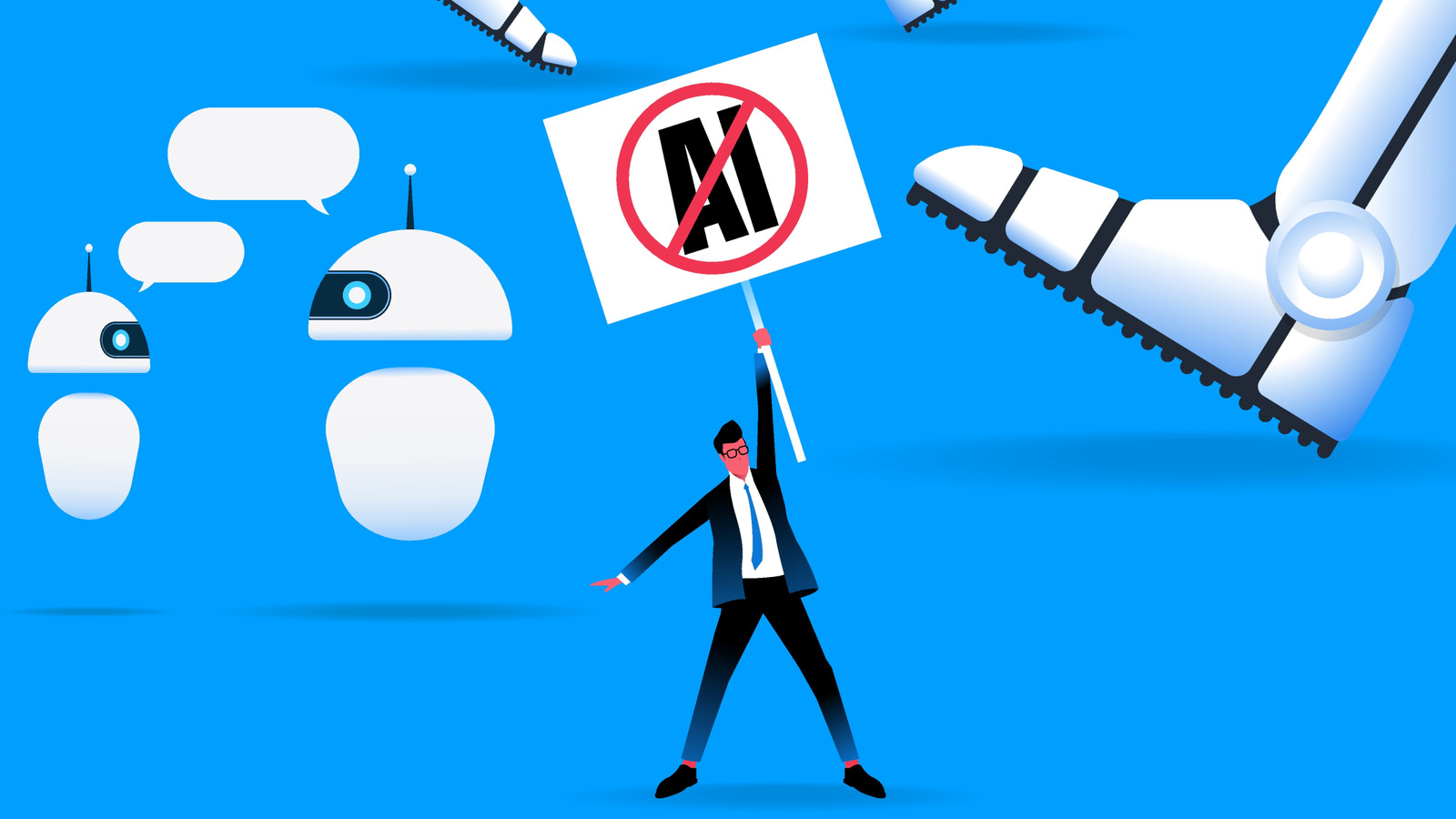
Recent findings highlight the evolving role of artificial intelligence (AI) in various professional domains, from coaching practices to workplace dynamics. As organizations adapt to new technologies, issues surrounding leadership, decision-making, and employee engagement are coming to the forefront.
AI Enhances Coaching While Preserving Human Connection
AI is increasingly being integrated into coaching to help practitioners streamline administrative tasks and enhance reflective practices. The aim is to ensure that coaches do not transform into “prompt jockeys,” but instead use AI to support structured elements of coaching. The focus remains on maintaining human judgment in relational, ethical, and contextual matters.
The upcoming Digital and AI Coaches’ Conference, taking place online next month, aims to explore these themes further. The conference will serve as a platform for coaches to share insights on how to effectively incorporate AI into their practices while preserving the essential human elements of coaching.
Leadership Skills Lacking Among Front-Line Supervisors
A significant report from Gallup reveals that only 30% of front-line supervisors believe they were promoted based on their supervisory skills or experience. Instead, 65% reported being elevated due to performance or tenure in non-supervisory roles. This lack of formal supervisory training is linked to lower engagement levels, with 31% of those promoted based on performance feeling disengaged compared to 42% of those who received proper training.
Training programs specifically designed for supervisory skills have shown to have a positive impact; supervisors who underwent such training in the past year reported 79% higher engagement levels. They also experienced 19% lower rates of burnout and were 11% less likely to seek new employment.
Decision-Making Challenges in December and January
A recent study in the UK has uncovered a pattern of ineffective decision-making that often occurs at the end of the year. Commissioned by the authors of The Uncertainty Toolkit, the research indicates that uncertainty drives delays in December and leads to rushed decisions in January. This pattern often results in rework and regret among employees.
The survey, which included responses from employed adults aged 25 to 55, found that the root of the issue lies not in the uncertainty itself but in how individuals respond to it. As organizations strive for efficiency, understanding these dynamics is crucial for improving workplace productivity.
AI Outperforms Humans in Creativity Tests
In a groundbreaking study, generative AI models such as GPT-4 have demonstrated superior performance compared to the average human on certain creativity assessments. The study, which involved over 100,000 participants, revealed that while AI can excel in tasks measuring original thinking and idea generation, the most creative humans—particularly those in the top 10%—still surpass AI in more complex creative endeavors, such as poetry and storytelling.
These findings challenge perceptions of AI’s capabilities and underscore the importance of human creativity in certain contexts.
Shift Away from Traditional Career Paths
Research from Randstad indicates that many workers are reevaluating their career trajectories, with a growing number rejecting the traditional career ladder in favor of “portfolio careers.” The survey of over 27,000 individuals revealed that only 41% wish to pursue a conventional career path. Similarly, 72% of 1,225 employers surveyed agreed that the linear career ladder is becoming obsolete.
This shift reflects a broader trend towards diversified income sources and flexible career arrangements, as workers seek greater autonomy and job satisfaction.
Disrespect and Misconduct on the Rise
Gallup’s latest findings reveal a concerning decline in workplace respect, reaching a record low in 2025. This decline is mirrored by a significant increase in discrimination claims, with the Equal Employment Opportunity Commission (EEOC) securing a record $700 million in settlements for victims of workplace discrimination in 2024.
New research from TalentLMS highlights the stark realities employees face regarding workplace protection. While 71% of U.S. employees feel relatively secure at work, only 38% reported not witnessing any form of misconduct or mistreatment. This disparity points to a critical need for organizations to address systemic issues that undermine employee well-being.
Nvidia’s Perspective on AI Infrastructure
Amid growing skepticism about the sustainability of AI investments, Nvidia CEO Jensen Huang recently asserted that current capital expenditures represent “the largest infrastructure build-out in human history.” Speaking at the Davos conference, Huang countered concerns about an AI bubble, emphasizing the transformative potential of ongoing investments in AI technology.
As these trends unfold, organizations must navigate the complex interplay between human skills and emerging technologies. Understanding the implications of AI—both in coaching and broader workplace dynamics—will be essential for fostering sustainable and productive work environments.