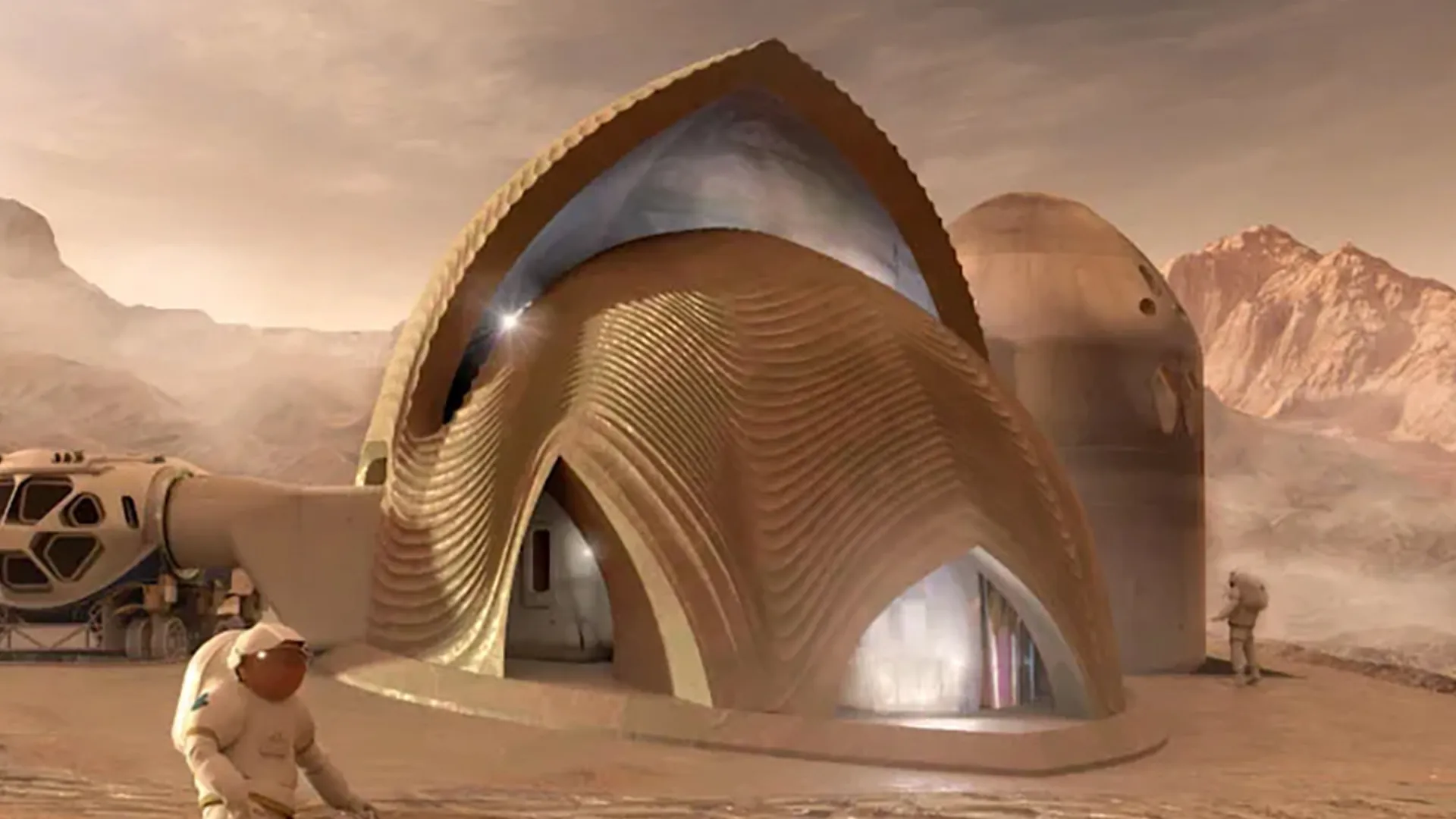
Researchers have discovered a promising duo of bacteria that could transform Martian dust into a versatile building material, potentially paving the way for human colonization of the Red Planet. This breakthrough could significantly aid future settlers as they look to establish sustainable habitats on Mars.
The bacteria, identified in a study published in the journal *Nature*, demonstrate the ability to bind Martian regolith, the fine dust covering the planet’s surface. By using these microorganisms, scientists believe it may be possible to create structures that are not only robust but also environmentally friendly. Such advancements could play a crucial role in long-term human habitation on Mars, which has been a key objective for space agencies worldwide.
Innovative Approach to Space Construction
The research team, led by scientists from the European Space Agency, focused on the unique properties of these bacteria, which thrive in extreme conditions similar to those found on Mars. By leveraging these organisms, they aim to develop a method of in-situ resource utilization, allowing colonists to use local materials for construction rather than relying on supplies transported from Earth.
Mars’s atmosphere is harsh, with temperatures dropping as low as -125 degrees Celsius in winter. This poses significant challenges for building structures that can withstand the elements. The use of bacteria to solidify Martian dust offers an innovative solution, potentially reducing the cost and logistical challenges associated with transporting traditional building materials.
Implications for Future Missions
The potential for using these bacteria in construction aligns with the aspirations of various space agencies, including NASA and the International Space Station program, which are currently planning missions to Mars in the 2030s. By establishing a sustainable building method, future missions could focus on creating habitats that provide safety and comfort for astronauts and settlers.
Moreover, this development could have applications beyond Mars. The same technology may be used on the Moon, where similar dust conditions exist. With the ongoing interest in lunar bases, this research could have far-reaching implications for human presence on both celestial bodies.
The study highlights not only the scientific possibility of using bacteria in construction but also underscores the importance of investing in research that addresses the challenges of space colonization. As humanity inches closer to making a permanent mark on other planets, innovations like this will be essential.
In summary, the emergence of these bacteria as a potential building solution represents a significant step forward in humanity’s quest for extraterrestrial habitation. As research continues, the dream of living on Mars may soon transition from science fiction to reality, setting the stage for a new chapter in human exploration.