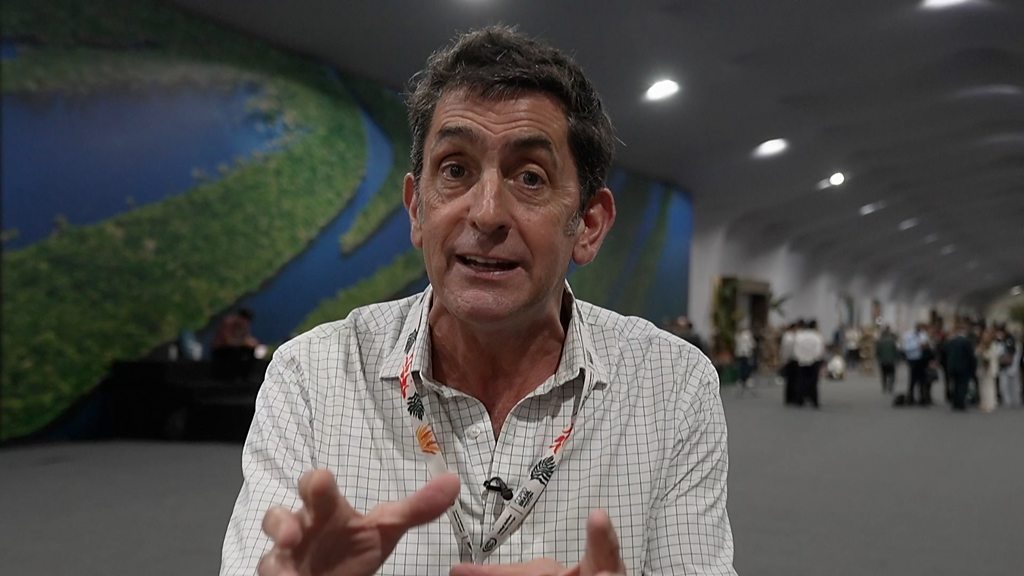
The 30th Conference of the Parties (COP30) concluded on November 18, 2023, in Glasgow, marking a significant moment in global climate diplomacy. Delegates from nearly 200 nations gathered to discuss strategies aimed at combating climate change and to assess the progress made since the last summit. The conference generated a renewed commitment to achieving ambitious climate targets while addressing the urgent need for action to mitigate the effects of climate change.
During the two-week meeting, participants engaged in intense negotiations to finalize agreements that would influence climate policy worldwide. Among the key outcomes was a pledge to enhance financial support for developing nations. The agreement includes a commitment to mobilize at least $100 billion per year to assist these countries in their climate adaptation and mitigation efforts. This financial backing aims to empower vulnerable nations in combating the adverse impacts of climate change.
Key Highlights from COP30
The conference featured a series of high-profile speeches from world leaders, emphasizing the need for immediate and collective action. Antonio Guterres, the Secretary-General of the United Nations, underscored the gravity of the climate crisis and called for a rapid transition to renewable energy sources. He highlighted that the window for action is narrowing and that the time for promises has passed.
Several nations announced new initiatives during the conference. For instance, Germany committed to doubling its financial contributions to climate adaptation projects, while Canada unveiled a plan to phase out coal-fired power plants by 2030. These announcements reflect a growing consensus among nations to take bold steps toward reducing greenhouse gas emissions.
Another significant aspect of COP30 was the focus on innovative technologies. Delegates discussed the role of emerging technologies in tackling climate change, including carbon capture and storage, which could play a crucial role in reducing emissions from heavy industries. The conference also highlighted the importance of sustainable agriculture and reforestation initiatives, which are vital for enhancing carbon sinks.
Challenges and Future Directions
Despite the progress made, challenges remain. Many delegates expressed concerns about the implementation of climate commitments. Developing nations continue to call for more robust mechanisms to ensure that financial pledges are met and that technology transfers occur effectively. The lack of accountability in previous agreements has left some nations skeptical about future commitments.
Looking ahead, the next conference, COP31, is set to take place in 2025, and it will be crucial for maintaining momentum. As countries return home, there is a pressing need for them to translate the commitments made at COP30 into national policies. The success of these efforts will ultimately depend on the collaboration between governments, businesses, and civil society.
The conclusion of COP30 signifies not just the end of a conference, but a pivotal moment in the global fight against climate change. The ambitious goals set forth highlight the international community’s recognition of the urgent need for action. As nations move forward, the focus will be on tangible outcomes that can lead to a more sustainable future for all.