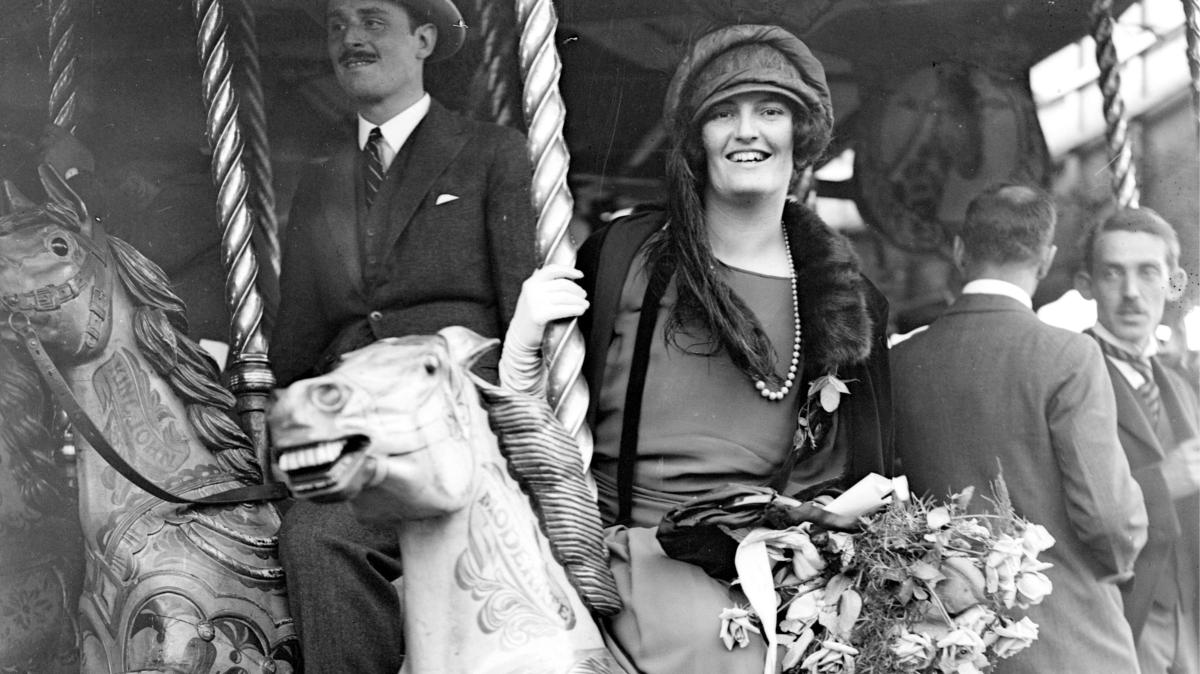
A fascinating exploration of heredity has emerged from a recent feature in *The Sunday Times*, dated December 20, 1925. The article highlights the daughters of Lord Curzon, who served as the British Viceroy of India from 1899 to 1905. This examination presents them as striking examples of inherited traits, showcasing the influence of lineage within the British aristocracy.
The portraits featured in the publication depict the sisters in elegant attire, embodying the characteristics associated with their distinguished lineage. The article discusses how their physical attributes and demeanor reflect their noble heritage, sparking interest in the role that genetics plays in shaping identity, particularly among the upper classes.
Insights into the Curzon Legacy
The daughters, known for their grace and poise, have garnered attention not only for their looks but also for their upbringing and education. Born into a prominent family, they represent the legacy of Lord Curzon and his wife, Mary Curzon, who was known for her influence in social and charitable activities. Their upbringing was marked by the expectations that accompany aristocratic status, emphasizing the importance of both appearance and intellect.
The article notes that their life experiences are an extension of their father’s impactful tenure in India, where he implemented significant reforms. This connection adds an additional layer to their identities, as the daughters are seen as living embodiments of the Curzon family’s history and contributions to British society.
The Broader Implications of Heredity
This exploration raises broader questions about the relationship between heredity and societal roles. As the daughters of a notable figure, they are subjected to public scrutiny, which often aligns with prevailing notions of beauty and privilege. The portrayal of the Curzon sisters serves as a case study in how aristocratic families navigate the complexities of their lineage in the public eye.
The interest in their lives underscores the ongoing fascination with heredity and its implications for contemporary society. This feature in *The Sunday Times* not only highlights the Curzon sisters but also invites readers to reflect on the lasting impact of ancestry and the traits passed down through generations.
The article concludes by asserting that the story of Lord Curzon’s daughters is emblematic of a larger narrative regarding the interplay of genetics, society, and individual identity. Their lives continue to captivate public interest, reminding us of the intricate connections between lineage and the roles individuals play within the fabric of history.