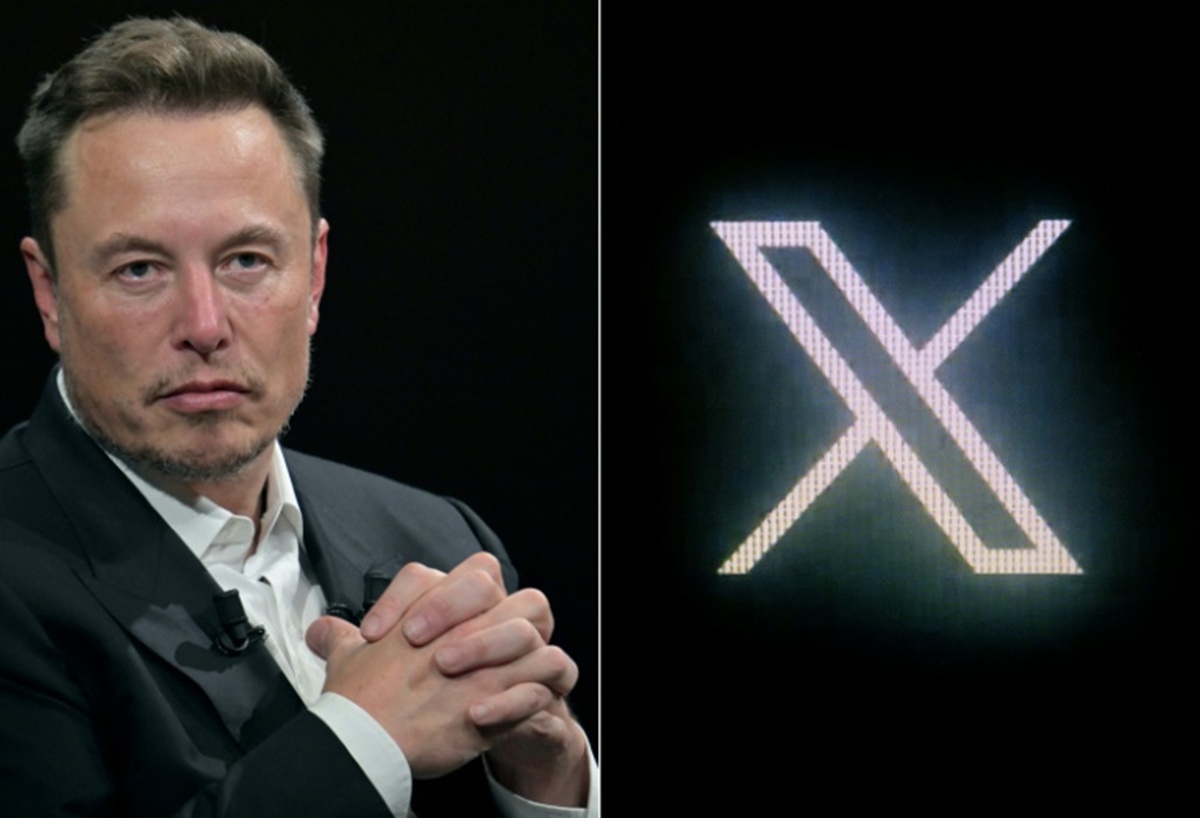
Elon Musk has stated that overcoming human death through advancements in longevity is an attainable goal, describing it as an “extremely solvable problem.” During a discussion on the *Moonshots* podcast with host Peter Diamandis on January 6, 2024, Musk argued that the synchronized aging process of the human body points to a biological mechanism that can be understood and potentially manipulated.
Musk’s declaration marks a notable shift from his previous views on longevity technologies. In 2022, he cautioned against pursuing radical longevity advancements, suggesting that such efforts could lead to societal stagnation. “Most people don’t change their mind. They just die. So if they don’t die, we will be stuck with old ideas and society wouldn’t advance,” Musk explained at that time. His latest comments indicate a newfound confidence in the capabilities of artificial intelligence and biotechnology to address the challenges he once highlighted.
During the podcast, Musk shared that he recently underwent an MRI scan and uploaded the results to Grok, his AI company, for analysis. Neither the AI nor his medical professionals identified any concerning issues. This willingness to use AI for personal health insights demonstrates Musk’s growing commitment to harnessing technology for a better understanding of human biology.
Collaboration with Fountain Life
The conversation took an intriguing turn when Diamandis proposed collaboration with Fountain Life, a longevity company he co-founded. The company offers “AI-guided diagnostics” and health monitoring, which includes comprehensive uploads of personal health data, such as genome sequencing and medical imaging. According to Diamandis, “We do a 200-gigabyte upload of you, everything knowable about you.”
Musk’s pivot towards longevity research aligns him with other tech billionaires investing in anti-aging initiatives. Amazon founder Jeff Bezos has backed Altos Labs, focused on cell revitalization, while Google founders Larry Page and Sergey Brin founded Calico Labs to investigate aging causes. Meanwhile, PayPal co-founder Peter Thiel and Oracle’s Larry Ellison have also made substantial contributions to immortality research.
Scientific Perspectives on Longevity
Despite Musk’s optimism, scientific opinions on the feasibility of extending human life through technology remain divided. Dr. João Pedro de Magalhães, Chair of Molecular Biogerontology at the University of Birmingham, has estimated that if aging and related diseases were eradicated, the average human lifespan could reach 1,200 years. His calculations are based on a mortality rate of 0.0005 deaths per 100,000 people annually in developed nations, suggesting that only accidents and non-age-related illnesses would pose threats to life.
Musk’s argument draws support from instances in nature where extreme longevity is observed. For example, Bowhead whales can live for up to 200 years with low cancer rates, while Greenland sharks have been found to reach ages of 400 to 500 years, attributed to their slow metabolism and effective antioxidant systems.
Research published in December 2025 highlighted advancements made by scientists who engineered mice with enhanced mitochondrial proteins. This manipulation resulted in longer lifespans, improved metabolism, and reduced inflammation, suggesting that cellular alterations could serve as a key to longevity.
Aubrey de Grey, founder of the SENS Research Foundation, has long advocated for “engineered negligible senescence,” aiming to target various types of cellular damage, including cell loss and the accumulation of mutations. He emphasizes a more nuanced view on aging, stating, “I’ve always been uncomfortable with the term ‘anti-aging.’ Aging is a natural, universal process.”
Ethical Considerations and Future Implications
Musk’s public endorsement of longevity research could significantly boost funding and interest in anti-aging science. Nonetheless, bioethicists express concerns that such investments might exacerbate social inequalities. Christopher Wareham, a bioethicist, warned, “Suppose, for example, we had a kind of vaccine for the pandemic of age. This is going to potentially exacerbate all the kinds of existing inequalities that we have.”
The implications of Musk’s enthusiasm for longevity research are profound, potentially reshaping societal approaches to the age-old question of human mortality. As artificial intelligence, genetic engineering, and biotechnology converge, the tools to confront the challenges of aging may finally be within reach. Whether Musk’s vision for a future free from the constraints of aging will materialize remains to be seen, but his influence is likely to drive significant discourse and investment in this rapidly evolving field.