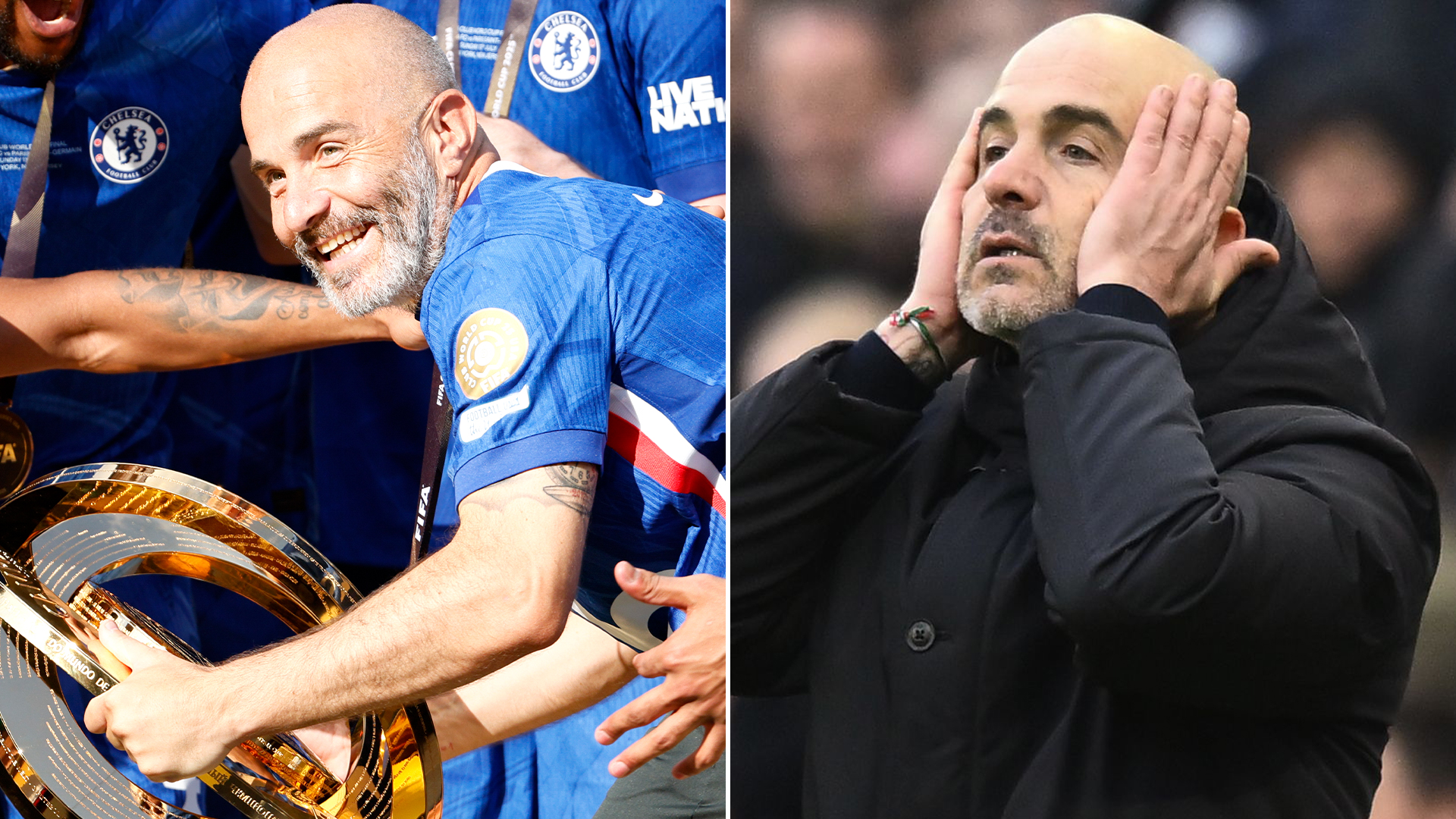
Chelsea’s recent victory in the Club World Cup has been viewed as a pivotal moment for the club, particularly for head coach Enzo Maresca. The team’s thrilling win against Paris Saint-Germain not only celebrated their status as world champions but also fueled ambitious expectations among the club’s leadership. Co-owner Behdad Eghbali and other executives believed this triumph validated their strategy of treating player acquisitions and sales akin to stock market transactions, aiming to construct a young and dynamic squad capable of competing at the highest levels, including the Premier League and the Champions League.
Yet, the victory inadvertently led to a miscalculation. Maresca interpreted the triumph as a signal to demand greater autonomy in shaping the squad. His vision included building a team capable of securing significant trophies rather than merely participating in high-profile matches. The reality, however, soon proved that both Maresca and Chelsea’s management had misjudged the situation.
Leadership Challenges and Coaching Turnover
The Chelsea coaching position has a long history of instability, with the previous regime under Roman Abramovich witnessing 12 permanent managers in just 19 years. Despite this, Maresca’s tenure, which lasted less than 19 months, makes him the longest-serving coach under the current ownership. His departure will mark the fifth managerial change since BlueCo took over in May 2022.
The ongoing turmoil raises questions about the club’s management rather than solely the coaches. Maresca was aware of the challenges when he accepted the role in June 2024. Only Thomas Tuchel, the coach at the time of BlueCo’s takeover, can claim not to have fully subscribed to the new regime’s philosophy. His successors, including Graham Potter and Mauricio Pochettino, were brought on board with the understanding they would operate within the club’s evolving recruitment strategy.
Maresca’s camp claims that essential agreements regarding his authority were breached, leading to escalating tensions with management over transfer policies. Such disputes are not uncommon in football; however, Chelsea’s enduring history of public disagreements between management and coaching staff has been particularly intense, influenced by the passionate personalities of past managers and Abramovich’s strict approach to performance.
A Shift in Club Culture and Expectations
Maresca’s swift decline echoes the tumultuous nature of Chelsea’s recent history. The club’s success during Abramovich’s era, which saw over £2 billion invested, was predicated on a commitment to winning. He transformed Chelsea into a powerhouse by acquiring young talent, focusing on both immediate success and long-term profitability through player development.
Today, under BlueCo’s leadership, there is a perception that the club has shifted its focus. Critics, including some fans, argue that the current strategy resembles more of a player trading enterprise than a traditional football club. Maresca felt he deserved recognition for achieving significant milestones in his first season, including a return to the Champions League and a victory in the revamped Club World Cup.
However, as results soured, the blame began to circulate among fans and within the club. Some directed their frustrations toward management, particularly co-sporting directors Paul Winstanley and Laurence Stewart, for their spending of over £1 billion on a squad that, despite its cost, lacked sufficient depth and experience. Others, including club executives, felt that Maresca was not maximizing the potential of the resources available to him.
As tensions escalated, Maresca made comments in press conferences that further strained his relationship with the club’s leadership. Ultimately, it became evident that Eghbali and his colleagues preferred to change their head coach rather than their overarching philosophy. This decision mirrors past trends at Chelsea, where the coaching position remains as volatile as ever.
The next individual to take on the Chelsea head coaching role will likely have to comply with the same constraints, leaving fans to wonder if a similar fate awaits. The club’s trajectory and management approach continue to evolve, and the implications for future leadership and success remain uncertain.