The opening of the 76th Berlinale has sparked significant controversy following comments made by renowned director and jury president Wim Wenders about the role of politics in art. At a press conference, Wenders asserted that there is no place for politics in art and that filmmakers should keep their distance from political issues. This statement has been interpreted by many as a call for apolitical art, particularly in a climate marked by global conflicts.
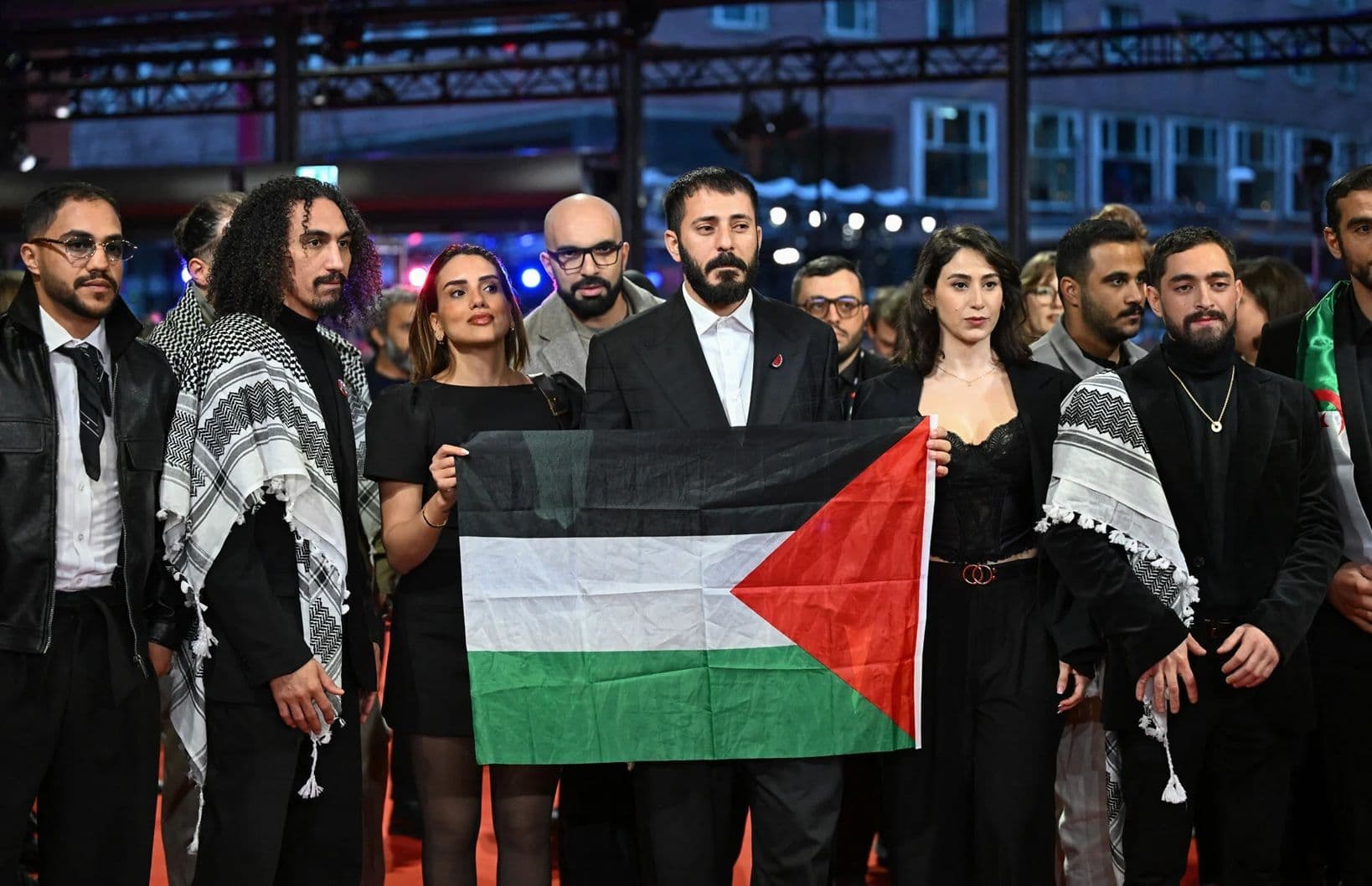
Wenders’ remarks have led to a wave of criticism and diverse interpretations. Notably, acclaimed author Arundhati Roy publicly resigned from Wenders’ jury, expressing her shock and dismay over his comments. The film magazine *Variety* reported that an open letter signed by 81 international film professionals accused the Berlinale of failing to take a clear stance on the ongoing conflict between Israel and Hamas. The signatories also criticized Wenders for censorship. Meanwhile, festival director Trisha Tatar faced backlash from German politicians for not preventing political speeches, which almost led to her dismissal during a crisis meeting with the supervisory board.
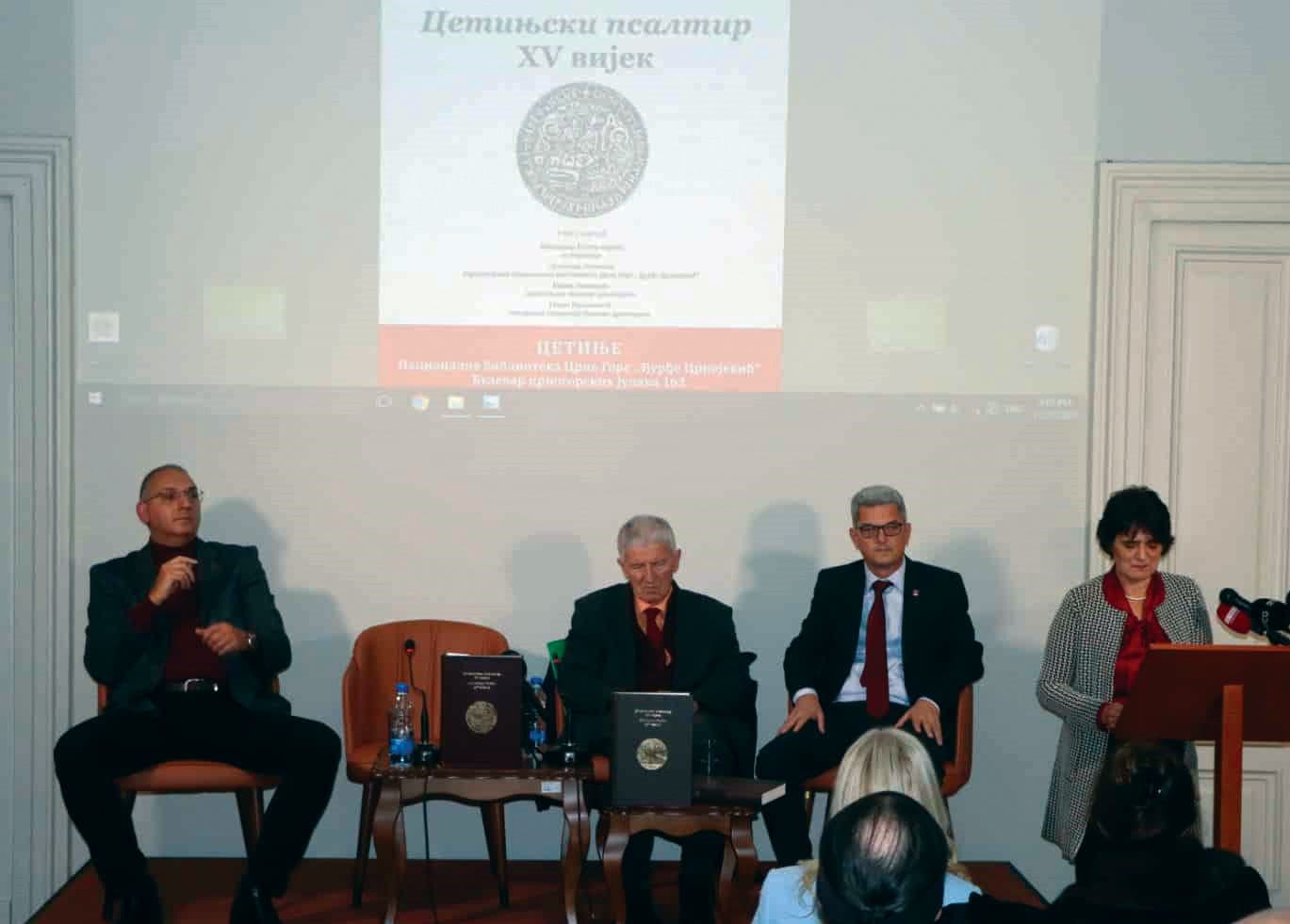
This “Berlin earthquake” has reignited discussions about the inseparability of aesthetics and ethics in art. It raises the question of whether artists can afford the luxury of neutrality in a world rife with injustice. To understand the implications of this debate, we reached out to several Montenegrin creators: director Gojko Berkuljan, visual artist Luka Lagator, and film critic Vuk Perovic.
Art and Politics: An Unavoidable Connection
Berkuljan believes Wenders’ statement was taken too literally and criticized its timing at a festival renowned for its politically charged films. He argues that Wenders seems to have defined “politics” narrowly, as a realm inhabited solely by politicians, devoid of empathy and humanity.
“Art understands human problems, pain, struggles, and fates,” Berkuljan explained. “In its purest form, it conveys all of this to the viewer with a degree of empathy that politics lacks.” He emphasized that politics, in a broader sense, encompasses all social causes and effects, making it nearly impossible to create something entirely free of political influence.
Berkuljan noted that Montenegrin art is deeply socially engaged. He pointed to the burgeoning Montenegrin hip-hop scene, where nearly every song reflects or draws inspiration from social phenomena. The same can be said for theater and literature, where social anomalies are consistently analyzed and commented upon.
“Every film produced in Montenegro in recent years addresses social issues, from consumerism to ecological problems,” he said. “Each narrative is framed through individual stories, giving a human touch to these social critiques.”
The Artist’s Role in Society
Lagator expressed a desire for artists to distance themselves from politics, especially when considering global political dynamics. He stated, “One could argue for a beautiful separation from politics. However, it is unrealistic to suggest that art should be completely divorced from political discourse.”
He believes that artists are expected to respond to societal events and that dismissing their role in this regard undermines their credibility. “Life teaches us that there is little space for idyllic creation when pressing realities abound,” he noted.
Lagator acknowledged that while the desire for art to be free from political influence is understandable, it is also a call for politics to cease being a driving force behind artistic creation. He emphasized that true art should not be antagonistic but should inspire people to reflect and strive for betterment.
He highlighted the recognition of Montenegrin artists on the global stage, particularly in caricature, film, and photography. Artists like Darko Drljevic have gained international acclaim, showcasing Montenegro’s standing in the art world.
Perovic, sharing similar sentiments, argued that Wenders’ comments were poorly timed and lacked sincerity, given his history of engaging with political themes in his work. He noted that the Berlinale, rooted in a politically turbulent era, has always embraced its “politicalness.”
“Art cannot exist outside of politics,” Perovic stated. “The festival has showcased powerful films addressing urgent global issues, and discussions surrounding these topics have been prominent in every press conference.”
He also pointed out the backlash faced by Tatar after the festival, when many artists spoke out about the Gaza conflict, prompting calls for accountability from German politicians. The film community rallied in her defense, highlighting the necessity of artistic autonomy in Berlin.
The consensus among these artists is that political engagement is inherent in the creative process. Berkuljan commented on the surreal political landscape in Montenegro, stating that it inevitably influences his work.
“The bizarre political environment we navigate leaves a profound mark on my films,” he said. “In a world where reality often surpasses fiction, this chaotic reality becomes a source of inspiration.”
The ongoing discourse on the intersection of art and politics emphasizes the need for artists to navigate their societal roles thoughtfully. While Wenders’ remarks may have sparked contention, they have also reignited essential conversations about the responsibilities of artists in a world filled with pressing social issues.