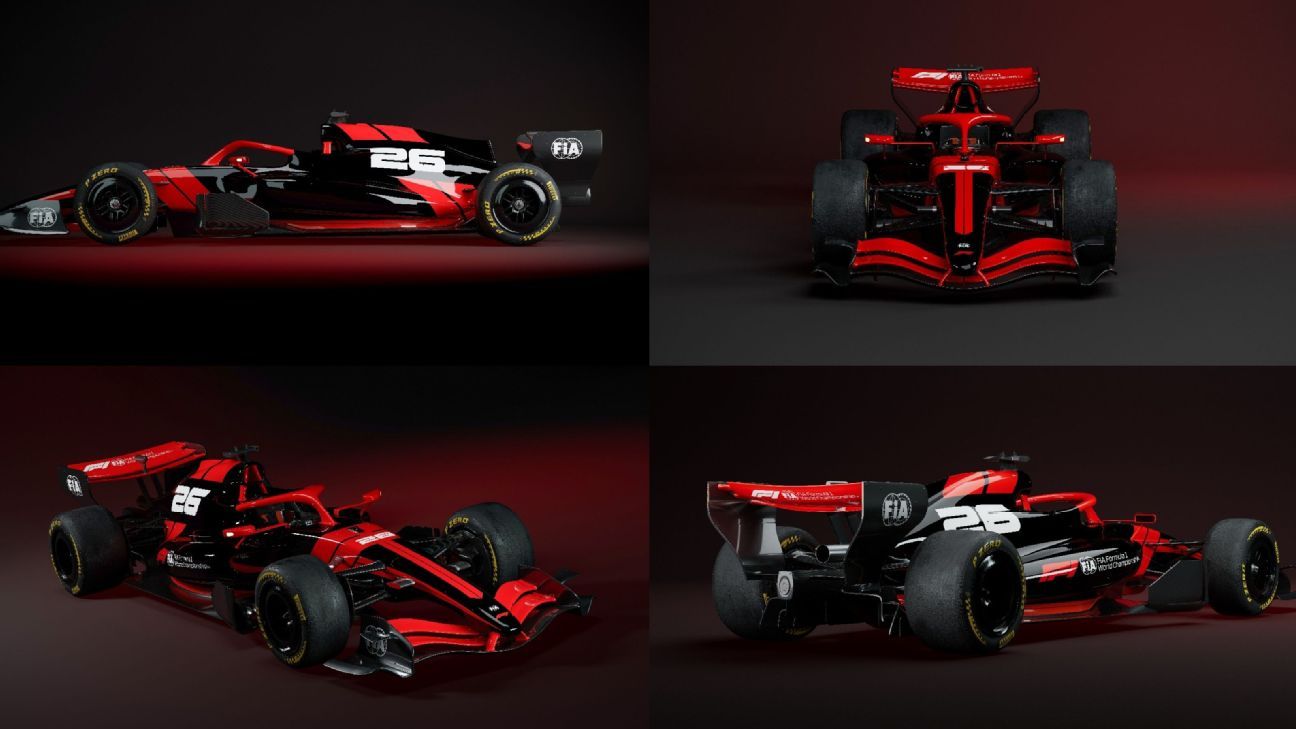
Formula 1 is set to introduce significant changes in its racing terminology ahead of the 2026 season. This overhaul comes as part of a comprehensive revamp of the sport, aiming to clarify the language used in racing and enhance the driver’s role on the track. The new terms are a result of collaboration between the Fédération Internationale de l’Automobile (FIA), teams, fans, and engineers, with a focus on simplifying jargon and ensuring that the language accurately reflects the drivers’ actions.
One of the most notable changes is the introduction of “Overtake Mode,” which replaces the previously used Drag Reduction System (DRS). Under this new system, when a driver is within one second of the car ahead, they can activate a power boost to aid in overtaking. Unlike DRS, which was limited to specific zones, Overtake Mode allows for more strategic deployment, enabling drivers to choose when to make their move during a race.
Another key feature is “Boost Mode.” This driver-operated tool allows racers to access maximum power from both the engine and the energy recovery system (ERS) by simply pushing a button at any point on the track. This capability can be used offensively to launch an attack or defensively to maintain position, adding a new dimension to racecraft, especially during head-to-head battles.
The cars will also feature dynamic adjustments to the front and rear wing elements, now termed “Active Aero.” This allows drivers to switch between “Corner Mode” and “Straight Mode” in designated high-speed sections, altering downforce and drag as needed. The adaptability of the wings optimizes grip in corners and enhances efficiency on straights.
Additionally, the term “Recharge” will describe the process by which drivers replenish their batteries during a race. Energy recovery will not only occur under braking but also during throttle lift at the end of straights and even through corners where partial power is applied. This conscious strategy will become a visible part of race tactics.
Key Changes to Car Design and Performance
The 2026 cars will undergo significant design alterations. They will be smaller, with wheelbases reduced by 200 mm, overall width shrunk by 100 mm, and floor width decreased by 150 mm. The minimum weight will also drop by 30 kg, setting a new standard at 770 kg. These modifications aim to make the cars more responsive and challenging to drive, emphasizing driver skill.
Ground-effect tunnels, which previously contributed to downforce, will be eliminated, leading to an overall downforce reduction of approximately 15-30%. Simultaneously, drag will see a substantial reduction of 40%. This combination is expected to facilitate closer racing while maintaining high straight-line speeds. The DRS will be phased out, replaced by fully movable wings that can shift between high- and low-downforce settings.
Tyres will also be modified, with the front tyres becoming 25 mm narrower and the rear tyres 30 mm narrower, reducing both drag and unsprung weight while keeping the 18-inch wheels.
Upcoming Season Timeline
The first race of the 2026 season is scheduled for March 6, 2026. Preparations for the new rules will commence well before the season starts. The “launch season,” where teams unveil their new designs, kicks off with Red Bull Racing‘s presentation on January 15. The first preseason test will take place behind closed doors in Barcelona from January 26 to 30, followed by traditional televised preseason tests in Bahrain on February 11-13 and February 18-20.
As Formula 1 gears up for this transformative season, the new terminology and regulations promise to enhance the excitement of racing, placing drivers at the forefront of the action.