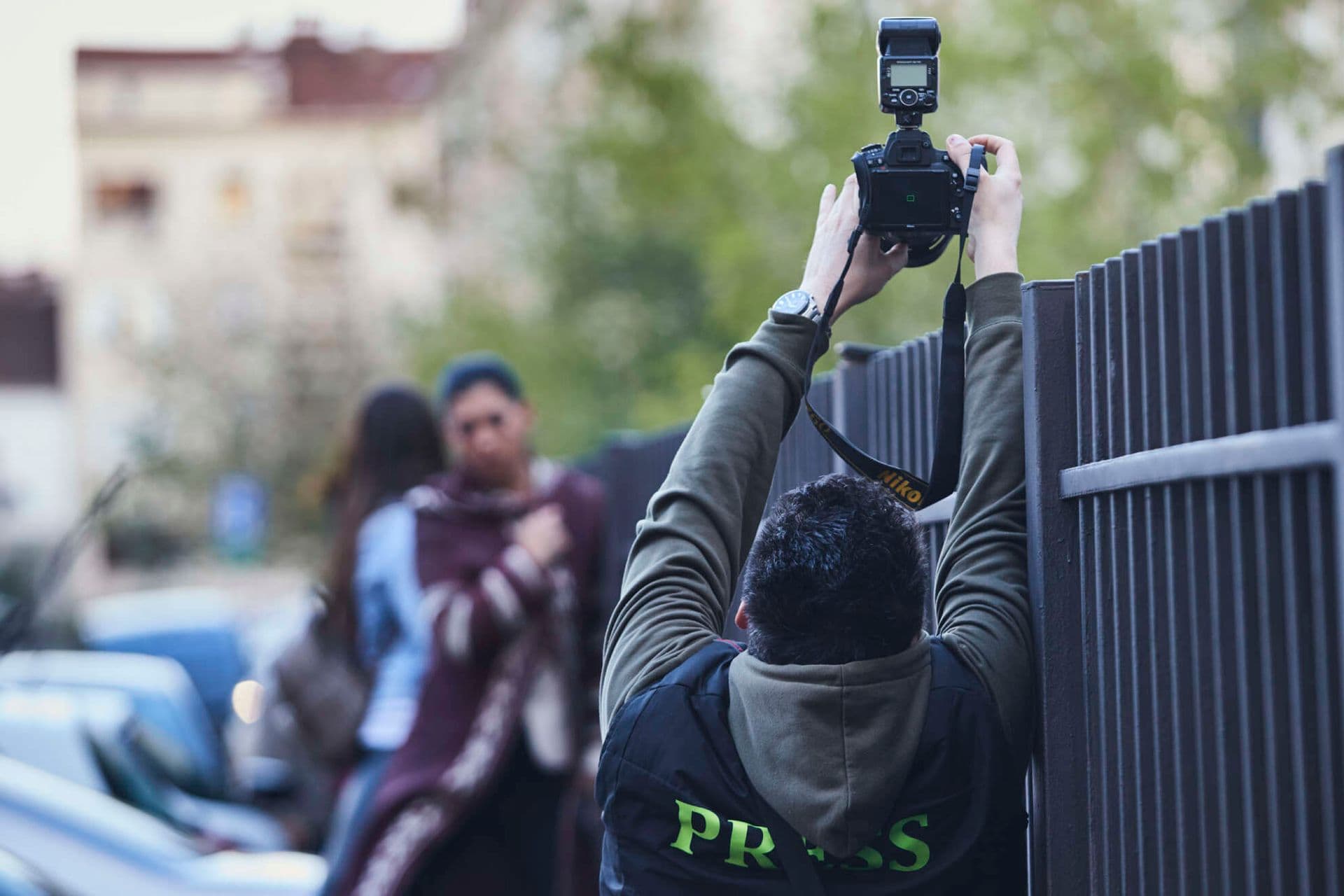
On January 23, journalists in Montenegro marked their Press Day with a call for better salaries and improved working conditions. A recent survey conducted by the Professional Journalists’ Society (DPNCG) revealed that many journalists feel undervalued, with average wages just above the minimum threshold. The findings indicate that only a small fraction, primarily within public services, benefit from collective agreements that secure above-average pay.
The survey highlighted that journalists experience their profession as a challenging commitment, despite facing low remuneration and escalating risks. According to the DPNCG, many journalists expressed the desire for recognition beyond symbolic gestures on designated days. They emphasized the need for daily acknowledgment of their demanding roles, which they describe as “poorly paid and stressful jobs of public importance.”
Many respondents indicated that low salaries have a direct impact on their daily work. While uninvestigated attacks on colleagues have not deterred their reporting efforts, they acknowledged the ongoing threat. Journalists stated that the challenges of the profession are well-known and that many had encountered violence or threats even before starting their careers. Some are aware of the risks involved and attempt to navigate them, yet they expect the government to provide a safer working environment.
The DPNCG survey also addressed the economic challenges faced by journalists. Many expressed a need for collaboration and solidarity within the industry, calling for a collective fight for their rights. The report pointed out that employers often prioritize personal interests, especially in private media sectors, while public service employees receive competitive salaries, leaving journalists feeling like the “paradox” of the system.
Call for Unity and Representation
Journalists expressed dissatisfaction with how media organizations advocate for their interests, noting that donor-driven projects often overshadow their needs. The DPNCG plans to publish detailed findings from the online survey on its website, aiming to use the results to shape future activities. There is a consensus among journalists that legal and psychological support is essential, as editorial teams typically do not provide this assistance.
Women journalists, in particular, have reported experiencing the highest levels of attacks and threats, especially in online spaces. The DPNCG, led by Mila Radulović, anticipates that their initiative to strengthen penalties for verbal assaults and hate speech directed toward female journalists, civil activists, and politicians will be adopted.
The promotion of an Ethical Code, currently undergoing updates, has been identified as a priority for the DPNCG. This organization seeks to unite professional journalists in upholding ethical standards and fostering solidarity among colleagues, regardless of editorial policies.
As they commemorate Press Day, the DPNCG urged journalists to stand together, stressing that “no one will fight for us if we do not do it ourselves and place ourselves where we belong – at the top of the priorities.”