Manchester United is navigating a turbulent period following the dismissal of manager Ruben Amorim. His departure has reignited discussions about the club’s direction, with many questioning whether they should aim for a high-profile replacement or consider a more pragmatic approach in their search for stability.
The club’s performance under Amorim has been widely criticized. In nearly fifty league matches, he managed only three victories by more than a single goal, resulting in a dismal goal difference of negative six. Such statistics have led to calls for a complete overhaul of the management structure, as observers highlight the need for accountability within the club’s hierarchy.
There is a growing sentiment that Manchester United must abandon the notion of a “saviour-manager” and instead focus on hiring a competent coach who can maximize the potential of the current squad. This shift in strategy comes at a time when the club is still grappling with the long-term effects of poor management decisions made in the years since the retirement of legendary manager Sir Alex Ferguson.
Calls for New Management Approach
Fans and analysts alike have voiced their frustrations over the club’s reliance on historical narratives, such as “Manchester United DNA,” which are often invoked to deflect criticism from those truly responsible for the decline. Observers point out that this focus on nostalgia hinders meaningful discussions about the real issues facing the club, particularly the ownership model and management accountability.
Former player Gary Neville has been vocal about the need for a change in ownership, urging a more critical examination of the Glazer family, who have been accused of prioritizing profit over performance. Critics argue that without addressing these underlying problems, any new managerial appointment will simply inherit the same challenges.
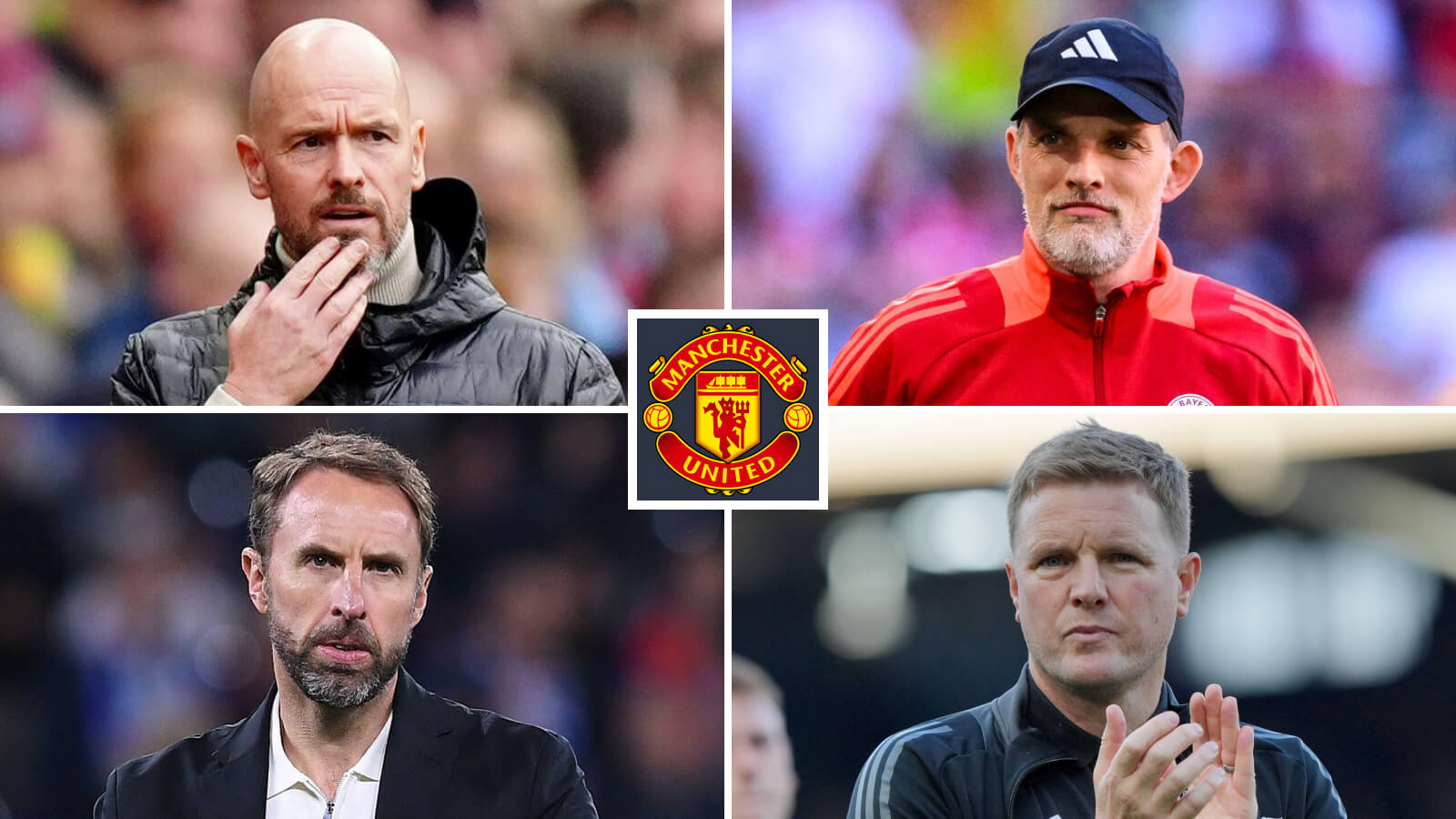
As speculation mounts about potential successors, names like Gareth Southgate and Eddie Howe have surfaced as viable candidates. Southgate, currently managing the England national team, is praised for his understanding of English football and his ability to foster strong relationships with players. His experience could provide the stability needed at United, especially given the challenges faced by previous managers who struggled to connect with the squad.
Future Prospects for Manchester United
Meanwhile, Howe’s successful tenure at Newcastle United has drawn attention. With Newcastle looking to elevate their standing in the Premier League, the possibility of a managerial shift could be mutually beneficial. Howe’s tactical flexibility and proven ability to develop young talent might align well with United’s objectives as they seek to redefine their identity.
The transition period for United is critical, and the club is at a crossroads. Many argue that they require at least three seasons to establish a stable foundation akin to that of clubs like Brentford or Brighton, which have effectively built competitive squads through strategic planning and investment in player development.
The situation is further complicated by the club’s commercial partnerships, which could be jeopardized if performance does not improve. As Manchester United grapples with these challenges, the need for a clear and coherent strategy that prioritizes accountability and long-term vision has never been more pressing.
The search for a new manager is expected to intensify in the coming weeks, with interim options likely to be considered while the club evaluates its long-term objectives. The outcome of this transition will not only define the future of Manchester United but also shape the landscape of the Premier League as a whole.