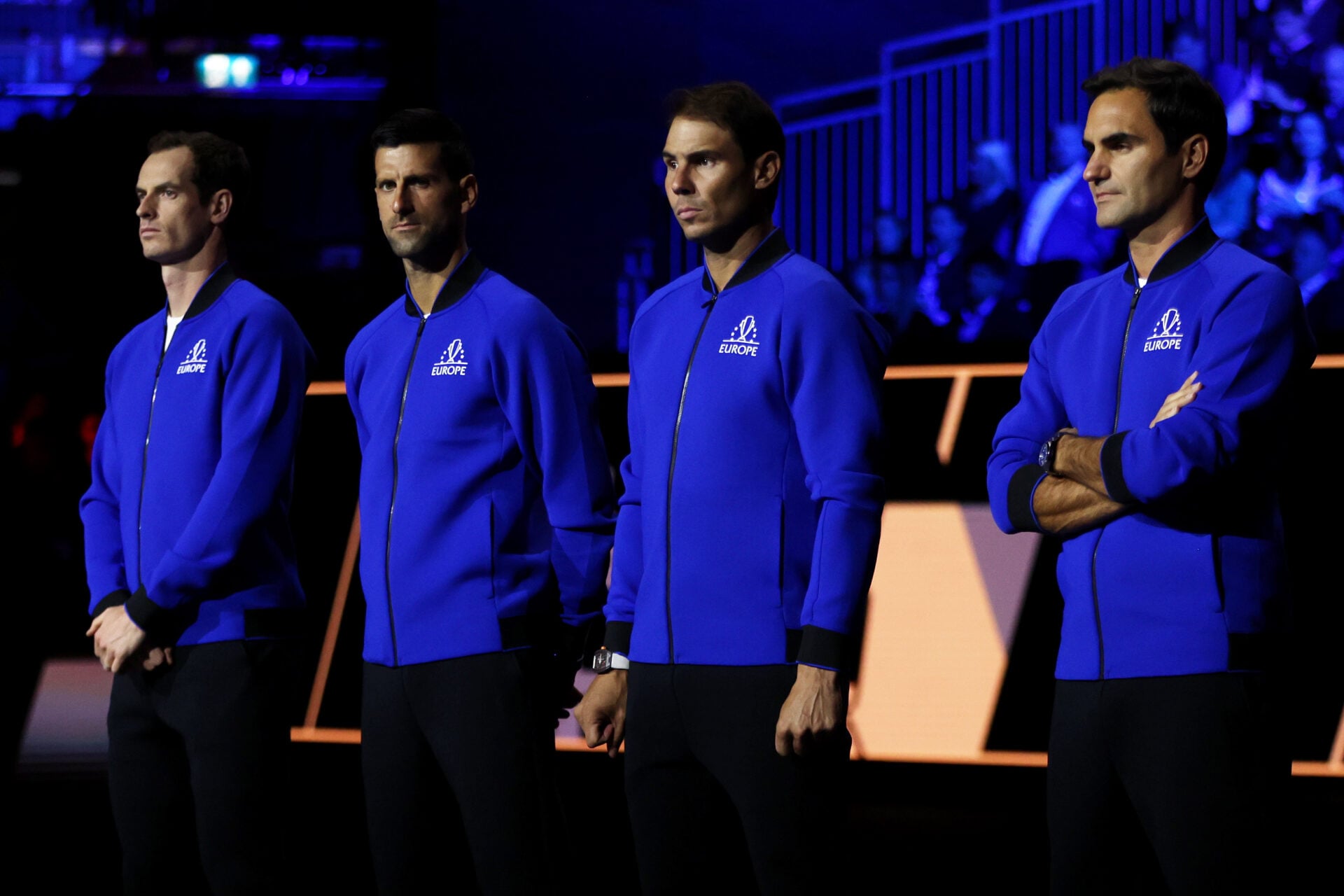
Martina Navratilova, a titan of tennis with a legacy built on 17 Grand Slam singles titles and 41 additional titles in doubles and mixed doubles, has shared her perspective on the ongoing debate surrounding the greatest player in tennis history. In a surprising departure from the common choices of modern stars such as Novak Djokovic, Roger Federer, and Rafael Nadal, she named Australian legend Rod Laver as her pick for the greatest of all time.
During the 2019 Wimbledon Championships, Navratilova articulated her views on a topic that continually ignites passion among fans and pundits alike. She expressed her belief that while many current players are deserving of recognition, Laver holds a special place in the sport’s history. “I don’t like to say the greatest because for me Rod Laver was the greatest,” she stated. “But Pete Sampras was one of the all-time greats and of course so is Roger, so is Novak and Rafa Nadal.”
Navratilova highlighted the challenges of comparing athletes from different eras, acknowledging that advancements in technology and changes in the game complicate direct comparisons. “It’s hard to compare generations, it’s a different time, different rackets, different everything. The sport evolved,” she explained.
Comparing Eras: Laver’s Unique Achievements
The discussion around tennis’ all-time greats has intensified in recent years, especially as the “Big Three” of Djokovic, Federer, and Nadal begin to step away from the sport. Federer retired in September 2022, and Nadal announced his retirement after the 2024 season, leaving Djokovic as the last of the trio still competing at the highest level. At 39, Djokovic faces rising stars like Jannik Sinner and Carlos Alcaraz, suggesting that his era of dominance may be nearing its conclusion. Nonetheless, he has accumulated an impressive total of 24 Grand Slam titles, a feat that will secure his legacy in tennis history.
Rod Laver’s accomplishments further fuel the debate over greatness. He won a total of 11 Grand Slam titles, but his unique achievement of securing a Calendar Grand Slam twice—in 1962 and 1969—sets him apart from his contemporaries. This level of dominance is rare in the sport, making him a compelling figure in discussions about the greatest players.
Navratilova’s comments resonate with many who appreciate the history and evolution of tennis. She remarked, “I think the champions always rise to the top regardless of what generation, so I like to say one of the all-time greats, but to say this one over that one, it’s so subjective and it’s comparing apples to oranges.”
As the tennis world shifts focus toward the next generation, the legacy of players like Laver, alongside the modern achievements of Djokovic, Federer, and Nadal, will continue to shape the narrative of tennis history. The debate over who truly deserves the title of the greatest of all time will likely persist, fueled by the sport’s rich heritage and the evolving landscape of competition.
The ongoing discussions highlight not only the significance of individual accomplishments but also the impact of different eras on the sport. As each generation brings new talent, the criteria for greatness may shift, yet the contributions of legends like Laver and modern icons like Djokovic will remain central to the conversation for years to come.