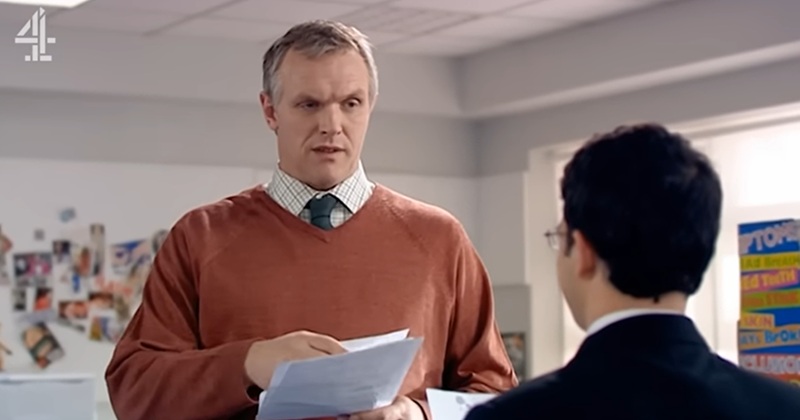
As many employees return to their jobs after the holiday season, social media platforms have seen a surge in humorous reflections on the challenges of transitioning back to work. On January 4, 2026, a significant number of individuals took to Twitter to express their mixed emotions about leaving the comfort of their holiday routines behind. While some professionals, particularly in emergency services, hospitality, and sports, may not have experienced an extended break, many office workers and freelancers have found the return daunting.
A notable tweet from user @youwouldntpost encapsulated the sentiment: “telling my boss I can’t come back to work because I’ve discovered the joy of doing nothing.” This sentiment resonated widely, highlighting the struggle to adjust to structured work life after a period of relaxation.
The feeling of dread was palpable among users. One individual tweeted, “Well after 2 weeks off, no routine, no schedule… This alarm clock is gonna go off like f***ing Semtex.” The humor in the situation served as a coping mechanism for many who had grown accustomed to a more leisurely pace of life over the holidays.
Some users were quick to list what they had forgotten during their time off. A tweet from @consultingcmdy humorously enumerated “laptop password, where I saved the final_final_v7 deck, and how to find motivation to wake up in the morning.” Such lighthearted comments reflect the common anxiety of returning to a workplace after a significant break.
Not everyone was enthusiastic about reconnecting with colleagues. “I can’t even stomach the thought of logging on tomorrow,” shared another user, emphasizing the repetitive nature of being asked about the holiday experience. The prospect of answering the same questions multiple times can be overwhelming for many employees returning to their offices.
The anticipation of the workweek was further illustrated by the tweet from user @SopranosWorld, who shared a nostalgic image of their time at home in pajamas, contrasting it sharply with the reality of commuting to work.
Others expressed a more rebellious attitude, questioning the necessity of returning at all. One tweet read, “What if we all just don’t go back to work tomorrow? They can’t sack all of us.” This humor speaks to a shared desire to prolong the holiday spirit, even if just for a moment longer.
Reflecting on the fleeting nature of the holidays, one user lamented, “Just… OVER? Gone??? Done???” Such comments reveal a collective sentiment of loss as many grapple with the end of a cherished break.
As the workweek commenced, the stark reality of returning to normalcy became evident. “The last chocolate has been unwrapped. The first Monday of the year looms, and it’s back to normality,” remarked another user, capturing the bittersweet end of the holiday season.
For many, the return to work is not just a transition; it is a reminder of responsibilities and expectations that had been temporarily set aside. The humor shared on social media serves as a valuable outlet for expressing these emotions, helping to ease the transition back into the workplace. As January unfolds, employees across various sectors will continue to navigate the complexities of re-establishing their routines after a well-deserved break.