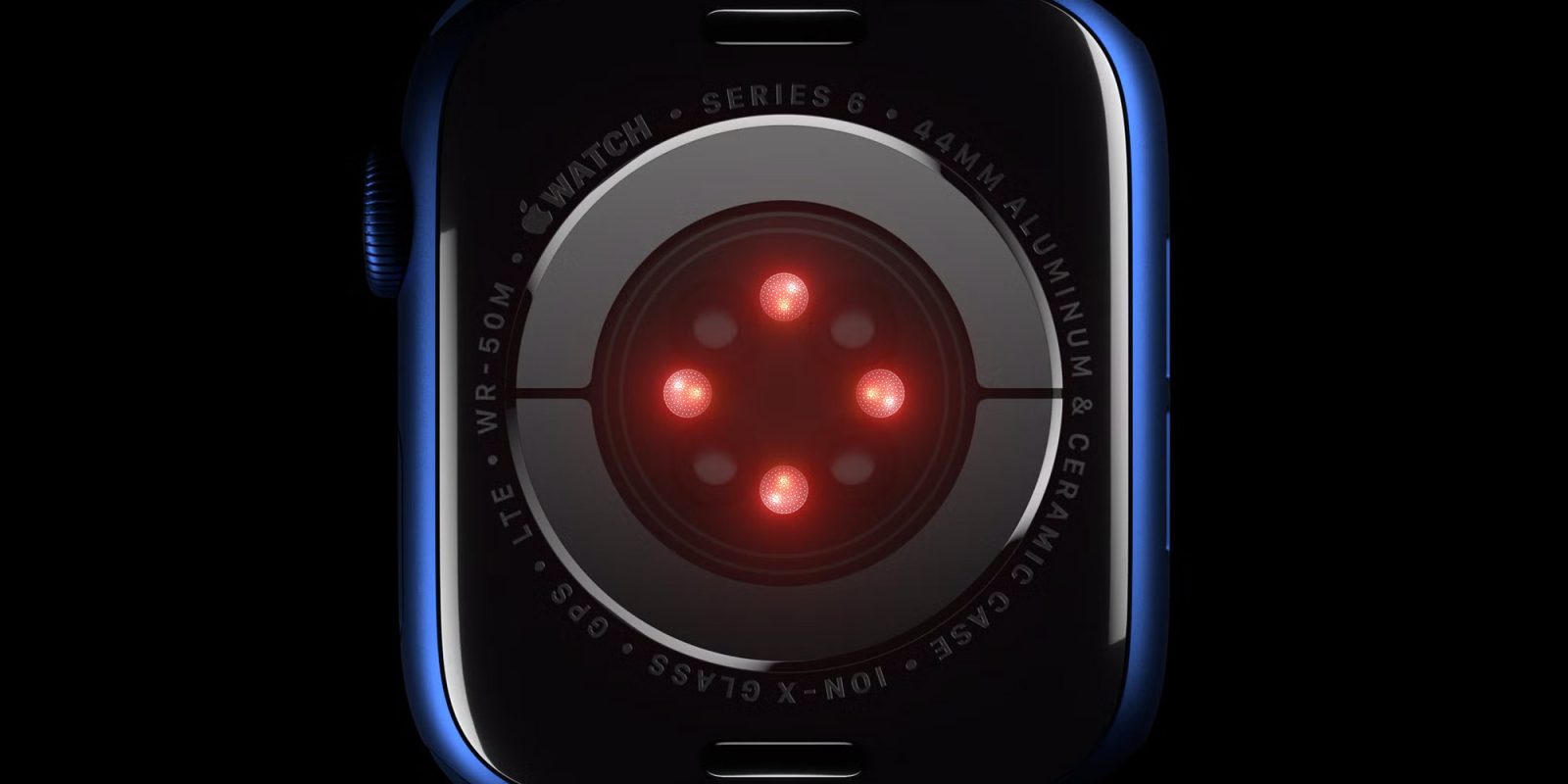
Apple Inc. has unveiled a new study that aims to enhance the accuracy of cardiac health insights derived from the Apple Watch’s optical sensor, utilizing artificial intelligence. This development follows the recent introduction of hypertension notifications in watchOS 26, which aims to identify undiagnosed hypertension in users.
With the hypertension feature, Apple acknowledges that while it is not a medical-grade diagnostic tool, it is expected to alert over 1 million individuals with undiagnosed hypertension within its first year of implementation. Notably, this feature relies on data collected over 30-day periods, focusing on trends rather than immediate hemodynamic readings.
Innovative Approaches to Cardiac Monitoring
The latest research, published in a paper titled “Hybrid Modeling of Photoplethysmography for Non-Invasive Monitoring of Cardiovascular Parameters,” outlines a novel methodology. Apple’s researchers propose a hybrid approach that integrates hemodynamic simulations along with unlabeled clinical data to estimate cardiovascular biomarkers from photoplethysmography (PPG) signals.
In their study, the team gathered a comprehensive dataset of labeled simulated arterial pressure waveforms (APWs) along with simultaneous real-world APW and PPG measurements. By training a generative model, they established a mapping from PPG data to APW signals. This innovative technique enabled researchers to derive APW data from PPG measurements with significant precision.
The process continued with the introduction of a second model, trained to infer cardiac biomarkers, such as stroke volume and cardiac output, from the interpreted APW data. This model utilized simulated APW data paired with known cardiovascular parameter values, allowing for precise estimations of essential cardiac metrics.
Results and Implications for Cardiac Health
The researchers tested their model on a separate dataset, which included APW and PPG signals from 128 patients undergoing non-cardiac surgery, all labeled with relevant cardiovascular biomarkers. The results demonstrated that their AI-assisted approach accurately tracked trends in stroke volume and cardiac output, though it did not provide precise absolute values.
The findings suggest that this AI-driven modeling technique can extract more meaningful insights regarding heart health from existing optical sensors, potentially leading to improved monitoring capabilities. As the researchers concluded, it remains uncertain whether Apple will integrate these advanced features into future versions of the Apple Watch. Nonetheless, the pursuit of innovative methods to unlock valuable health data from existing technology is a promising stride towards enhancing user health monitoring.
The complete study is available on arXiv, showcasing Apple’s commitment to exploring the intersection of technology and healthcare.