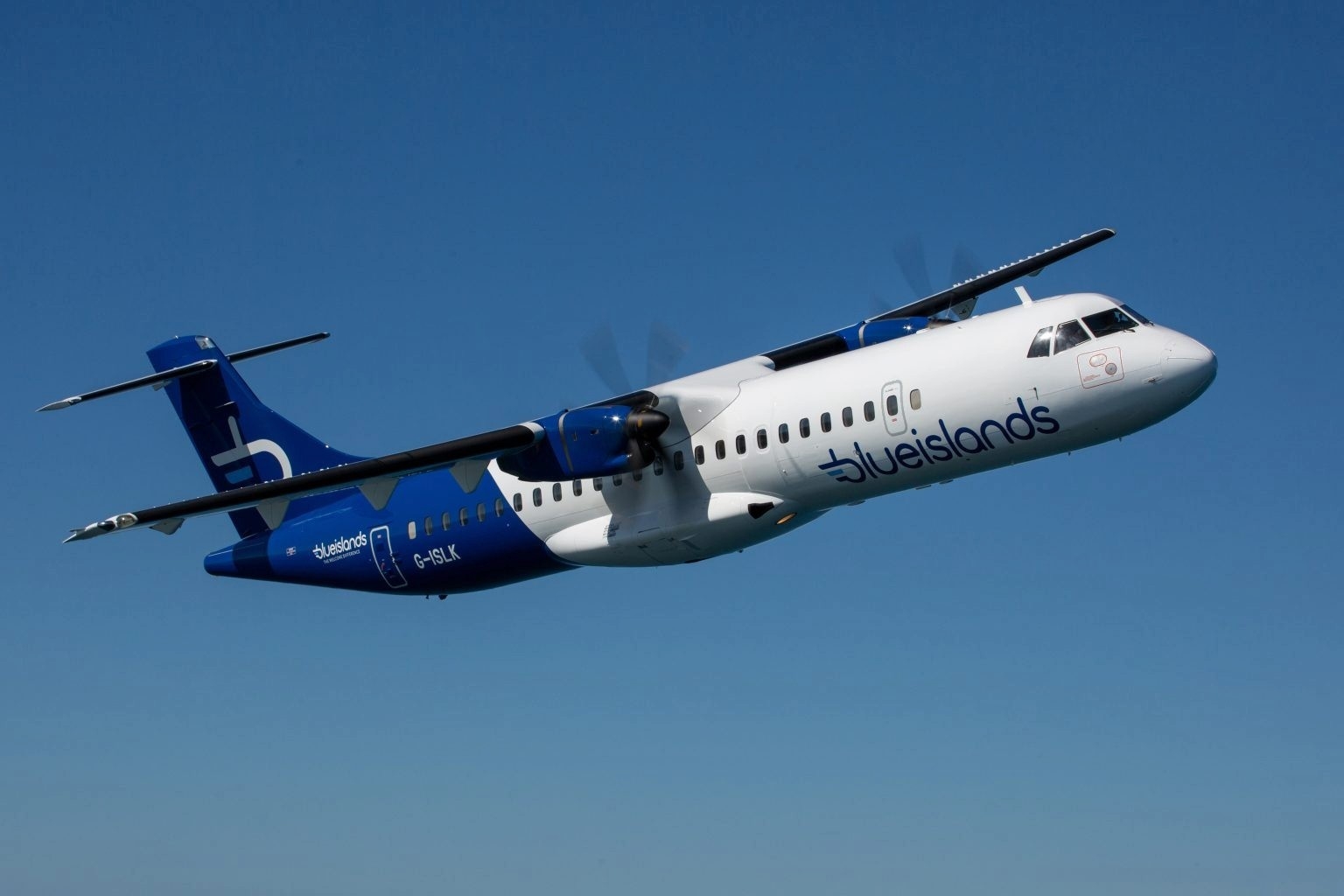
Blue Islands has announced the abrupt cessation of all its flights, leaving many passengers and staff reeling from the unexpected news. The confirmation came late on Friday evening, just after 21:53, following widespread rumors throughout the day. The airline’s CEO expressed his shock in an email to staff, indicating that the decision was not premeditated. This raises significant questions about the events leading up to the sudden announcement.
While the news was shocking, it was not entirely unexpected given the airline’s financial struggles. Reports indicate that Blue Islands owed the government approximately £7 million in Covid support, with debt repayments faltering this year. The airline had also faced numerous delays and cancellations over the summer, highlighting its operational challenges. The situation escalated on Friday after a meeting of the Council of Ministers, which reportedly concluded that the airline’s financial situation could no longer be supported, leading to the decision to ground its entire fleet.
Impact on Passengers and Future of Local Travel
The rapid unfolding of events has left thousands of passengers scrambling to understand their options. Many had bookings with Blue Islands, including local sports teams that relied on the airline’s services for travel. The Consumer Council has stepped in, providing guidance to affected passengers on how to reclaim their money for flights that will no longer take off.
In a positive turn, Loganair, a larger regional operator, has quickly moved to fill the void left by Blue Islands. This transition may offer more stability for local air travel, although the speed of the change suggests that significant behind-the-scenes negotiations and activities had been occurring prior to the public announcement.
As the dust settles, a closer examination of the timeline leading to Blue Islands’ demise is essential. The airline, which launched in 1999 as Le Cocqs Airlink, initially focused on transporting perishable goods. It began offering passenger services in 2002, later rebranding as Rockhopper, and eventually became known as Blue Islands. The airline aimed to connect passengers from the UK to leisure destinations in Guernsey and Alderney.
Legacy of Blue Islands
Over its years of operation, Blue Islands established itself as a key player in the local aviation market. Competing primarily with Aurigny, it became a familiar name for many travelers on critical routes to Southampton and Guernsey. The airline’s eventual decline reflects broader challenges faced by regional carriers, especially in a post-pandemic landscape where financial stability has become increasingly precarious.
As the community processes this sudden shift in its transport landscape, the focus will now be on how new operators will perform and whether they can provide the dependable service that local travelers have come to expect. The situation underscores the fundamental importance of reliable transport links for the islands, and it raises concerns about the future stability of air travel in the region.
In conclusion, the end of Blue Islands marks a significant moment in local aviation history. The airline has served the islands for a generation, and its absence may be felt deeply by those who relied on its services. As investigations into the circumstances of its closure continue, passengers and staff alike hope for clarity and resolution in the wake of this unexpected disruption.