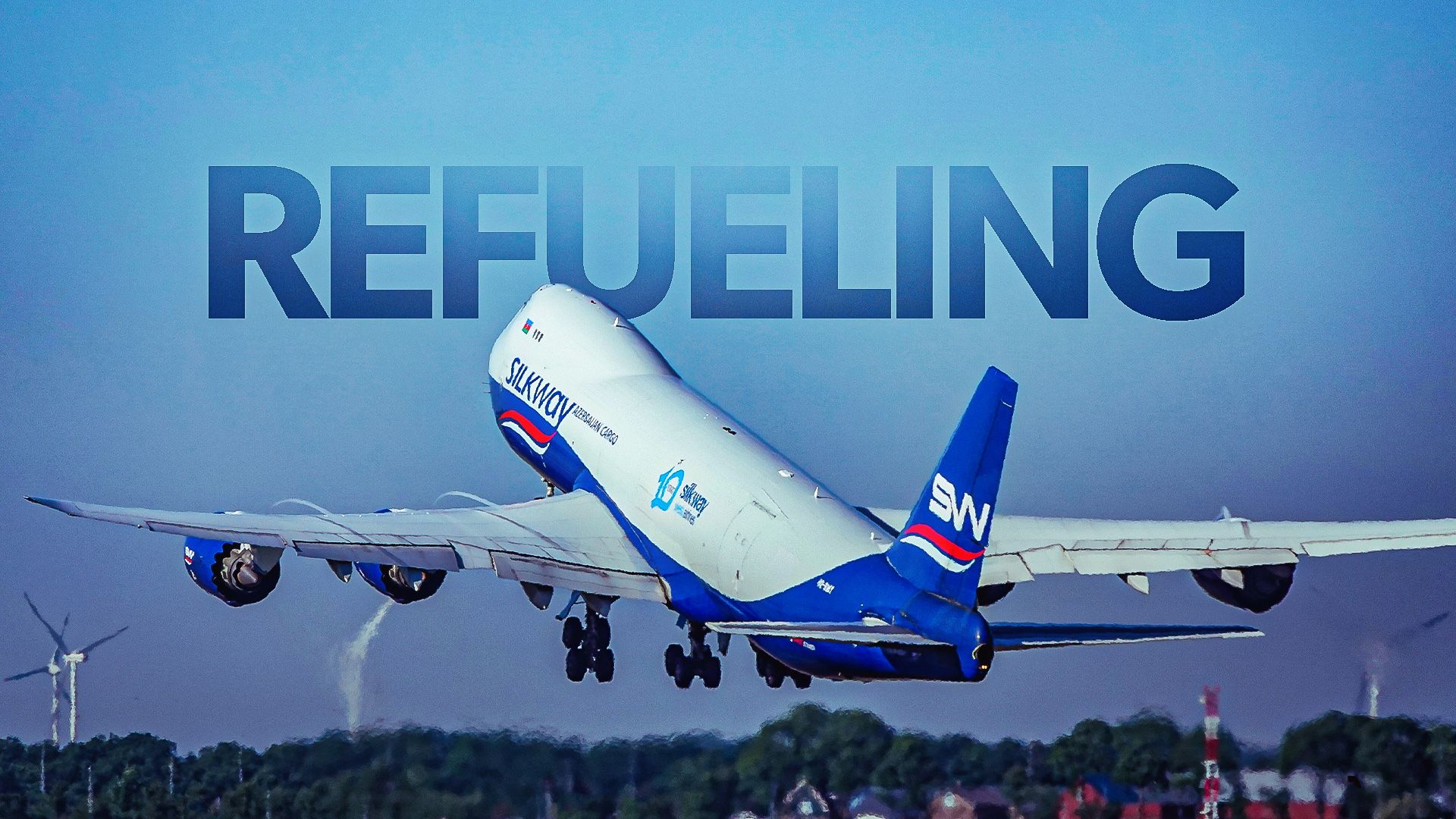
The Boeing 747, a renowned icon in aviation history, has long fascinated enthusiasts and industry professionals alike, especially regarding its flight endurance. A critical question arises: how many hours can a Boeing 747 fly without needing to refuel? Understanding the endurance of this aircraft is essential, particularly as ultra-long-haul flights become more prevalent and aircraft efficiency continues to improve.
The Boeing 747 family has evolved over several decades, encompassing numerous variants. From the early 747-100s introduced in the 1960s to the more modern and efficient 747-8, these models showcase advancements in technology and design. Each variant presents unique characteristics, influencing fuel capacity and operational range, making the discussion of endurance both complex and intriguing.
Flight Duration and Variants
For standard commercial variants operating on regular routes, a Boeing 747 can typically remain airborne for approximately **13 to 16 hours** without refueling. The **747-8 Intercontinental**, the most advanced in the family, is rated for a maximum range of around **7,730 nautical miles** (approximately **14,320 kilometers**), translating to ideal flight times of **15 to 16 hours**.
Earlier models like the **747-100** and **747-200** had slightly shorter ranges, capable of flying between **4,600** and **6,200 nautical miles** (about **8,500 to 11,500 kilometers**). This equates to roughly **10 to 14 hours** of continuous flight, depending on favorable conditions. The advancements in aerodynamics and engine efficiency in later models, such as the **747-400** and **747-8**, have significantly improved these figures.
Practical endurance in real-world operations can vary greatly due to several factors, including payload, weather conditions, and the need for reserve fuel. Airlines typically plan for diversion fuel and safety margins, which can reduce the effective flight time relative to the aircraft’s theoretical maximum.
Key Factors Influencing Endurance
Several critical elements determine how long a Boeing 747 can fly on a single fuel load, including fuel capacity, engine efficiency, payload weight, and flight planning constraints. Fuel capacity has increased over the years; for instance, early **747-100s** held about **48,400 gallons** (approximately **183,380 liters**) of jet fuel, while modern **747-8 models** can store over **63,034 gallons** (around **238,610 liters**). This increase in fuel capacity, coupled with more efficient engines, enhances the endurance of later variants.
Engine performance plays a vital role as well. The newer turbofan engines, like the **GE GEnx** engines fitted on the **747-8**, burn fuel more efficiently, extending the aircraft’s usable flight time. Additionally, factors such as wind and weather can significantly impact flight endurance; strong tailwinds can considerably enhance range and flight duration.
Fuel capacity and estimated flight hours for various models are as follows:
– **747-100**: Approx. **183,000 liters**, Cruise Speed: **900 km/h**, Max Flight Hours: **11–12 hours**
– **747-200**: Approx. **199,000 liters**, Cruise Speed: **900 km/h**, Max Flight Hours: **12–14 hours**
– **747-400**: Approx. **216,800 liters**, Cruise Speed: **910 km/h**, Max Flight Hours: **14–15 hours**
– **747-8I**: Approx. **238,600 liters**, Cruise Speed: **915 km/h**, Max Flight Hours: **15–16 hours**
These estimates assume optimal conditions. In practice, airlines prioritize on-time performance and safety over achieving maximum flight hours.
Published data often reflects specific certification criteria, including assumptions about payload and winds, which do not directly translate to actual flight operations. According to reports from **AviaMagazine**, pilots and aviation enthusiasts frequently note that range figures rarely mirror everyday airline practices. For instance, while the **747-8I** might theoretically fly **14,320 kilometers** nonstop, airlines factor in diversion reserves and alternate fueling options long before fuel depletion becomes an issue.
Comparatively, modern twin-engine aircraft such as the **Boeing 787** and **Airbus A350** have emerged as competitors, capable of flying **18 to 20 hours** on ultra-long-haul routes due to lighter structures and efficient engines. The record for the world’s longest nonstop flight is held by a Singapore Airlines **Airbus A350-900ULR**, which operates an **18-hour** route between **New York** and **Singapore**.
While the 747 has long been a leader in long-distance flight, newer models offer enhanced endurance and fuel efficiency, leading many carriers to retire their 747 fleets in the 2020s.
Unique Applications and Endurance Limits
There are exceptional cases that highlight the versatility of the 747. Notably, the concept of the **KC-747** aerial tanker was explored by Boeing in the 1970s. Although the project did not find widespread adoption due to its size, it illustrates how aerial refueling could extend the aircraft’s operational time significantly. The **Air Force One** variant of the 747, which is equipped for aerial refueling, can remain airborne for extended periods with refueling support, theoretically allowing it to stay aloft for days, limited only by crew endurance and maintenance needs.
In conclusion, the flight endurance of a Boeing 747, especially in standard commercial configurations, realistically ranges from **13 to 16 hours** under optimal conditions. The later models like the **747-8** push these boundaries with larger fuel loads and efficient engines. While the 747 remains an iconic aircraft known for its endurance and versatility, the aviation landscape continues to evolve, with newer aircraft designs challenging its long-standing supremacy in long-haul travel. The Boeing 747 remains a testament to innovative engineering that has redefined global flight for decades.