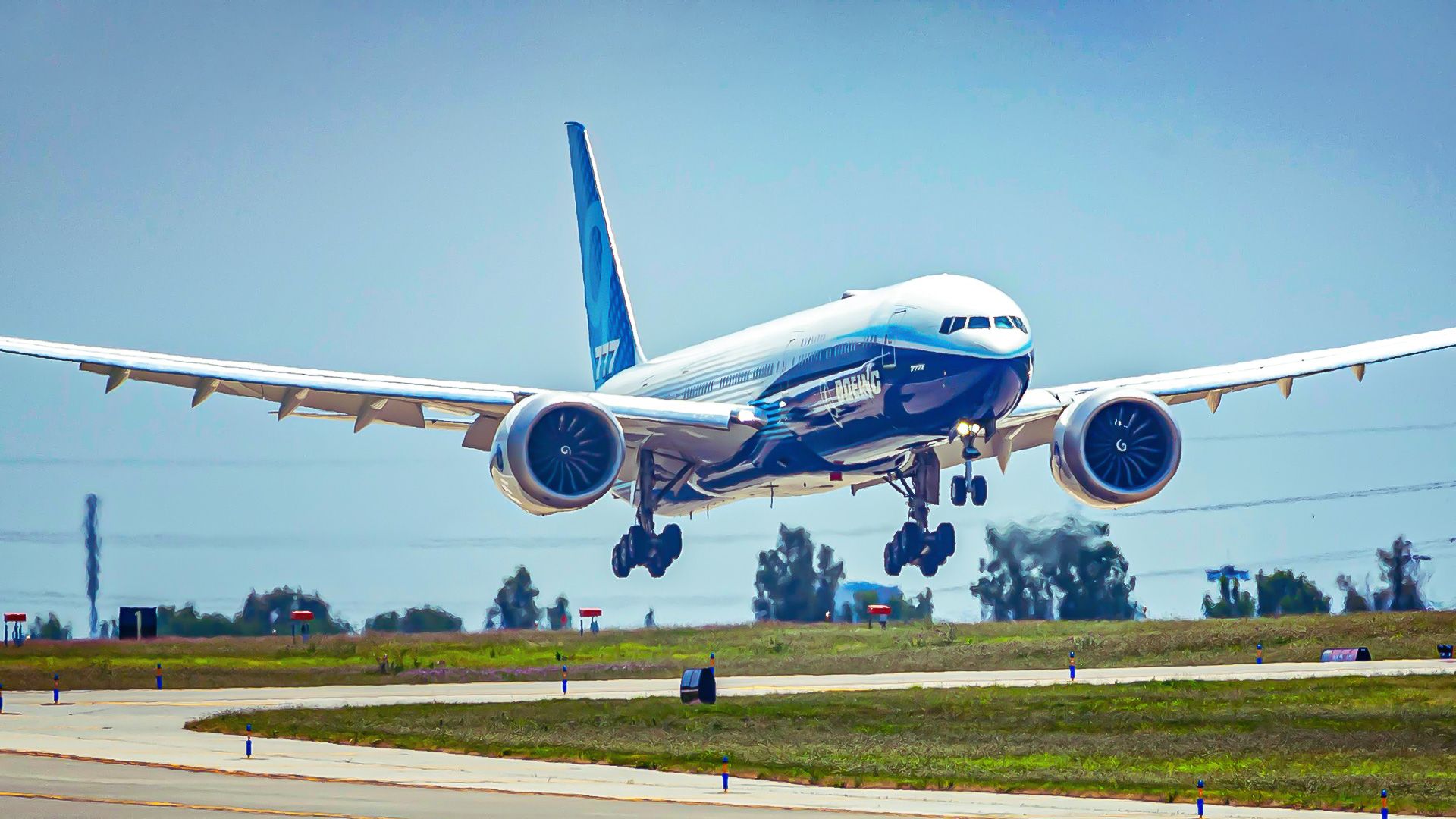
The delivery of the highly anticipated Boeing 777X has faced significant delays, with the first aircraft not expected to reach airlines until 2027. Boeing has confirmed that the initial deliveries will not be the aircraft already built, but rather newer models that meet updated production standards. This decision aims to mitigate further delays and ensure that customers receive jets that are fully compliant with the latest certification requirements.
While the 777X program promises to redefine long-haul travel with its advanced design, it has become one of the most delayed projects in modern aviation history. Originally slated for certification in 2020, the aircraft is still awaiting approval, primarily due to various technical challenges and internal issues at Boeing.
Current Status of the 777X Production
As of now, Boeing has constructed at least 26 examples of the 777X, with a notable four of these aircraft dedicated to testing and certification. Reports indicate that up to 32 aircraft are currently parked at Boeing’s Paine Field, located just north of Seattle. These jets are stored in various areas around the facility, including closed runways and parking lots.
Boeing’s strategy of producing aircraft before certification is not unprecedented; a similar approach was taken during the production of the 787 Dreamliner. This strategy is driven by the need for fully assembled aircraft for extensive testing and promotional events, such as the upcoming 2025 Dubai Airshow.
Reasons for Prioritizing Newer Aircraft
Boeing’s decision to deliver newer models first stems from the minor design updates that have occurred during the certification process. These updates, including recent modifications to critical components such as thrust links, are aimed at enhancing safety and performance. Aircraft built under older standards may require additional modifications before delivery, leading to longer wait times for airlines.
Boeing’s Vice President of Commercial Marketing, Darren Hulst, explained this approach, stating, “We are producing 777Xs today. In fact, some of the airplanes that we’re building today will be the first to actually deliver because they’re up to the new production standard.” This strategy allows Boeing to streamline delivery and minimize disruptions for launch customers.
Despite facing multiple setbacks, the 777X remains integral to the fleet strategies of several major airlines. Lufthansa is expected to be the launch customer, with 27 firm orders and an additional 14 options. Other notable customers include Emirates, which has placed an order for 270 aircraft, and Qatar Airways with 124 orders.
As Boeing prepares for the eventual entry of the 777X into service, the company plans to ramp up production to meet demand. Initial production rates are projected at three to five aircraft per month, with deliveries balanced between Middle Eastern carriers and airlines like Lufthansa and British Airways.
The continued delays in the 777X certification process have raised concerns among airlines dependent on these aircraft for fleet renewal. The long-awaited introduction of the 777X is expected to offer substantial improvements in fuel efficiency and passenger comfort, making it a significant addition to the market once it finally enters service.