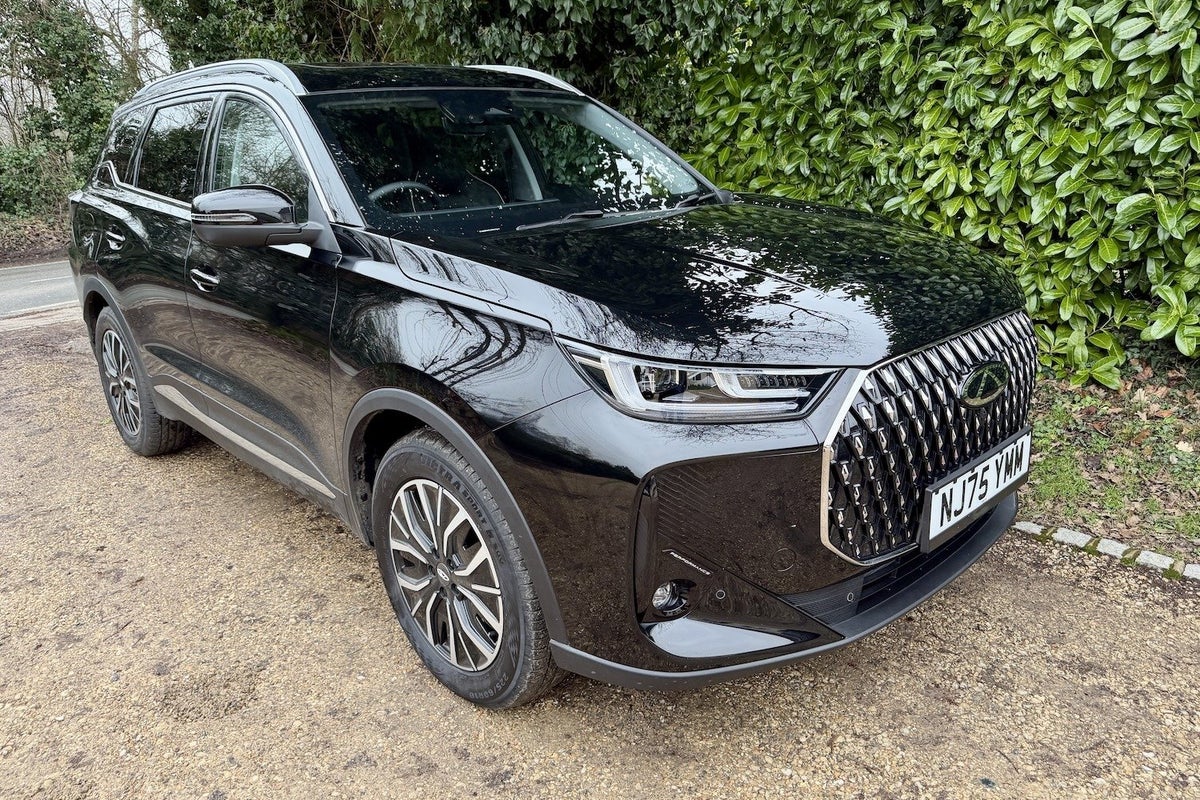
The rise of Chinese automotive manufacturers in the UK market is evident, particularly in the plug-in hybrid segment. The Chery Tiggo 7, one of the latest entrants, is gaining traction among buyers seeking efficient and well-equipped SUVs. With a starting price under £25,000 for petrol models and under £30,000 for plug-in hybrids, these vehicles are appealing due to their value and performance.
The Tiggo 7 joins a competitive group of plug-in hybrid SUVs that includes the BYD Sealion, Geely Starray, and MG HS. This market segment has seen a remarkable increase in sales, with figures indicating a growth of 35 percent in early 2025. These vehicles offer a combination of strong specifications, efficiency, and quality that resonates with consumers.
Many potential buyers face challenges in differentiating between these models. Price points are often similar, and specifications vary little across brands. MG enjoys a competitive edge in the UK due to its established presence and brand recognition.
A recent experience highlighted how the Tiggo 7 is perceived by consumers. An industry acquaintance initially mistook the vehicle for an Infiniti, Nissan’s luxury brand, due to its familiar badge and styling reminiscent of Audi. Another contact who examined the interior found it comparable to BMW in terms of quality, noting a significant improvement in technology features. Earlier models were often criticized for excessive alerts, but these have been noticeably reduced in the Tiggo 7.
During a weekend trip to Liverpool, a round trip of 405 miles, the Tiggo 7 showcased its efficiency, with over 100 miles of fuel range remaining upon arrival. Feedback from passengers revealed varied perspectives. While comfort was a point of contention after several hours in the car, the overall performance of the vehicle impressed.
As the automotive landscape evolves, younger buyers are increasingly considering these Chinese models. A 27-year-old looking to replace her MINI expressed interest in the Tiggo 7, particularly after learning of its competitive pricing compared to the Volkswagen Tiguan. The perception of quality and value is shifting, with Chinese brands making significant strides.
Despite some areas where these models may lag behind European counterparts, such as ride quality and tech usability, the value proposition remains strong. The Tiggo 7’s ride is satisfactory, and many tech features can be upgraded over the air, mitigating some usability concerns.
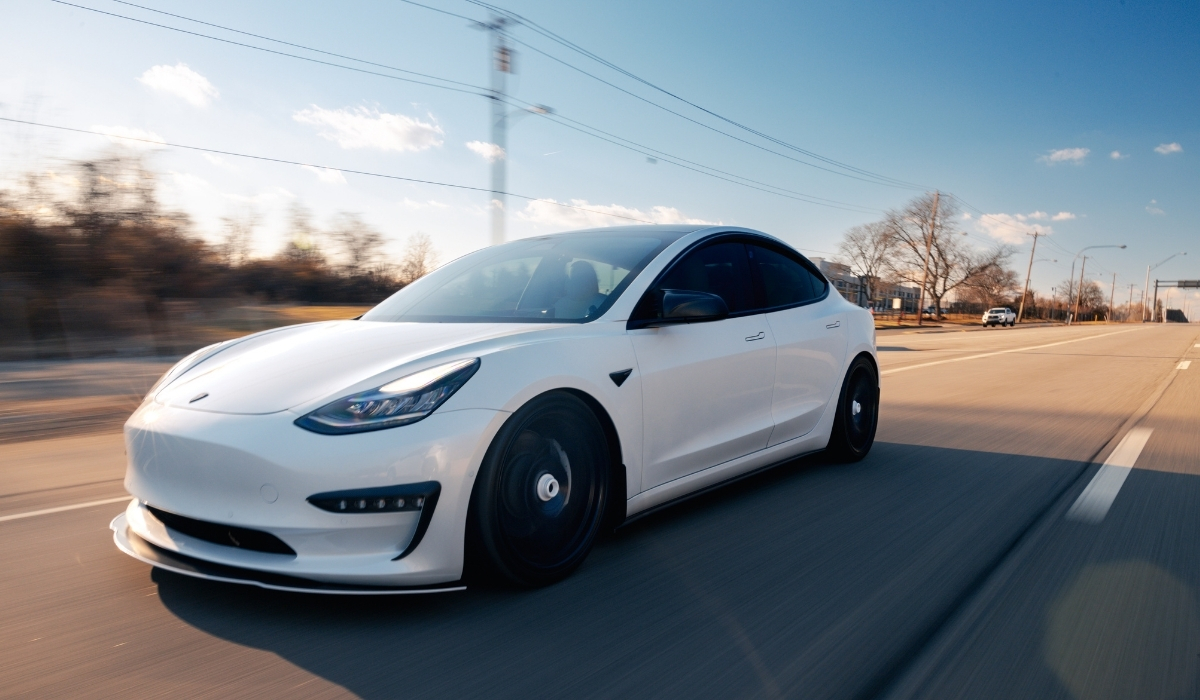
To conclude, the question of whether to buy a Chinese car is increasingly relevant. The value offered by these new brands is compelling, especially for consumers prioritizing cost and efficiency. Moreover, many drivers may already be experiencing Chinese-made vehicles without realization, as several popular models, including the MINI Aceman and various Lotus and Tesla vehicles, are produced in China.
The evolving reputation of Chinese automotive manufacturers is significant, marking a shift in consumer attitudes towards these brands. For those in the market for a plug-in hybrid, the array of options available is both diverse and appealing.