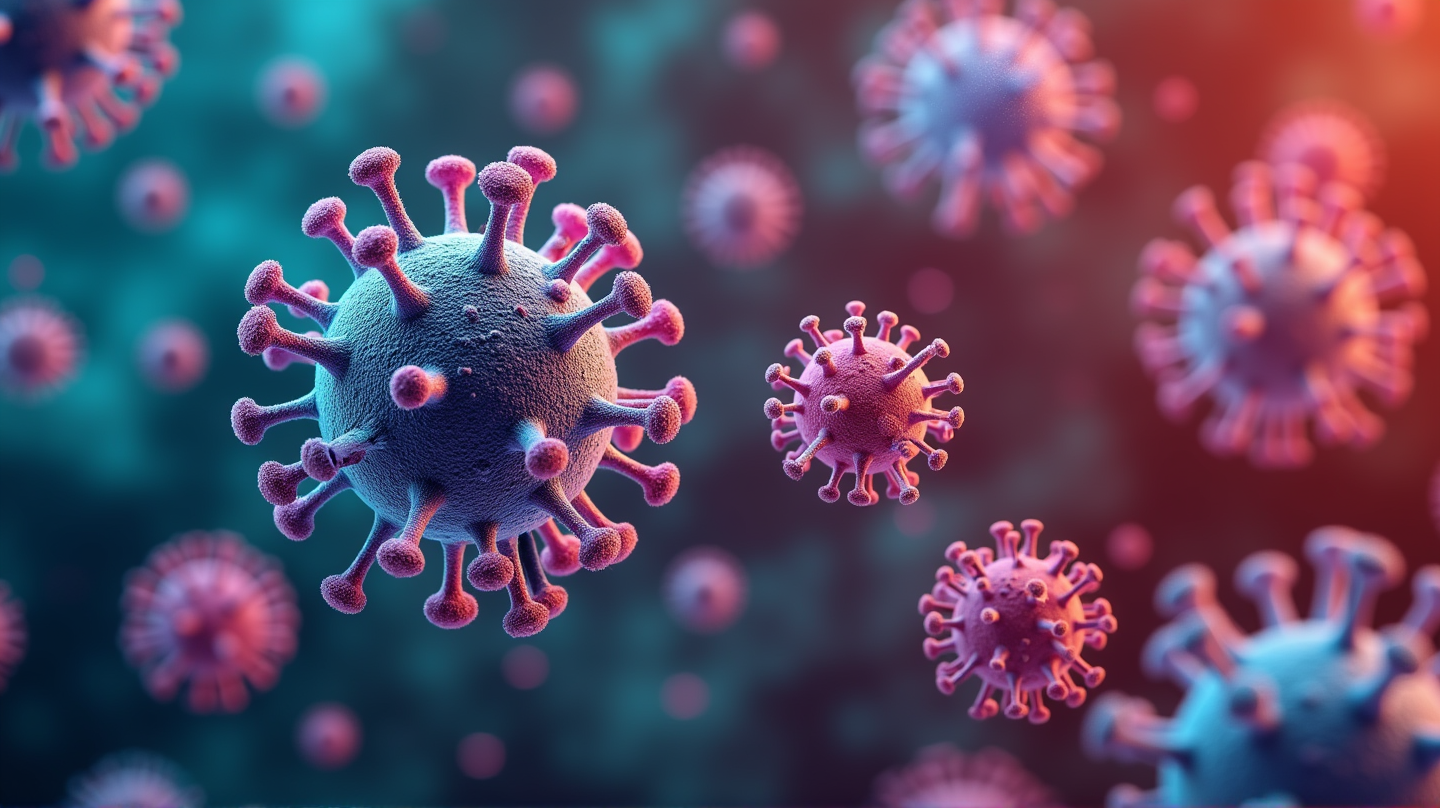
Recent research indicates that common-cold coronaviruses could significantly enhance the effectiveness of COVID-19 vaccines. A study led by Weill Cornell Medicine reveals that prior exposure to milder coronaviruses, such as OC43, might prepare the immune system to better combat the more severe SARS-CoV-2 virus. This groundbreaking finding could reshape our approach to vaccination and pandemic preparedness.
Revolutionizing Vaccine Strategies
Researchers, including Dr. Patrick Wilson and his team, are exploring the potential for a next-generation COVID-19 vaccine that not only addresses current viral strains but also protects against future coronaviruses. By leveraging the immune response triggered by earlier encounters with common cold viruses, they believe it is possible to develop a vaccine that generates a robust response against the S2 subunit, a crucial entry point for SARS-CoV-2.
This innovative approach could lead to broader and more durable protection compared to traditional vaccines. According to Cornell University, the implications of this research could significantly alter our strategies for dealing with COVID-19 and similar viral threats.
Insights from Severe COVID-19 Cases
The study investigated antibody responses in patients with severe cases of COVID-19 and found that these individuals exhibited a stronger anti-S2 response. This heightened response was attributed to pre-existing immunity, with B cells carrying antibodies from earlier encounters with OC43. The ability of these antibodies to neutralize SARS-CoV-2 and other coronaviruses, including those found in bats, highlights a potential new avenue for vaccine development.
One key question arose: why did severe illness provoke such a strong immune response? Dr. Siriruk Changrob and his team discovered a unique immune amplification process in critically ill patients. This mechanism disrupted the standard immune response pathway, leading to a diversification and enhancement of anti-S2 antibodies. Such insights could provide vaccine developers with valuable information to harness this natural immune response.
Future Directions for Vaccination
Integrating an initial immune priming using S2 proteins from common-cold coronaviruses, followed by targeted vaccine doses, could potentially yield a more comprehensive defense against known and emerging coronaviruses. This strategy not only aims to address the current pandemic but also seeks to prepare future generations for viral threats.
Collaboration has been essential in this research, with funding and support from institutions like the NIH and AMED. The study underscores the significance of global partnerships in advancing medical innovations that can have a profound impact on public health.
This new perspective on common cold viruses emphasizes their unexpected role in advancing our understanding of immune responses and vaccine development, offering a glimmer of hope in our ongoing battle against infectious diseases.