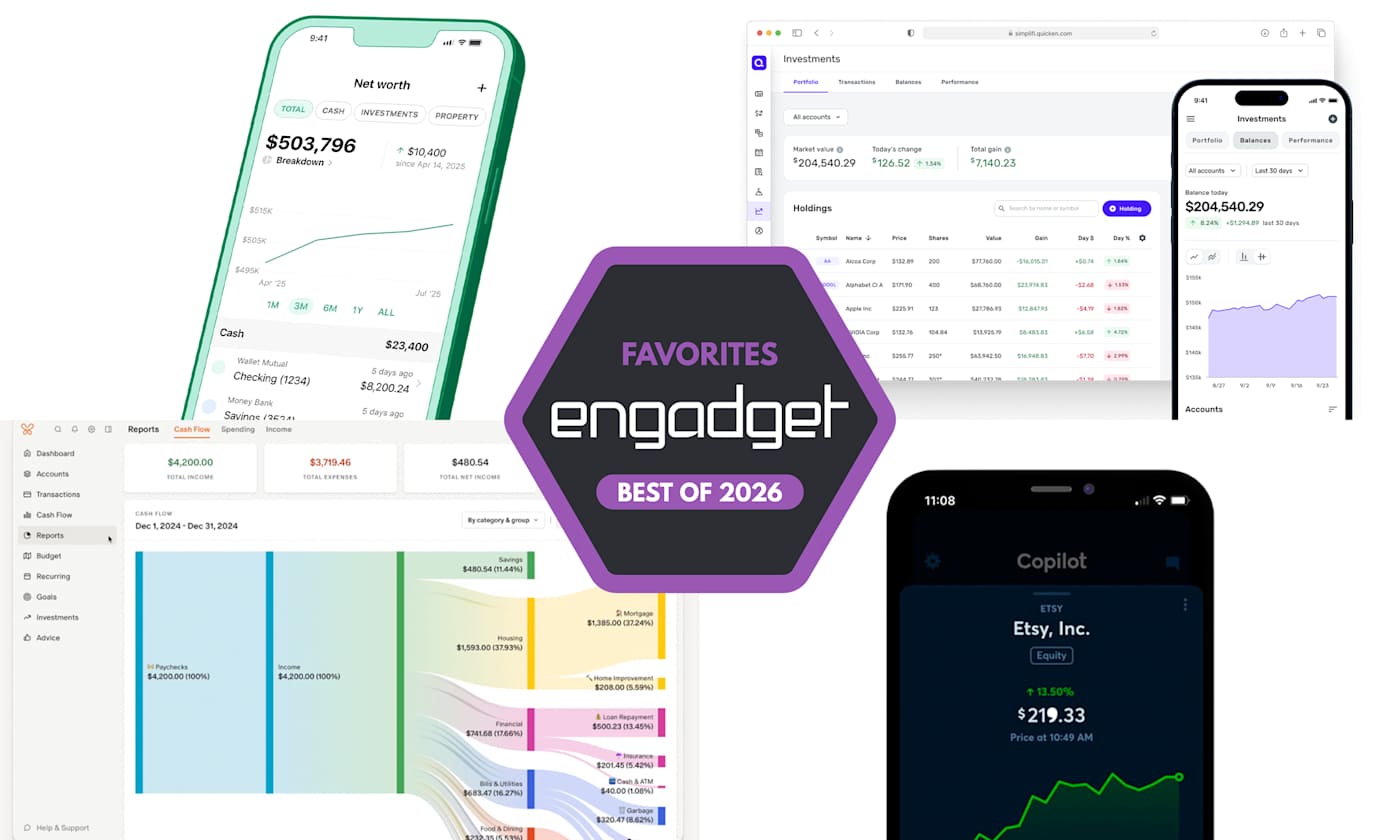
As personal finance management evolves, many users are seeking effective budgeting apps, especially after the recent announcement of the shutdown of the popular platform Mint. With its millions of users now looking for alternatives, a range of robust budgeting applications has emerged to help individuals manage their finances effectively. From straightforward expense trackers to advanced analytics tools, these apps offer various features tailored to meet diverse financial needs.
Leading Budgeting Apps for 2026
Among the top contenders, Quicken Simplifi stands out as the best overall budgeting app. It offers a user-friendly interface that simplifies financial management. Users can easily scroll through a comprehensive dashboard that includes vital statistics such as top-line balances, net worth, recent spending, and upcoming recurring payments. The app also allows users to set savings goals and to share account access with a spouse or financial advisor, enhancing collaborative financial planning.
Another noteworthy contender is Monarch Money, which serves as the runner-up in the budgeting app category. While the setup process may require more effort compared to other apps, its detailed reporting capabilities and the ability to track non-liquid assets like real estate provide users with valuable insights into their financial health. The app’s dashboard offers a month-in-review feature that comprehensively covers cash flow, income, and expenses.
For those seeking a free budgeting solution, NerdWallet emerges as the best option. Unlike many competitors, it does not lock features behind a paywall. Users benefit from a clean interface that emphasizes key metrics like cash flow and credit scores. Weekly insights help track spending patterns, although customization options for budgeting categories are somewhat limited.
Innovative Features and User Experiences
Another promising app is Copilot Money, noted for its attractive design and user interface. Currently available only on iOS and Mac, it integrates with platforms like Amazon and Venmo, allowing users to automatically track transactions. Copilot’s AI-powered categorization improves over time, although it is still in the early stages of development compared to more established apps.
The budgeting philosophy of YNAB (You Need a Budget) sets it apart with its zero-based budgeting approach. Users are encouraged to assign a purpose to every dollar earned, fostering a more intentional spending habit. However, its learning curve is steeper than that of other apps, requiring ongoing effort and commitment from users.
While PocketGuard previously offered a robust free tracking option, its limitations have increased since the introduction of a seven-day trial period. Users now face a choice between a $13 monthly plan or a $75 annual subscription, which may deter new users seeking free alternatives.
Understanding the underlying technology is also crucial. Most apps utilize Plaid, an industry-standard network that connects banks with budgeting applications, ensuring a seamless transfer of financial data. Despite its advantages, users should be mindful of previous legal issues concerning data collection practices.
The need for effective budgeting tools has never been more apparent. As users transition from Mint to new platforms, the available options cater to various preferences and requirements. Each app has unique strengths, making it essential for users to evaluate which features align best with their financial management goals.