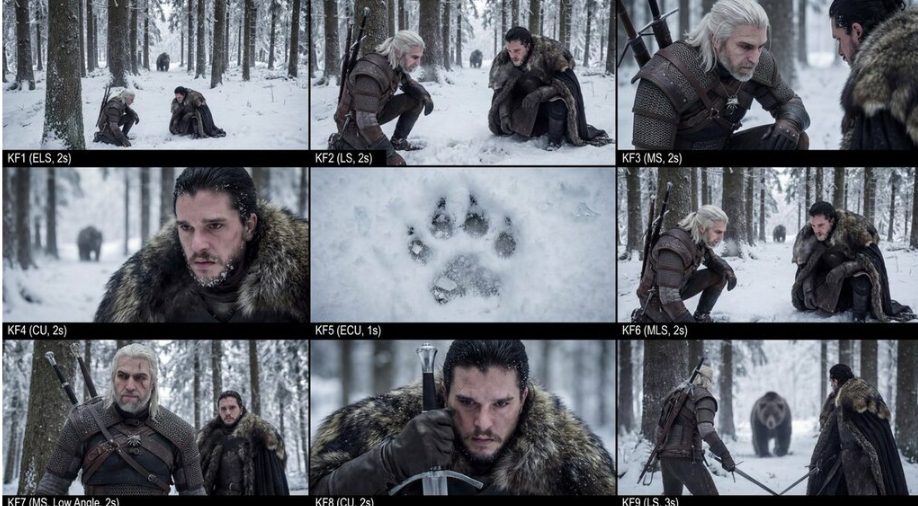
The landscape of AI-driven video creation is shifting dramatically with the introduction of Kling O1, a unified multimodal engine that integrates various aspects of video production into a single workflow. This innovative tool combines text-to-video generation, editing, scene transformation, and audio generation, making it a significant player in the evolving realm of content creation.
Kling O1 stands out from traditional video generation models by offering users the ability to edit, extend, and re-render scenes using natural language commands. Unlike earlier models that typically produced short clips, Kling O1 allows creators to replace objects, modify environments, adjust lighting, and maintain character continuity across multiple shots—all within one streamlined platform. An online demo of Kling O1 is currently available for those interested in exploring its capabilities.
The Need for Speed in Content Creation
As demand for rapid, cost-effective video production continues to grow among creators, marketers, and agencies, many existing AI tools still require significant post-production adjustments. Typical challenges include inconsistent motion, imperfect lip-syncing, mismatched character appearances, and the need for external audio mixing. Kling O1 aims to eliminate these bottlenecks by enabling native editing during the video generation process. This approach not only accelerates iteration but also reduces the amount of cleanup work typically associated with video production.
Kling O1’s workflow resembles art direction more than conventional video editing. Key features include dynamic text-to-video generation, natural-language editing capabilities, smooth scene extensions, and the ability to generate speech and ambient sounds with synchronized lip movement. These functionalities empower creators to conceptualize their scenes rather than relying solely on procedural methods.
Democratizing Video Production
Although Sora may lead in terms of cinematic realism, Kling O1 is emerging as a more practical option for creators who prioritize speed, versatility, and social media readiness. This tool reflects a broader industry trend where the traditional notion of “shooting” video is being replaced by designing it through prompts, showcasing a shift in how video content is conceptualized and produced.
Unified models like Kling O1 are indicative of a future where multi-stage production pipelines are collapsing into streamlined processes. This evolution promises faster content iteration cycles, enhanced multimodal creative control, and a democratization of high-quality video production tools. As Kling O1 continues to develop, it is poised to play a crucial role in shaping the future of AI-powered content creation.
With the integration of editing, directing, and generation into a single intelligent system, Kling O1 offers a faster, more accessible, and scalable approach to professional video content. As AI video technology advances, this model signifies a new phase in the industry that appeals to a wide range of users, including content creators, digital marketers, filmmakers, and technology enthusiasts.