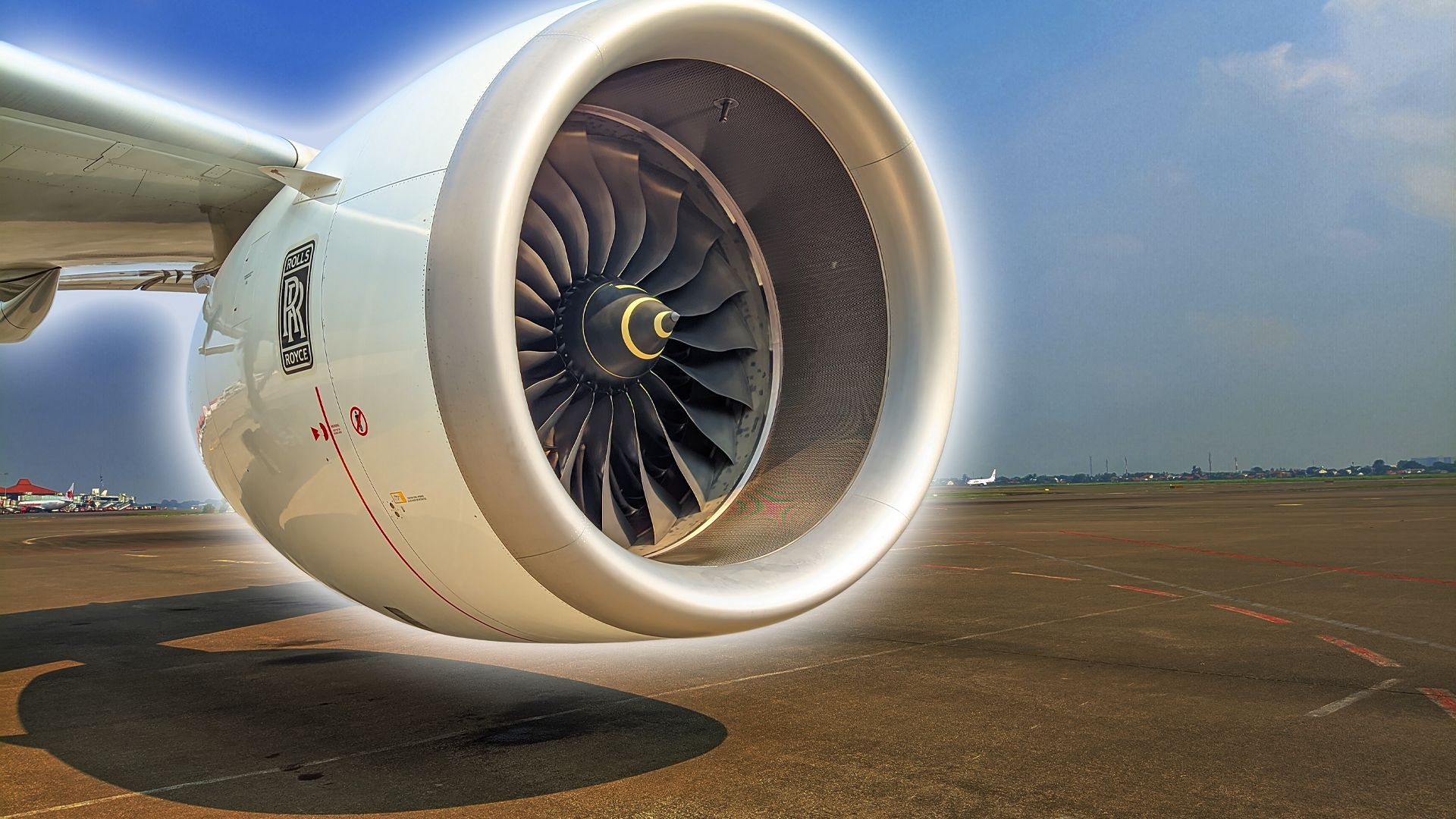
The Rolls-Royce Trent 7000, powering the Airbus A330neo, has established itself as a leader in the widebody engine market since its introduction. This engine stands out for its remarkable reliability, enhanced performance, and commitment to sustainability. With a global service network and tailored support packages, the Trent 7000 offers airlines an unmatched combination of efficiency and environmental responsibility.
Design and Technology Evolution
The Trent 7000 draws its design lineage from the Trent XWB core and the Trent 1000’s ten-stage intermediate compressor, embracing a three-shaft architecture. This innovative design allows for optimized performance at each compressor stage, reducing mechanical stress and enhancing efficiency. Launched at the Farnborough International Airshow in July 2014, the engine completed its first test run in November 2015 and gained EASA certification by July 2018.
With a bypass ratio of 10:1 and an overall pressure ratio of 50:1, the Trent 7000 delivers significant improvements, including a 14% reduction in fuel burn per seat compared to its predecessor. The engine’s new 112-inch hollow titanium fan, combined with advanced aerodynamic blade designs, contributes to its impressive performance. Since its first flight in October 2017, the Trent 7000 has logged millions of flying hours, supporting the A330neo’s position as one of the best-selling widebody aircraft.
Competitive Landscape and Key Features
The market share for widebody engines currently stands at 55% for General Electric (including CFM), 26% for Pratt & Whitney, and 18% for Rolls-Royce. Against this backdrop, the Trent 7000 competes on several critical fronts:
– **Three-Shaft vs. Two-Shaft Designs**: The Trent 7000’s three-shaft layout allows for independent operation of each compressor stage, optimizing efficiency, while competitors like the GE GEnx utilize a two-shaft design that can compromise flexibility.
– **Fuel Efficiency and Noise Reduction**: Compared to the older Trent 700, the Trent 7000 reduces specific fuel consumption by about 11% and halves noise output, achieving a 6 dB reduction in take-off and approach levels. The engine matches or surpasses the performance of two-shaft rivals in terms of quieter operation.
– **Dispatch Reliability**: Since entering service, Rolls-Royce has reported a dispatch reliability rate of approximately 99.9% for the Trent 7000. This figure reflects a significant improvement over legacy models, aided by advanced health-monitoring analytics.
– **Support Packages**: The Rolls-Royce TotalCare program combines maintenance, spares, and health monitoring under a fixed-cost contract, leveraging sensor data to predict maintenance needs. This approach enhances operational efficiency and minimizes disruptions.
The Trent 7000 is designed for the Airbus A330neo, offering a thrust range of 68,000 to 72,000 lbf (302 to 320 kN) while also being compatible with up to 50% sustainable aviation fuel (SAF). Notable features include hollow titanium fan blades and advanced turbine cooling systems.
Real-World Performance and Future Outlook
Since its introduction in late 2018, the Trent 7000 has exceeded expectations, logging over 1 million flight hours by mid-2024. Despite facing initial scrutiny regarding maintenance intervals and availability, Rolls-Royce has addressed these concerns, reporting zero in-flight disruptions and a significant reduction in maintenance working hours compared to the Trent 700.
The introduction of a Durability Enhancement Package in August 2022 has doubled blade life and further extended on-wing intervals. A second upgrade is anticipated to enhance durability by an additional 30%.
Airlines utilizing the Trent 7000, such as Vietjet Air and Cathay Pacific, benefit from the TotalCare program. This service transforms maintenance from a cost center into a strategic advantage, allowing airlines to maintain over 99.9% dispatch reliability even with increased flight hours.
Looking ahead, Rolls-Royce continues to invest over £1 billion in enhancements for the Trent family. The upcoming UltraFan technology aims to further boost thermal efficiency and emissions reduction, ensuring the Trent 7000 remains a critical asset as the aviation industry evolves.
In summary, the Trent 7000 represents a blend of proven performance, cutting-edge technology, and ongoing innovation, positioning it as a benchmark for reliability in the widebody engine sector.