President Donald Trump has expressed concerns regarding Netflix’s recent acquisition of Warner Bros Discovery’s television and film studios, valued at approximately $83 billion. The merger, which would create a streaming entity commanding about 30 percent of the US streaming market, has raised potential antitrust issues that regulators may scrutinize.
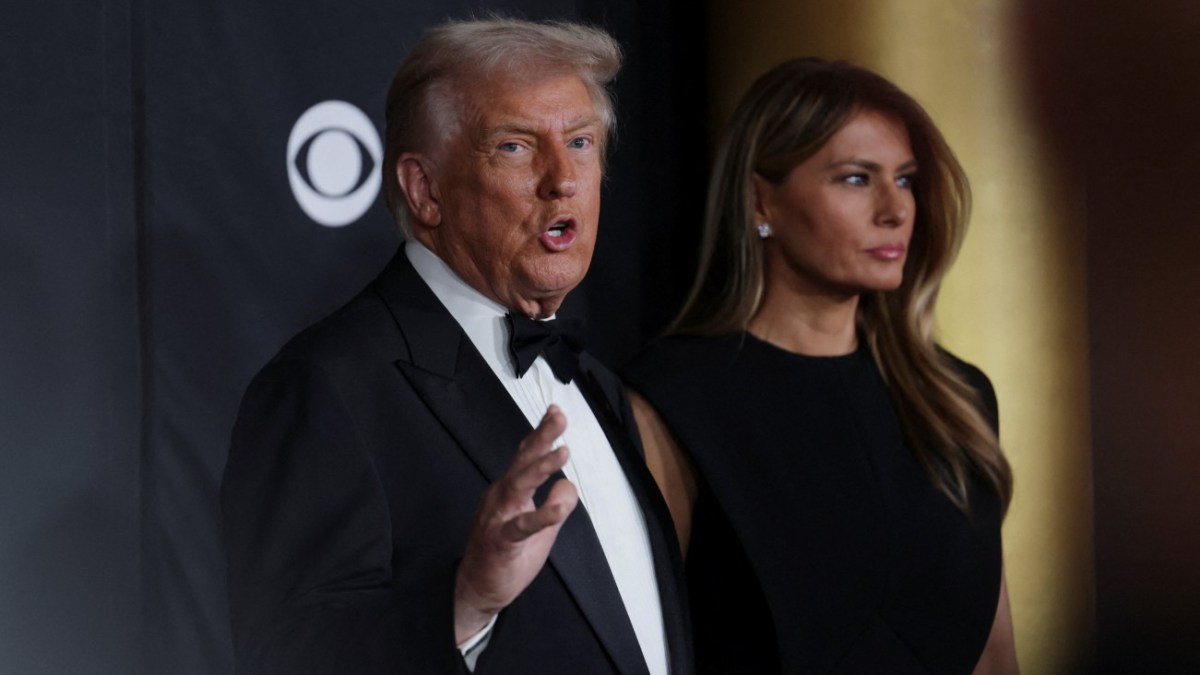
During a recent meeting with Ted Sarandos, Netflix’s co-chief executive, Trump emphasized the significance of the combined market share. He stated, “We’ll see what happens. But it is a big market share. It could be a problem.” This statement highlights the ongoing debate surrounding market concentration in the streaming industry.
As the merger progresses, Netflix is advocating for a broader perspective from regulators. The company argues that it competes not only with traditional streaming platforms like Disney+, Max, and Prime Video, but also with a variety of other entertainment options, including YouTube, TikTok, broadcast television, and video games. This wider competitive landscape is crucial in understanding the implications of the merger.
The antitrust conversation surrounding this deal is not isolated. The rapid expansion of streaming services has prompted regulatory bodies to closely monitor market dynamics. Analysts suggest that the outcome of this merger could set a precedent for future acquisitions within the entertainment sector.
As the situation develops, industry observers will be watching closely to see how regulatory authorities respond to the potential challenges posed by the merger. The outcome could significantly impact the competitive landscape of streaming services in the United States and beyond.