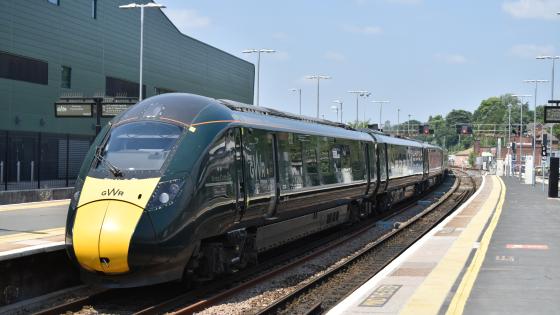
The ongoing issues with the Intercity Express Programme (IEP) have raised significant concerns regarding the reliability of train services across the UK. The latest failures of the Hitachi Class 800/802 bi-mode fleets operated by Great Western Railway have prompted calls for a thorough examination of maintenance practices and overall service quality. These concerns come in light of the recent Golden Spanner awards, which took place on November 21, 2025, and celebrated the hard work of train maintenance teams who maintain the most reliable train fleets.
The Golden Spanner awards highlight the achievements of those dedicated teams who strive to enhance reliability within the rail network. This year, awards were presented to various teams for their exceptional efforts, particularly the maintenance teams responsible for the 36×5-car ‘800/0s’ fleets, who received a Silver Spanner for their improvements over the past year. Recognizing excellence in maintenance is essential, but it also raises questions about the performance of fleets that have struggled with reliability issues.
The saga of the IEP, which began with an ambitious specification, has not been smooth. Despite the accolades received by some maintenance teams, the persistent problems within the IEP fleet are impacting services and punctuality. Many passengers have reported frustrations with delays and cancellations, leading to a demand for transparency regarding the root causes of these failures.
The maintenance teams deserve recognition for their hard work and dedication, often operating under challenging conditions to ensure trains remain operational. However, the contrasting issues experienced with the IEP fleets cannot be overlooked. The railway sector has a duty to address these challenges, ensuring that all passengers can rely on timely services.
As the rail industry moves forward, it is crucial that stakeholders engage in a comprehensive review of the IEP’s performance. This includes evaluating the specifications set at the outset of the programme and determining whether they align with the realities of operational capabilities. The recent awards ceremony serves as a reminder of the need for excellence in all areas of train maintenance, not just the most visible successes.
In light of these concerns, the rail community must focus on finding solutions to improve reliability across the board. Addressing the issues with the IEP will require collaboration among various stakeholders, including train manufacturers, operators, and maintenance teams. The commitment to transparency and accountability will be vital in restoring public confidence in the rail services.
As the January 2026 issue approaches, it is time to reflect not only on the achievements but also on the challenges that persist in the railway system. The ongoing dialogue regarding the IEP’s failures is necessary to ensure that the hard work of dedicated maintenance teams translates into a reliable and efficient service for all passengers.