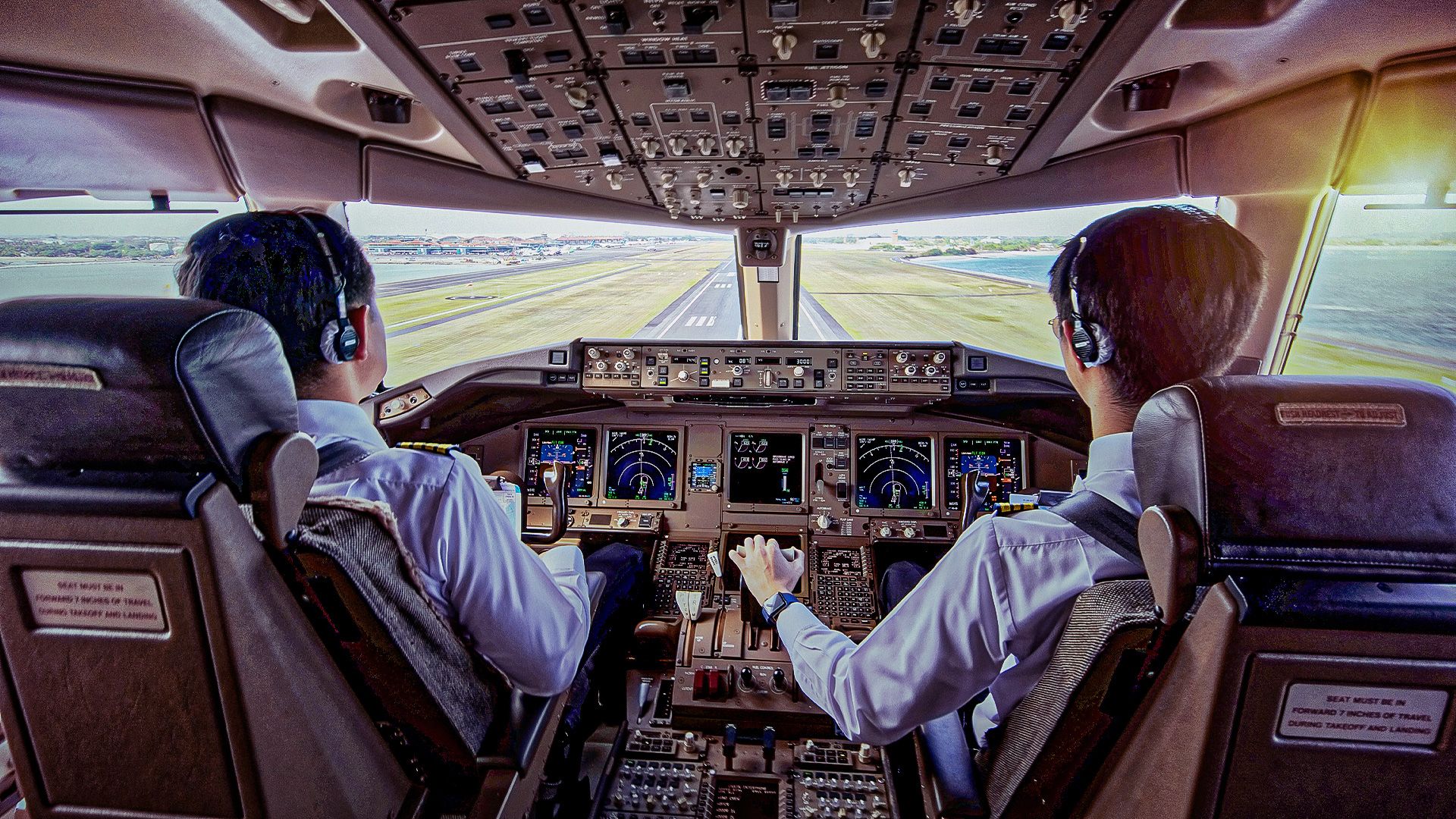
The aviation industry is currently witnessing a remarkable surge in salaries for widebody pilots, driven by an acute shortage of qualified personnel and escalating demand for air travel. Senior pilots at major U.S. carriers like Delta Air Lines, United Airlines, and American Airlines can earn between $350,000 and over $500,000 annually. This significant compensation reflects the complexities and responsibilities associated with operating long-haul flights, which connect continents and transport hundreds of lives.
The financial landscape for widebody pilots has shifted dramatically in recent years, particularly in the wake of the pandemic. Contract negotiations have led to historic pay increases, with major airlines raising pilot salaries by as much as 40% to address a chronic shortage of long-haul crew. Entry-level regional pilots might earn around $90,000, but those transitioning to a widebody fleet can expect their income to double almost overnight.
Understanding Pilot Compensation Structures
Calculating a widebody pilot’s salary is more intricate than a standard annual wage. Pilots are primarily compensated based on “block time,” which measures the duration from when an aircraft’s brakes are released at the departure gate until they are set again at the destination. This means that pre-flight briefings and waiting periods are not included in their pay.
Several factors influence a pilot’s earnings, including seniority, the complexity of the aircraft, and additional compensation known as “soft pay.” Seniority plays a crucial role, determining the routes a pilot can fly and the hourly rates they receive. For instance, a captain piloting a Boeing 777-300ER typically earns a higher hourly wage than one flying a Boeing 767, despite having the same years of service.
Soft pay, which includes per diem allowances and international overrides, can significantly enhance a pilot’s earnings. For example, a senior captain flying internationally might earn an additional $10.00 per hour in overrides, along with a per diem of $3.30 for each hour away from their home base. This can translate to an extra $2,500 to $4,000 per month, depending on their schedule.
The Competitive Landscape for Pilots
The demand for qualified widebody pilots has escalated to the point where their pay has transitioned from being a cost center to a strategic priority for airlines. Analysts and industry experts, including those at the Bureau of Labor Statistics and consultancy firm Oliver Wyman, emphasize that while median pilot wages remain high, the competition for top-tier widebody positions is particularly fierce. A shortfall of 24,000 pilots is anticipated by the end of the year, prompting airlines to offer lucrative contracts to retain experienced personnel.
Recent earnings calls revealed that United Airlines has committed to a record-breaking $10 billion pilot contract to secure staffing levels and minimize disruptions. Similarly, Delta Air Lines has implemented a $1.3 billion profit payout directed at retaining widebody captains through enhanced profit-sharing formulas. This environment of aggressive retention strategies underscores the importance of experienced pilots, particularly as the number of qualified individuals dwindles.
While the financial rewards for widebody pilots are substantial, they often come with trade-offs. Many senior pilots opt to remain within narrowbody aircraft like the Boeing 737 or Airbus A320, which, although paying 15% to 20% less, offer more favorable work-life balance through shorter domestic routes. The cargo sector also presents competitive salaries, with some pilots preferring the predictability and reduced passenger interaction it offers, even if the hours can be challenging.
The current pay structures reflect a significant shift in the industry, with senior widebody captains increasingly positioned as valuable assets. This change has been driven by both high passenger demand and the impending retirement of experienced pilots, necessitating a focus on retention and recruitment.
The Path to Becoming a Widebody Pilot
Despite the attractive salary figures, the journey to securing a widebody captain’s position is lengthy and costly. Pilots typically invest around $120,000 in training, often accumulating significant debt in the early years of their careers. It generally takes between 10 to 15 years of experience at a major carrier to achieve a widebody command, making financial planning crucial.
Furthermore, a pilot’s income is contingent on maintaining their class one medical certificate. Any disqualifying condition could result in an immediate loss of income, highlighting the importance of specialized insurance to mitigate this risk. Economic fluctuations and geopolitical tensions can also impact widebody routes, forcing pilots to down-bid onto smaller aircraft and experience a pay cut of 20% to 30%.
As the industry continues to evolve, the record salaries for widebody pilots may stabilize as airlines reach their desired staffing levels. While the financial rewards have never been higher, they are earned through years of dedication, training, and commitment to maintaining rigorous safety standards.
For aspiring aviators and industry observers alike, the current landscape offers insights into the realities of pilot compensation. The widebody flight deck remains one of the most lucrative sectors in aviation. The future will likely depend not only on salary adjustments but also on the quality of life and working conditions that can attract and retain top talent in this field.