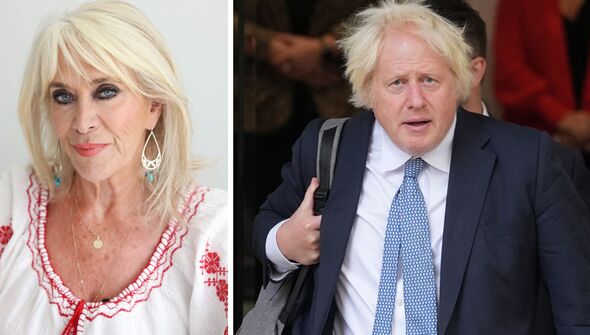
URGENT UPDATE: The highly anticipated £200 million Covid inquiry in the UK is under fire for failing to deliver actionable solutions and instead focusing on criticism of former Prime Minister Boris Johnson. As the inquiry unfolds, it has been labeled a “Boris-bashing exercise” rather than a thorough examination of pandemic response strategies.
The inquiry, led by Lady Hallett, has been accused of not addressing two fundamental questions: Did lockdowns save lives, and how can we better respond to future pandemics? Critics assert that, despite the significant expenditure, the inquiry has not provided the clarity the public and officials desperately need.
In recent statements, Johnson has faced allegations of contributing to 23,000 deaths by delaying action during the early stages of the pandemic. As the inquiry progresses, many experts argue that the response was chaotic but unprecedented, mirroring global turmoil during the crisis.
The inquiry’s findings suggest that lockdown measures should have been enforced with greater intensity and speed, raising concerns among public health experts. Critics argue that this recommendation fails to acknowledge the overwhelming evidence against the efficacy of lockdowns in controlling airborne viruses.
During the pandemic, 93% of the British public supported the initial lockdown, with 85% backing the second. However, as the country grapples with the economic fallout and changing work habits, many are questioning the long-term impacts of such policies. The shift towards remote work has left a significant mark on productivity and the nation’s work ethic, with many opting for a lifestyle funded by benefits rather than returning to traditional employment.
The inquiry’s focus on past decisions rather than future preparedness has left many feeling frustrated. As the UK braces for potential future pandemics, the lack of clear guidance raises urgent questions about leadership and readiness.
Officials have stated that this inquiry was meant to uncover lessons learned, but as it stands, it appears to reinforce blame rather than facilitate actionable insights. The public is left wondering what measures will be implemented to prevent a repeat of past mistakes.
As criticisms mount, the inquiry’s effectiveness is being called into question. With a staggering budget of £200 million, the expectations for meaningful outcomes are high. Yet, the narrative continues to revolve around political accountability rather than a proactive approach to public health crises.
This developing story highlights the urgent need for a reevaluation of how inquiries are conducted and what outcomes they should prioritize. The public awaits clear, definitive answers—answers that could potentially save lives in the future.
Stay tuned for more breaking updates as this story evolves, and the implications for future pandemic responses become clearer. This inquiry is not just about the past; it’s about safeguarding our future.