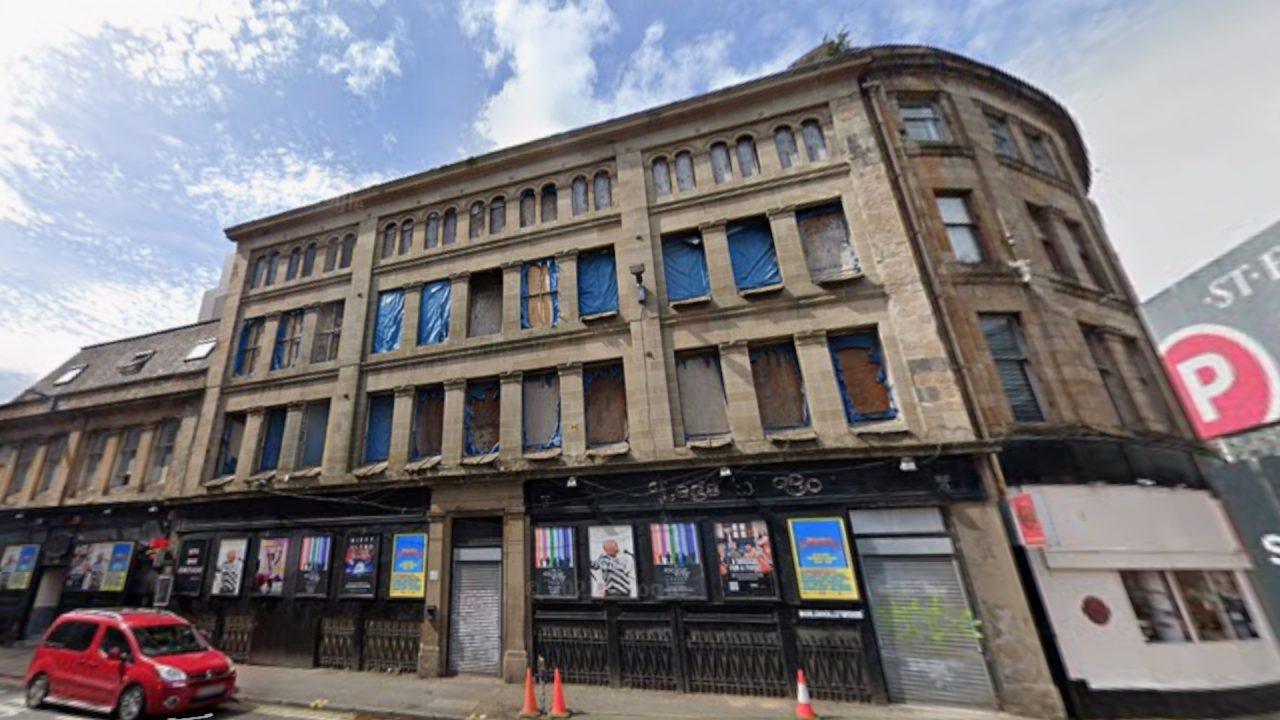
BREAKING: Plans for a transformative £45 million Radisson hotel in Glasgow have been refused by local authorities following intense debate. The proposed hotel, which aimed to revitalize a derelict site on Maxwell Street, would have marked the first Radisson Apart Hotel in the UK, featuring 236 rooms and creating 230 construction jobs alongside 75 permanent positions.
The planning committee convened earlier today, where fierce discussions took place regarding the impact of demolishing historic structures, including the B-listed former print works. Despite the building being on the market for over 18 months at just £1, no other offers were made, leading to a sense of urgency among supporters who believe this development is crucial for the area.
During the meeting, Jay Singh from Regent Property emphasized the challenges faced, stating, “These buildings were on the market for over 18 months at a price point of £1 but nobody came forward.” This sentiment highlights the struggle Glasgow faces with aging infrastructure and the need for revitalization.
However, the proposal faced significant opposition from residents and councillors concerned about the size and scale of the planned 19-storey hotel. Chair of the planning committee, Ken Andrew, expressed his struggle with the decision, noting, “I have lots of sympathy with both sides of this argument. I hate to see listed buildings coming down.”
While critics highlighted the potential loss of historical properties, supporters argued that the hotel would enhance safety and draw tourism to an area currently troubled by anti-social behavior. Councillor Imran Alam pointed out the city’s pressing need for more hotel rooms, stating, “We don’t want buildings to lie derelict. Denying developers the chance to invest in the city is a lost opportunity.”
The refusal has left stakeholders questioning the future of the site, as chartered surveyor Dr. John Boyle noted there are “no other developers waiting in the wings” for this project. The decision reflects ongoing tensions between preserving historical architecture and fostering economic development in Glasgow.
Officials confirmed that this refusal is a pivotal moment for urban planning in the city, raising questions about the balance between heritage and modern needs. The community is now left to grapple with the implications of this decision as discussions continue around potential future developments.
Stay tuned for updates as this story unfolds and the impact on Glasgow’s urban landscape becomes clearer.